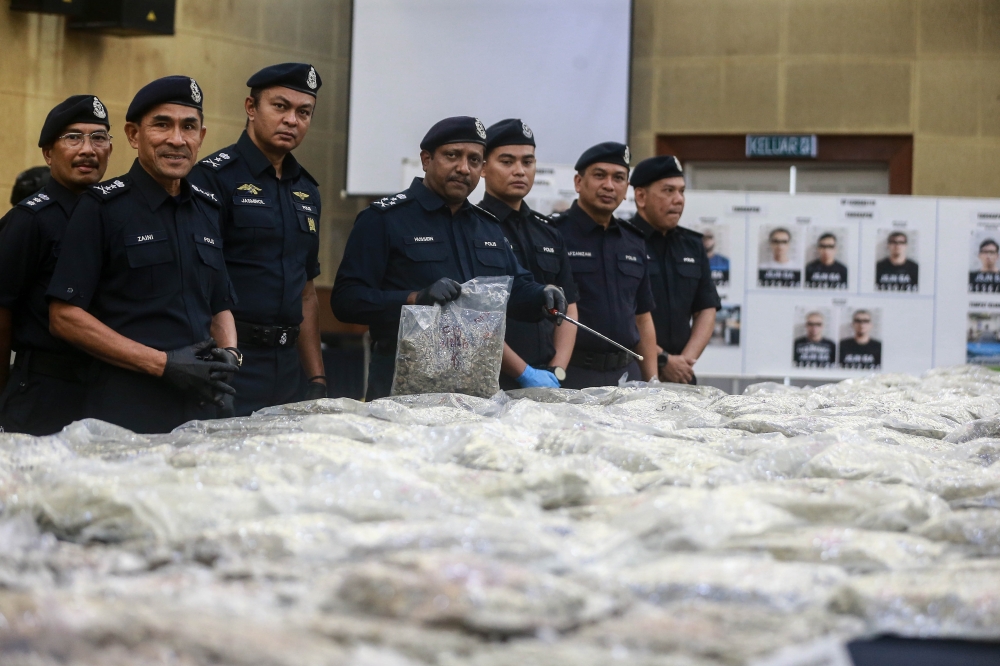
Malaysian law enforcement authorities have raised fresh alarm over the extent of narcotics trafficking networks operating through Kuala Lumpur International Airport, revealing that 14 nationals have been detained abroad for alleged drug smuggling offences since January. The disclosures underscore the persistent vulnerability of Malaysia's premier aviation hub to international drug syndicates that exploit the country as a transit point for moving contraband across borders.
The figures, released by police during a briefing in Shah Alam, highlight a troubling pattern in which Malaysian citizens are being recruited or coerced into participating in transnational drug operations. Rather than remaining passive conduits, some nationals are themselves being arrested in destination countries, where they face prosecution under the laws of their apprehending nations. This trend suggests that criminal networks view Malaysia as both a source of operatives and a convenient logistics base for redistributing narcotics across Asia-Pacific supply chains.
The involvement of KLIA as a hub for such operations reflects broader challenges facing aviation security across Southeast Asia. Airports in the region, despite technological improvements and heightened screening procedures, remain attractive targets for trafficking organisations seeking to move large quantities of drugs with minimal detection. The airport's status as a major international transit centre, coupled with the sheer volume of passenger and cargo movements, creates inherent vulnerabilities that criminals continue to exploit.
Authorities have identified various modus operandi employed by these networks. Traffickers often utilise body carriers—individuals who ingest drug-filled capsules or conceal packages within luggage—to transport contraband through airport checkpoints. In other cases, corrupt airport personnel or ground handlers may be implicated in allowing drugs to pass through security screening. The sophistication of these operations suggests involvement by organised crime groups with significant resources and established international logistics infrastructure.
The international dimension of these arrests carries important implications for Malaysia's reputation and diplomatic standing. When Malaysian citizens are arrested abroad for drug trafficking, it contributes to perceptions that the nation is a source of criminal exports rather than merely a transit country. This can strain bilateral relationships with partner nations and complicate extradition proceedings or judicial cooperation on criminal matters. Southeast Asian neighbours increasingly scrutinise one another's effectiveness in combating transnational crime, with performance metrics influencing investment decisions and tourism flows.
The police disclosure also reflects concerns among Malaysian law enforcement about recruitment patterns within the country. Many arrested nationals are reportedly unaware of the full gravity of their involvement or have been deceived about the contents of packages they were asked to transport. Financial desperation, familial pressure, or threats against loved ones often coerce individuals into participation. Understanding these vulnerability factors is essential for developing targeted prevention programmes and supporting at-risk communities.
Countries where Malaysian nationals have been arrested for these offences have implemented stern enforcement responses. Penalties in foreign jurisdictions frequently exceed those available under Malaysian law, exposing Malaysians to lengthy imprisonment in foreign penal systems where access to consular assistance and family support may be limited. These severe consequences underscore the risks undertaken by individuals who agree to participate in trafficking schemes, often for modest financial remuneration.
Coordinated response mechanisms between Malaysian authorities and international law enforcement partners have intensified, though gaps remain in information sharing and investigation protocols. Interpol channels and bilateral cooperation agreements facilitate tracking of suspected traffickers, yet resource constraints and jurisdictional complexities sometimes limit the effectiveness of coordinated operations. Enhanced intelligence gathering at KLIA, coupled with improved information exchange with foreign counterparts, could strengthen detection capabilities.
The situation also raises questions about adequacy of preventive education and public awareness campaigns targeting potential recruits for trafficking networks. Young Malaysians, particularly those facing economic hardship or limited employment prospects, may be targeted by criminal networks offering seemingly lucrative opportunities. Expanding vocational training, employment support, and community outreach programmes could reduce vulnerability to trafficking recruitment efforts.
Airport authorities have implemented additional screening measures, including advanced baggage scanning technology and enhanced profiling of high-risk passengers, yet determined traffickers continue adapting their tactics. The cat-and-mouse dynamic between enforcement and criminal innovation requires sustained investment in technology, personnel training, and inter-agency coordination to maintain effective border security.
The 14 arrests documented since January represent only identified cases where investigations have progressed to the point of formal charges in foreign jurisdictions. The actual number of Malaysians involved in drug trafficking operations may be significantly higher, with many remaining undetected or facing charges that have not yet been publicly disclosed. This hidden dimension of the problem suggests that surface-level statistics underestimate the true scale of trafficking involvement.

