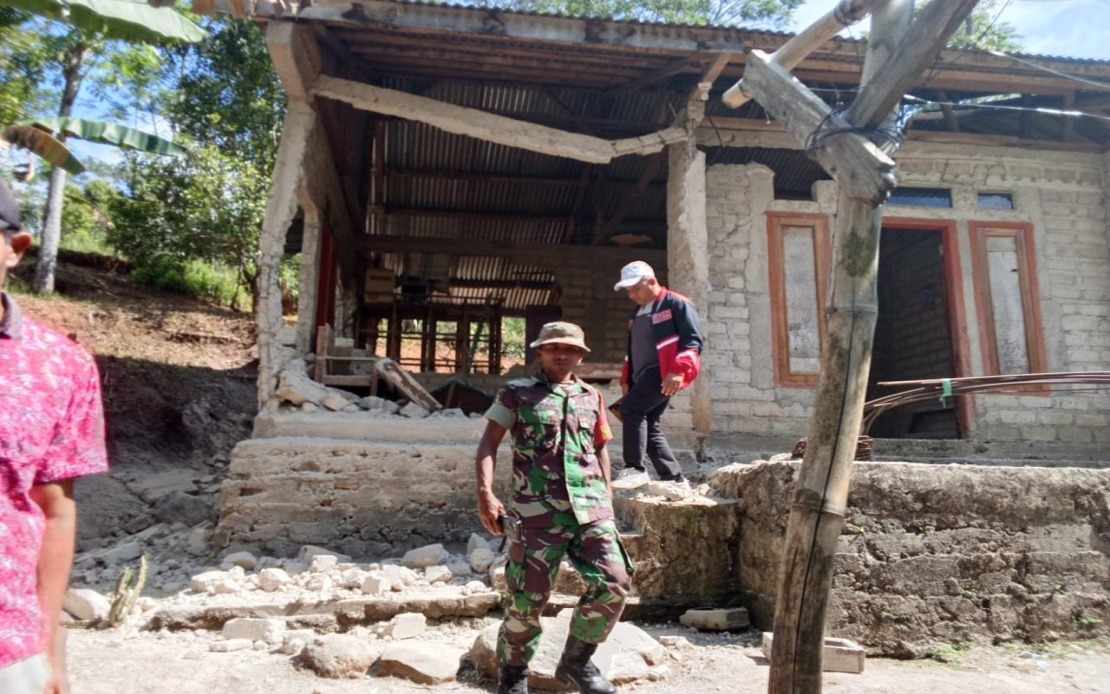
The Malaysian government has provided reassurance following a powerful earthquake that struck Flores Island in Indonesia's East Nusa Tenggara province early Saturday morning. The tremor, measuring 7.7 on the magnitude scale, occurred at 4.58 am local time in a region northeast of Mbay in Nagekeo Regency, but fortunately caused no harm to Malaysian nationals in the vicinity. According to statements from the Foreign Ministry, all 16 Malaysian tourists known to have been in affected areas have been accounted for and confirmed to be in good health.
The Malaysian Embassy in Jakarta moved swiftly to establish contact with nationals following the earthquake, underscoring the diplomatic mission's readiness to respond to emergencies affecting its citizens abroad. Through coordinated efforts with local Indonesian authorities, the embassy successfully located and verified the safety status of the tourist group within hours of the seismic event. This proactive engagement reflects standard consular protocols that prioritize citizen welfare during natural disasters in neighbouring countries.
The earthquake's location in East Nusa Tenggara, one of Indonesia's eastern provinces, places it in a tectonically active zone where seismic activity is relatively common. Flores Island sits along major fault lines and is frequently subjected to tremors of varying intensities as the region experiences complex geological interactions. A magnitude 7.7 earthquake represents a significant seismic event capable of causing substantial damage to infrastructure and settlements, making the swift confirmation of tourist safety particularly important for reassuring both travellers and their families back home.
The Foreign Ministry has emphasized that it has detected no reports of Malaysian casualties or injuries stemming from the earthquake. This absence of negative reports stands in contrast to the potential risks posed by such a powerful natural disaster. The ministry's statement carries particular weight given that it was based on direct communication with the confirmed group of tourists and ongoing coordination with local authorities who would typically report major incidents involving foreign nationals.
Beyond the immediate safety confirmation, Malaysia's Foreign Ministry has advised all Malaysians residing in or visiting the affected regions to remain alert and exercise heightened caution. Residents and travellers have been instructed to follow all safety guidance issued by Indonesian local authorities, recognizing that earthquake-prone areas often remain at risk for aftershocks and secondary hazards. This measured advisory approach balances the need to keep citizens informed without unnecessarily alarming the broader Malaysian community in Indonesia.
The embassy has intensified its coordination with relevant Indonesian authorities to conduct thorough assessments of the safety and security situation in earthquake-affected zones. This ongoing liaison ensures that Malaysia maintains current information about conditions on the ground and can respond rapidly should additional Malaysian nationals require assistance. Such inter-agency cooperation between diplomatic missions and host country authorities represents standard practice in crisis management and reflects the depth of bilateral relations between Malaysia and Indonesia.
Malaysian authorities have taken the opportunity to remind citizens of the importance of maintaining updated contact information through the government's e-Konsular portal. This digital platform serves as a critical tool for the Foreign Ministry to communicate with and locate nationals during emergencies, enabling faster response times and more effective consular assistance. Citizens who have not yet registered their details through the portal are being encouraged to do so, particularly those planning extended stays or frequent travel to Indonesia and other earthquake-prone regions.
For Malaysians requiring immediate consular support or facing genuine emergencies while in Indonesia, the Malaysian Embassy in Jakarta has publicized multiple channels for assistance. The embassy's emergency hotline at +6281380813036 and email address [email protected] remain staffed to handle urgent requests for help, including medical emergencies, evacuation, or legal assistance. The availability of these 24-hour contact points underscores the ministry's commitment to protecting its citizens regardless of where they may find themselves.
The incident highlights the ongoing importance of disaster preparedness for Malaysian travellers heading to earthquake-prone regions. While Indonesia's tourism infrastructure continues to attract substantial Malaysian visitor traffic, travellers should remain informed about seismic risks and familiarize themselves with emergency procedures and local safety protocols. Travel insurance covering natural disasters and emergency evacuation has become increasingly relevant for those visiting tectonically active areas throughout Southeast Asia and the wider region.
The Foreign Ministry has pledged to maintain close monitoring of the evolving situation and to provide updated information should circumstances change or new developments emerge affecting Malaysian citizens. This commitment to transparency and regular communication reflects international best practices in consular affairs during natural disasters. The ministry's proactive stance in this instance demonstrates Malaysia's capacity to respond effectively to crises affecting its nationals abroad, providing confidence to both the travelling public and those with family members in affected regions.

