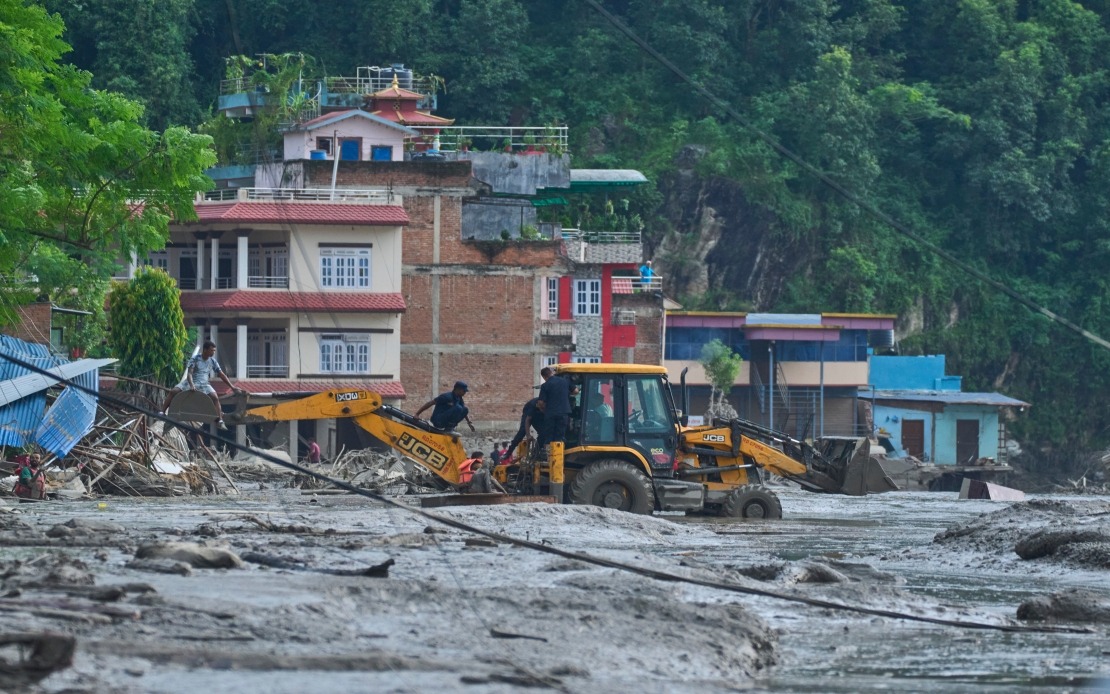
Seventeen Malaysian nationals are among hundreds of people missing after a catastrophic flash flood devastated Nepal's Rasuwa district on Wednesday morning, Nepal's tourism board revealed. The disaster, triggered by swelling of the Bhote Koshi river, has left search and rescue operations in full swing across the affected region as authorities race against time to locate survivors and account for all those caught in the path of the deluge.
According to statements released by Nepal's tourism authority, the Malaysian tourists who remain unaccounted for were travelling under the arrangements of Fishtail Tours and Travels, a tour operator based in the country. The widespread nature of the tourist group's dispersal across the flood-affected area has complicated initial rescue efforts, with communications networks severely disrupted by the disaster. Nepalese authorities have indicated that locating and establishing contact with all affected travellers remains a significant challenge given the scale of destruction across the region.
The overall toll of those missing is staggering. As of afternoon updates on Wednesday, at least 291 foreign nationals and 93 Nepalese citizens had lost contact with authorities, with police and local tour operators engaged in a coordinated effort to reach them. The figure underscores the magnitude of the disaster and the international dimension of the crisis, as tourists from multiple countries were in the region at the time of the flooding.
Malaysia's Foreign Ministry, responding swiftly to the emergency, initially reported that 11 Malaysian nationals believed to be in Rasuwa district had lost contact following the deluge. The Malaysian Embassy in Kathmandu moved immediately into crisis management mode, actively liaising with local Nepalese authorities and coordinating information flows back to Kuala Lumpur. Officials emphasised that search and rescue teams being deployed by the Nepalese government were working methodically to locate the affected Malaysians and confirm their status.
The flood's destructive path has been indiscriminate and severe. The surging Bhote Koshi river swept through multiple villages in the Rasuwagadhi-Timure area, obliterating infrastructure and leaving a trail of devastation. Roads have been rendered impassable, buildings flattened, and even hydropower projects—critical infrastructure for the region—have been damaged or destroyed by the force of the floodwaters. The geographic remoteness of many affected areas has further hindered rapid deployment of rescue personnel and access to survivors.
Indian nationals comprise another substantial portion of the missing, with 142 Indian citizens reported unaccounted for, including 37 living abroad who were likely visiting relatives or touring. Citizens from Britain, South Africa, and the United States are also among those who have lost contact with the outside world, indicating that tourists from at least six countries were caught in the disaster. This international scope has prompted coordinated diplomatic responses and multinational rescue coordination efforts.
For Malaysian travellers and their families, the incident serves as a sobering reminder of the natural hazards present in mountainous regions of South Asia, particularly during monsoon seasons when flash flooding becomes more prevalent. Nepal's geography—with steep terrain and river systems prone to rapid water level changes—creates conditions where sudden floods can develop with little warning. Tour operators and travel agencies across Southeast Asia have historically emphasised the importance of seasonal awareness and contingency planning for adventure tourism in such regions.
The implications for Malaysia's tourism industry are also noteworthy. While incidents of this magnitude are statistically rare, the involvement of Malaysian tourists and a Malaysian tour operator raises questions about safety protocols, pre-departure briefing materials, and emergency response procedures. Families back in Malaysia are undoubtedly anxious for updates, and the Malaysian government's swift diplomatic engagement demonstrates the importance it places on protecting nationals abroad during emergencies.
Searches are expected to continue through the coming days as weather conditions permit and accessibility improves. Nepalese rescue teams, often experienced in managing monsoon-related disasters, have been mobilised extensively. The challenge of locating individuals scattered across a wide geographical area, potentially injured or sheltering in remote locations, will test the capabilities and coordination of all agencies involved. Local communities in the affected districts are likely assisting rescue efforts, as such cooperation has historically been crucial in previous disaster responses in Nepal.
The incident underscores the unpredictable nature of natural disasters in the Himalayan region. While Nepal's tourism sector is vital to its economy and welcomes hundreds of thousands of international visitors annually, such events remind stakeholders of the environmental risks inherent in adventure and trekking tourism. For Malaysian authorities, the situation demands ongoing vigilance in communicating with affected families, providing consular support, and gathering information about the status and whereabouts of nationals.
Beyond the immediate crisis, this event will likely prompt reviews of safety practices, emergency communication protocols, and inter-agency coordination frameworks for Malaysians travelling to Nepal and other high-risk regions. The role of tour operators in ensuring proper insurance coverage, emergency contact procedures, and real-time communication systems during crises will come under scrutiny. For Malaysian tourists considering trips to Nepal, the incident serves as a timely reminder to register with the embassy, carry adequate insurance, and stay informed about seasonal weather patterns and natural hazard risks.

