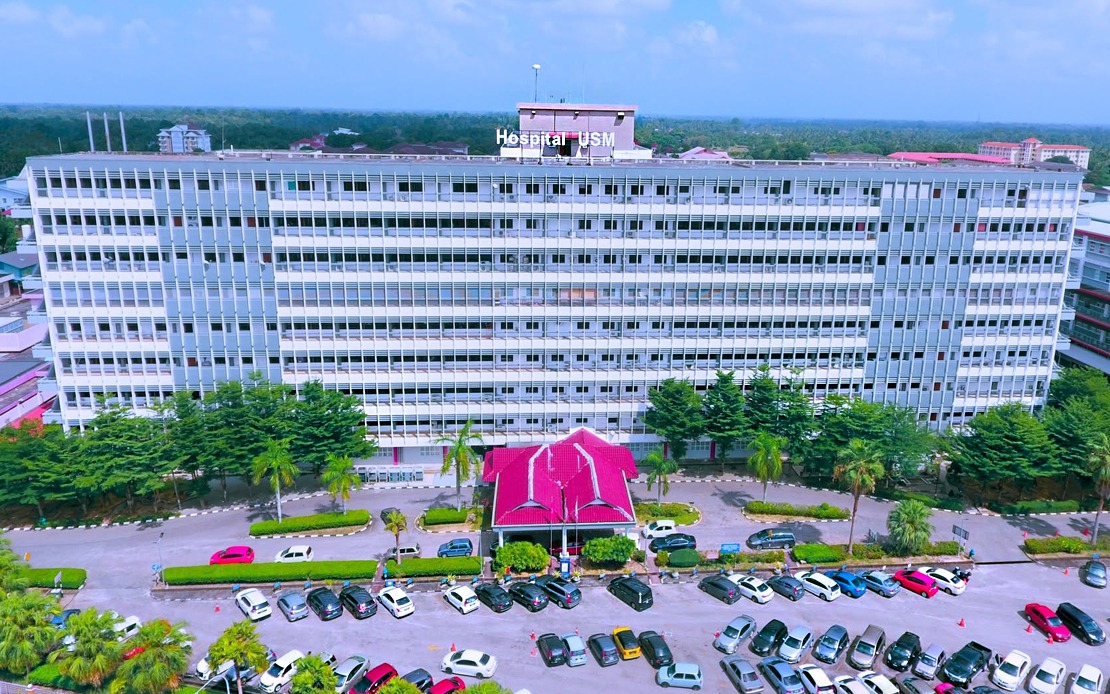
Twenty-three young patients ranging from seven to nineteen years old are receiving eye alignment surgery at Universiti Sains Malaysia Specialist Hospital (HPUSM) this week, marking a significant breakthrough in addressing one of Malaysia's most persistent healthcare bottlenecks. The surgical interventions, taking place during the second Strabismus Surgery Carnival running until August 20, represent far more than routine procedures—they address a backlog that has historically forced families to wait months or even years for corrective treatment.
HPUSM director Datuk Dr Ab Rahman Izani Ghani @ Ab Ghani emphasized the carnival's critical role in tackling waiting list delays that have long plagued ophthalmology services across the country. By concentrating specialist resources and surgical capacity over five intensive days, the hospital has managed to process cases that would ordinarily be scattered across a vastly extended timeline. This approach demonstrates how strategic scheduling and coordinated resource allocation can transform patient outcomes without requiring massive budget increases—a lesson increasingly relevant as Malaysian healthcare systems grapple with rising demand and limited surgical capacity.
The students selected for surgery were identified through HPUSM's three-year Short-sightedness and Strabismus Eye Intervention Programme, which has systematically screened schoolchildren throughout Kelantan. From approximately 300 students found to have various ocular conditions, these 23 cases were prioritized based on clinical need and readiness for surgical intervention. This targeted screening approach illustrates how preventive and early-detection programs in schools can identify problems before they become entrenched, allowing for timely intervention when treatment outcomes are typically most favorable.
Strabismus, commonly known as eye misalignment or crossed eyes, extends far beyond cosmetic concerns that some might dismiss as minor. Prof Dr Shatriah Ismail, a paediatric ophthalmology consultant at USM School of Medical Sciences, underscored how the condition undermines visual function and binocular coordination—the ability of both eyes to work together seamlessly. Children with untreated strabismus often struggle with depth perception and spatial awareness, challenges that can ripple through their educational experience and athletic development.
The psychological dimensions of living with misaligned eyes deserve particular attention, especially during formative years when peer interactions profoundly shape self-perception. Students with visible strabismus frequently report experiencing social stigma, withdrawal from classroom participation, and diminished confidence in social settings. By addressing these cases during childhood and adolescence, the surgery carnival removes barriers to normal social development and academic engagement that might otherwise accumulate into lasting disadvantage.
The funding structure behind this initiative reveals pragmatic collaboration between state religious authorities and civil society. The Kelantan Islamic Religious and Malay Customs Council (MAIK), alongside multiple non-governmental organizations, pooled resources to eliminate financial obstacles for families who might otherwise delay or forgo treatment. This partnership model, increasingly common in Malaysian healthcare, acknowledges that clinical capability alone proves insufficient without corresponding funding mechanisms that ensure equitable access regardless of family income.
The carnival format itself warrants examination as a scalable model for addressing specialist surgical backlogs. By assembling ophthalmology consultants with strabismus subspecialization, general ophthalmologists, and postgraduate training residents under one intensive schedule, HPUSM created an environment where expertise concentrates, teaching opportunities multiply, and surgical throughput increases dramatically. The same specialists ordinarily working within standard clinic schedules can process multiple cases daily when administrative friction diminishes and supporting systems align.
For Southeast Asian healthcare administrators facing similar bottlenecks in specialized surgical services, this carnival approach offers tangible lessons. Kelantan's initiative demonstrates that waiting times measured in years need not represent inevitable healthcare reality. Rather, strategic resource concentration, partnership funding, school-based screening, and coordinated surgical scheduling can compress timelines from years to weeks. The model could extend to other surgical subspecialties struggling with backlogs—orthopedic procedures, otolaryngology interventions, and other elective but clinically important operations that currently burden families with extended uncertainty.
The prevalence of strabismus across Kelantan's student population—with 300 cases identified through screening—suggests the true burden of refractive and alignment disorders remains substantially underestimated in Malaysian public health discourse. Many affected children never receive screening, particularly in rural areas where access to pediatric ophthalmology remains limited. Expanding systematic school-based screening throughout Malaysia could identify thousands of additional cases, providing advocates with epidemiological justification for increased surgical capacity and specialist training positions.
For Malaysian families awaiting eye surgery, this carnival demonstrates that reform of waiting list management remains achievable within existing institutional frameworks. Rather than accepting months-long delays as inevitable, hospitals can reorganize workflows, secure targeted funding, and implement intensive surgical schedules that dramatically improve access. The outcome extends beyond individual students receiving corrective surgery—it establishes precedent that systematic bottlenecks in specialist care warrant systematic solutions rather than resigned acceptance.
The initiative also highlights the critical role played by tertiary teaching hospitals in advancing both clinical care and medical education. HPUSM's engagement of postgraduate ophthalmology students in these surgical interventions builds the next generation of specialists while simultaneously expanding surgical capacity. This training function remains central to Malaysia's long-term capacity to address healthcare challenges, yet often receives insufficient recognition in policy discussions focused narrowly on immediate clinical throughput.
As Kelantan's strabismus carnival concludes, its lessons will extend far beyond the 23 students receiving surgical correction. The initiative demonstrates that healthcare waiting times, though seemingly immutable, respond to strategic intervention and coordinated resource deployment. For Malaysian policymakers considering how to expand specialist surgical access across an increasingly diverse population, this model offers evidence that creative scheduling, partnership funding, and institutional commitment can transform what appears intractable into achievable within remarkably compressed timeframes.

