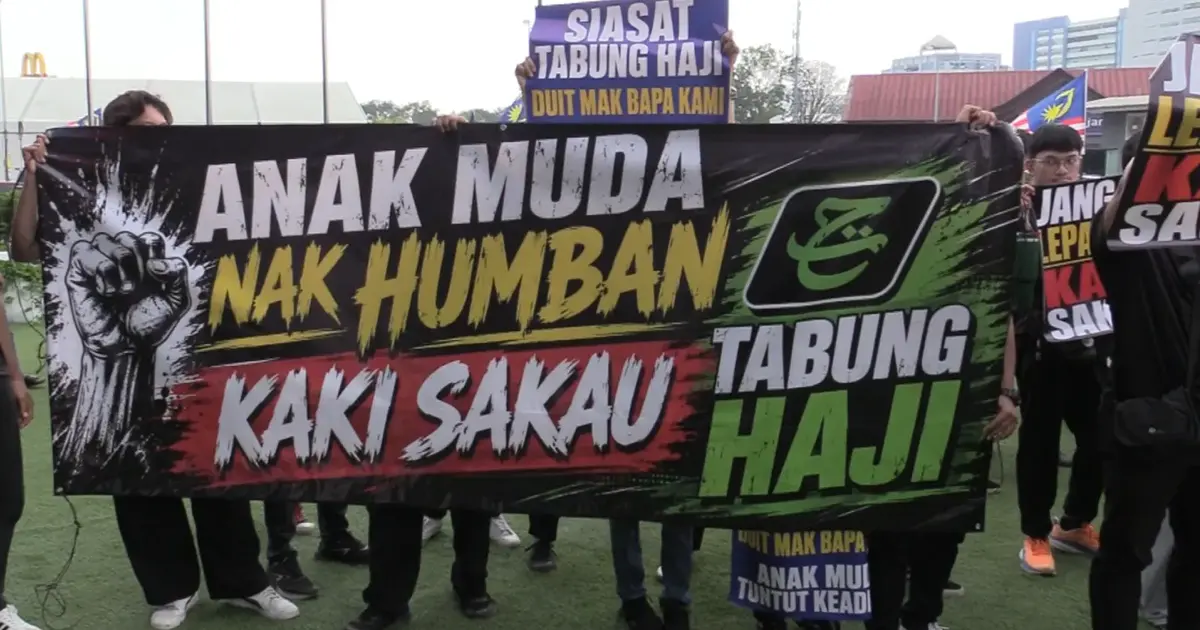
A show of grassroots pressure emerged in Melaka as approximately 250 members of PKR assembled outside a party congress, voicing their frustration over delays in investigating the Tabung Haji controversy. The gathering underscores simmering discontent within the ruling coalition over how authorities and political leadership have handled one of Southeast Asia's largest Islamic financial institutions, which manages pilgrimage savings for over three million Malaysian Muslims.
The protesters characterised the Tabung Haji matter as a pressing concern deeply embedded in the religious and cultural fabric of Malay-Muslim society. Their intervention at the party congress venue suggests that this issue extends beyond typical corporate governance debates, touching on trust and accountability in institutions specifically designed to serve the religious obligations and financial security of the Muslim community. For many Malaysians, Tabung Haji represents more than a savings scheme; it embodies the nation's commitment to facilitating the hajj pilgrimage, one of Islam's Five Pillars.
The timing of the rally reflects broader anxieties about institutional integrity. Tabung Haji has long held a special place in Malaysian public life, combining the religious significance of the hajj with financial stewardship of millions of ringgit. Any controversy affecting the institution thus carries implications far beyond typical corporate scandals, potentially shaking confidence in mechanisms designed to protect Muslim Malaysians' savings and pilgrimage plans. The presence of PKR members specifically suggests that concerns transcend partisan boundaries, though the choice to rally outside a party congress indicates a desire to lever political pressure.
Within the context of Malaysian politics, where coalition stability remains perpetually contested, this grassroots mobilisation signals potential vulnerability. PKR, as a component of the federal ruling coalition, faces pressure from its base to demonstrate responsiveness to community concerns. The Tabung Haji issue, given its cultural resonance and the scale of potential exposure affecting ordinary Muslims rather than elite business circles, carries political weight that party leaders cannot easily dismiss. Public demonstrations at internal party gatherings typically indicate that rank-and-file members feel unheard through conventional channels.
The demand for swift investigation reflects impatience with the pace of accountability mechanisms. Investigations into large institutions often proceed slowly through regulatory bodies and law enforcement agencies, but the protesters evidently believe that velocity matters. Delays in probe outcomes can compound damage to institutional reputation and extend the period during which beneficiaries experience uncertainty about their deposits and entitlements. From the perspective of pilgrimage planners, extended timelines mean postponed religious journeys and disrupted financial arrangements.
For Malaysian observers and the broader Southeast Asian region, the Tabung Haji situation carries instructive value regarding institutional accountability in Islamic financial systems. Many Muslim-majority nations across Southeast Asia operate similar pilgrimage funds and religious endowments, and developments in Malaysia's handling of institutional crises influence approaches elsewhere. The speed and thoroughness with which Malaysian authorities investigate and remediate the situation could shape regional standards for transparency and governance in faith-based financial institutions.
The political dynamics at play also merit scrutiny. PKR, representing the metropolitan multiethnic constituency that propelled Anwar Ibrahim's return to frontline politics, must balance diverse membership interests. The party's urban, more secular-leaning base coexists with rural and traditional Muslim constituencies for whom religious institutions carry enormous significance. Managing these tensions while maintaining coalition cohesion presents tactical challenges, especially when grassroots members mobilise independently over issues they perceive as inadequately addressed by leadership.
From an economic standpoint, the Tabung Haji investigation touches on broader questions of governance and fiduciary responsibility in Malaysian institutional frameworks. As the nation positions itself as a regional Islamic financial hub, confidence in the stewardship of major Islamic institutions becomes commercially and diplomatically significant. International investors and Muslim financial institutions considering Malaysian partnerships necessarily assess local governance standards and enforcement mechanisms. Institutional crises, therefore, carry reputational costs extending well beyond immediate affected populations.
The gathering also illuminates the relationship between civil society activism and formal political structures. While the protesters operated within a political party framework rather than as an independent civic movement, their action demonstrates that Malaysian citizens retain mechanisms for expressing grievance and demanding accountability. The capacity of party members to organise, even in ways that might embarrass leadership, suggests resilience in internal democratic processes, though such dynamics occasionally strain coalition relationships.
Moving forward, the question becomes whether political pressure from grassroots PKR members catalyses faster investigation and more transparent resolution. The success of this mobilisation in achieving stated objectives would likely encourage similar activism around other contentious issues within and across coalition parties. Conversely, if demands go unaddressed, we may see increasing frustration among party members and potential shifts in political allegiances. The Tabung Haji investigation thus represents more than a technical governance matter; it has become a test of responsiveness to Muslim Malaysian concerns and a bellwether for coalition stability.

