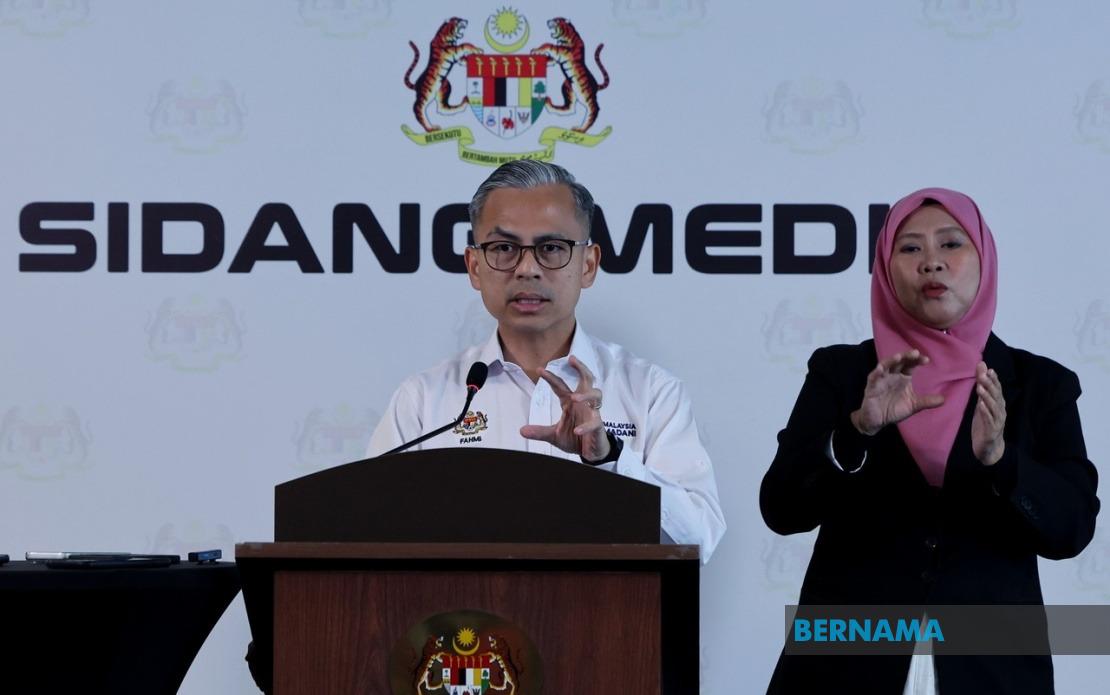
A significant number of parliamentarians are preparing to engage with one of Malaysia's most scrutinised investigations into a major financial institution. Between 35 and 40 Members of Parliament have declared their readiness to participate in a special Dewan Rakyat session dedicated to examining the Royal Commission of Inquiry findings on Lembaga Tabung Haji, Communications Minister Datuk Seri Fahmi Fadzil announced. The session is scheduled for August 11, marking a critical moment for parliamentary accountability on the controversial hajj fund's management.
The Cabinet has approved continuous proceedings without adjournments for the debate, according to Dewan Rakyat Speaker Tan Sri Johari Abdul, reflecting the gravity with which the government is treating the matter. Prime Minister Datuk Seri Anwar Ibrahim previously indicated that discussions would commence at 10 am and extend into the afternoon, allowing sufficient time for substantive examination of the RCI's conclusions. This commitment to an uninterrupted session underscores parliamentary determination to thoroughly address the report's findings in a single sitting rather than fragmenting the discussion across multiple sessions.
The Royal Commission of Inquiry report, released on July 29 through the official portal of the Department of Islamic Development Malaysia, contains damaging revelations about Tabung Haji's operational practices during a seven-year period. The investigation, which scrutinised the institution's management and operations between 2014 and 2020, uncovered a troubling pattern of problematic investment decisions that substantially eroded the fund's asset base. These findings have profound implications for approximately 1.7 million Malaysian pilgrims and their families who depend on the institution for hajj financing and savings.
A particularly alarming aspect of the RCI's conclusions involves evidence of suspicious transactions and the deliberate concealment of information within Tabung Haji's governance structures. These discoveries suggest systemic failures in oversight and transparency mechanisms that should have safeguarded public funds entrusted to the organisation. The identification of such malpractices points to institutional weaknesses that extend beyond mere financial mismanagement into the realm of potential fraud and breach of fiduciary duty, matters that demand rigorous parliamentary scrutiny and potential legislative remedies.
The commission has specifically recommended a comprehensive forensic audit of historical investment decisions that precipitated the severe deterioration in Tabung Haji's financial position. This recommendation represents an acknowledgement that standard auditing procedures may be insufficient to fully illuminate the extent of impropriety or incompetence involved in the fund's investment strategy. A forensic audit would employ investigative techniques capable of uncovering intentional misconduct, identifying responsible parties, and potentially providing evidentiary foundations for legal action or disciplinary proceedings.
The substantial parliamentary interest in the debate, as reflected in the 35 to 40 MPs signalling participation, demonstrates that this matter transcends typical partisan divisions. Members across the political spectrum recognise that Tabung Haji's troubles affect pilgrims from all communities and socioeconomic backgrounds throughout Malaysia. The broad engagement from parliamentarians suggests that the legislature intends to move beyond preliminary outrage toward constructive examination of how such failures occurred and what preventive measures must be implemented.
The decision to broadcast the special sitting live through official media channels representing the Dewan Rakyat proceedings ensures public transparency and allows Malaysian citizens to witness their elected representatives' response to findings that directly impact their financial interests. This commitment to live coverage reflects contemporary democratic expectations that serious investigations into public institutions should be subject to public observation rather than conducted behind closed doors. For many Malaysians, particularly those who have contributed to Tabung Haji or plan to undertake the hajj, direct access to parliamentary deliberation provides crucial insights into government accountability mechanisms.
The timing of the debate, just two weeks after the report's public release, indicates the government's determination to maintain momentum toward addressing institutional deficiencies. This relatively swift scheduling stands in contrast to typical bureaucratic timelines and reflects acknowledgement that public confidence in Tabung Haji requires urgent, visible action. Delay in mounting a comprehensive parliamentary response might have invited accusations of governmental reluctance to confront uncomfortable truths about how public institutions had been managed under previous administrations.
The RCI's findings represent only the investigative phase of what is likely to be an extended process of institutional reform, legal accountability, and policy development. The parliamentary debate will establish the foundation for subsequent actions, potentially including criminal investigations, civil litigation, regulatory reform, and governance restructuring at Tabung Haji itself. The questions raised by MPs during the August 11 session will likely identify gaps in the RCI report that require further investigation and clarify which specific individuals or institutional units bear responsibility for the documented failures.
For Southeast Asian observers and international stakeholders concerned with governance standards in the region, Malaysia's handling of the Tabung Haji crisis carries broader significance. The willingness to conduct a transparent investigation, publicly release findings, and subject those findings to parliamentary scrutiny demonstrates institutional mechanisms that many countries in the region lack. However, the depth of the problems uncovered also serves as a cautionary tale about the vulnerability of public institutions to mismanagement when oversight mechanisms are inadequate.
The path forward from the August 11 debate will depend substantially on the quality of parliamentary questioning and the government's demonstrated commitment to implementing remedial measures emerging from the discussion. Whether the robust participation of 35 to 40 MPs translates into sustained legislative attention and enforcement action will ultimately determine whether this RCI process represents genuine institutional reform or merely a performative response to public scandal. The coming weeks and months will test whether Malaysia's democratic institutions can transform investigative findings into meaningful accountability and systemic improvement.

