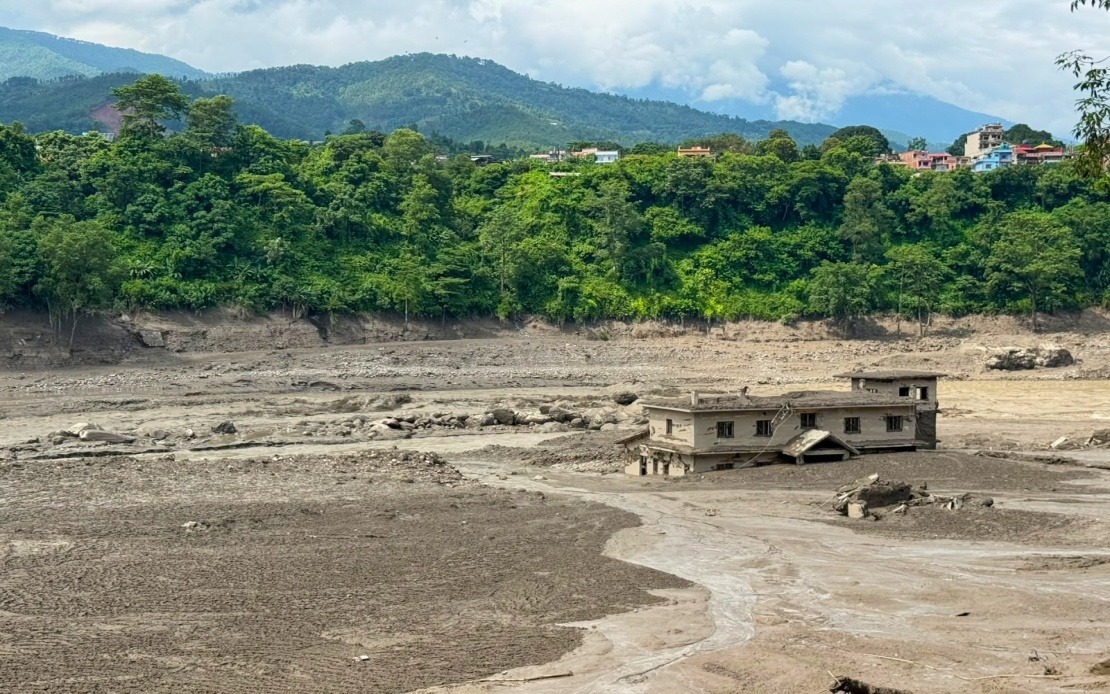
Nepal is grappling with a significant humanitarian crisis as tourism officials confirm that more than 380 tourists have gone missing in the aftermath of devastating floods that swept across the country. The Nepal Tourism Board disclosed on Wednesday that the missing include 291 foreign nationals and 93 Nepali citizens, representing one of the most serious incidents affecting tourists in the region in recent years. The scale of the disaster has prompted authorities to launch urgent verification efforts to account for all those unaccounted for.
Among the missing tourists are 17 Malaysians, making this incident particularly significant for Malaysia. The other missing visitors comprise over 100 Indian citizens, 12 Britons, four South Africans, three United States citizens, one Australian, and one Dutch national. The identities and whereabouts of an additional 111 people remain unconfirmed, complicating rescue and recovery efforts. The Nepal Tourism Board has emphasized that preliminary records are being systematically verified and cross-checked through coordination with travel agencies, professional guides, local authorities, and security agencies operating in the affected regions.
The flooding has exposed the vulnerability of Nepal's tourism infrastructure, particularly in remote trekking routes and mountainous terrain where many international visitors concentrate. Monsoon-induced floods and landslides represent recurring hazards in Nepal's geography, yet the scale of this incident suggests that preparedness measures may have been inadequate. Tourism represents a vital economic sector for Nepal, contributing substantially to foreign exchange earnings and employment, so the incident carries significant economic ramifications beyond the immediate humanitarian concerns.
For Malaysian travellers and their families, this development underscores the importance of travel insurance and registration with embassy services before undertaking trips to high-risk destinations. The Malaysian government will likely coordinate closely with Nepali authorities and the Nepal Tourism Board to ascertain the status of its nationals and facilitate their return or provide consular assistance to those in distress. The presence of 17 Malaysians among the missing reflects the popularity of Nepal as a trekking destination among Malaysian adventure tourists, particularly those seeking Himalayan experiences.
The Nepal Tourism Board's statement indicates that verification procedures are ongoing, suggesting that the final number of casualties or missing persons may change as records are consolidated. The process of cross-checking involves multiple stakeholders, each holding pieces of information about tourists who were in different locations when floods struck. This decentralized approach to verification is standard in disaster response but can be time-consuming, particularly when communication infrastructure has been damaged by flooding.
Downstream communities have been placed under high alert by authorities, anticipating continued water surges and secondary hazards such as landslides. Flash flooding in mountainous regions can persist for days after initial torrential rains, as water from higher elevations continues to descend toward lower valleys. This ongoing threat complicates search and rescue operations and may prevent access to certain areas where tourists might be stranded.
The incident has prompted discussions about enhancing disaster preparedness in Nepal's tourism sector. Trekking routes, mountain lodges, and remote accommodations often lack modern communication systems and early warning mechanisms. Investment in weather monitoring, communication infrastructure, and trained rescue personnel in trekking regions could substantially improve response times and survival outcomes during natural disasters. International tourism stakeholders and donor organizations may now accelerate support for such improvements.
For the broader Southeast Asian region, this incident serves as a sobering reminder of the risks associated with adventure tourism in monsoon-prone areas. Countries including Malaysia, Thailand, and Indonesia share similar geographic and climatic vulnerabilities. The experience in Nepal will likely influence regional travel advisory policies and may prompt tourism boards across Southeast Asia to review their disaster response protocols.
The missing tourists' families and home governments face an anxious waiting period as verification continues. Airlines and travel agencies are establishing communication channels to gather information from tourists, guides, and accommodation providers who were present in affected areas. Insurance companies are preparing to process claims, while diplomatic missions are mobilizing resources for consular assistance.

