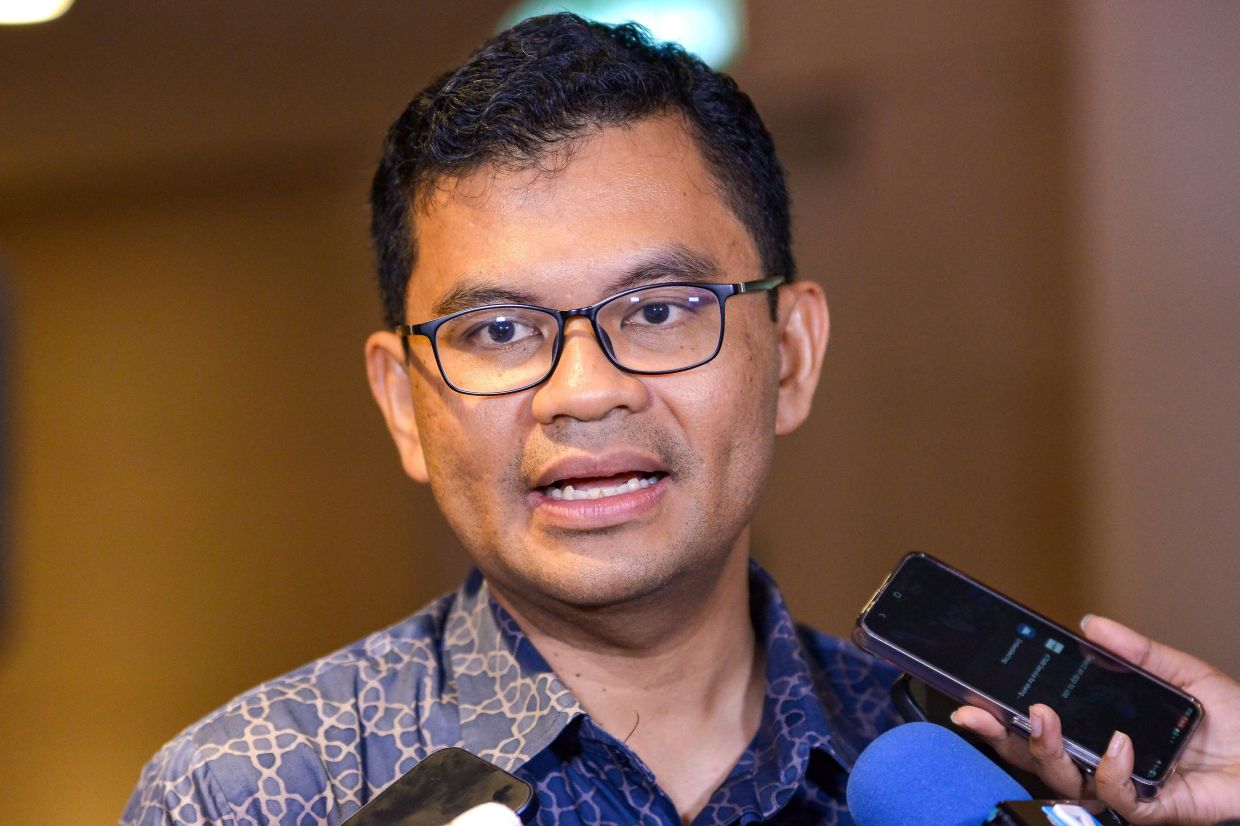
Malaysia has taken a significant stride in accelerating its renewable energy transition by awarding 42 companies projects under the 2026 Feed-in Tariff (FiT) mechanism. The successful bidders are poised to channel approximately RM4.3 billion into clean energy infrastructure, according to Economy Minister Akmal Nasrullah Mohd Nasir, who unveiled the selections at the 7th International Sustainable Energy Summit in Kuala Lumpur.
The portfolio of winning projects reflects a balanced approach to diversifying Malaysia's renewable energy sources. The 42 companies are developing 16 biogas installations, 11 biomass facilities and 15 small hydropower schemes, collectively commanding 331.355 megawatts of generation capacity. This mix recognises the varying geographical and resource advantages across the country, from agricultural waste streams suitable for biogas conversion to river systems capable of supporting hydroelectric generation and forest residues for biomass operations.
The capacity allocation underscores hydropower's continued prominence in Malaysia's renewable transition. Small hydropower projects claim the lion's share with 169.23 megawatts, followed by biomass at 135.94 megawatts and biogas at 26.185 megawatts. This distribution reflects both the technical maturity of water-based generation and the emerging opportunities within agricultural and waste conversion sectors that remain less developed locally.
Beyond kilowatt-hour generation, the economic ripple effects extend throughout the manufacturing and employment landscape. The projects are expected to create approximately RM617 million in domestic demand for gas engines and boilers, a crucial figure that signals potential strengthening of local industrial capacity in renewable energy components. Such localised procurement accelerates technology transfer and reduces long-term import dependency, positioning Malaysia as a more self-reliant energy economy over the medium term.
Employment generation constitutes another substantial economic dimension. The initiative is projected to generate approximately 7,738 indirect job opportunities, spanning construction, engineering, manufacturing, supply chain management and ongoing operational roles. These positions extend beyond metropolitan centres, likely benefiting rural and semi-urban communities where hydropower, biomass and biogas resources are concentrated, thereby contributing to more geographically inclusive economic development.
The selection process itself involved rigorous technical and commercial scrutiny. The Sustainable Energy Development Authority (SEDA) Malaysia assessed competing bids across multiple criteria including site suitability assessments, tariff competitiveness, technical feasibility and ecosystem requirements necessary for project execution. Among the 48 initial applications representing 370.480 megawatts, only 42 projects advancing 331.355 megawatts secured approval, indicating approximately 89% capacity advancement—a ratio suggesting stringent evaluation standards.
Minister Akmal Nasrullah framed these selections as instrumental in achieving three interconnected policy objectives: augmenting the renewable energy proportion within Malaysia's generation mix, fortifying indigenous supply chains for renewable technology and components, and catalysing tangible economic multiplier effects throughout manufacturing and service sectors. This multi-dimensional approach positions renewable energy deployment as an economic development instrument rather than a standalone environmental initiative.
The timeline for implementation projects these facilities into the grid between 2029 and 2030, providing a four-to-five-year development window. This extended horizon permits phased capital mobilisation, supply chain preparation and workforce skill development, reducing congestion in both project execution and manufacturing capacity that could otherwise emerge from simultaneous implementation of numerous large projects. The staggered integration also allows grid operators to systematically accommodate increased renewable intermittency alongside existing infrastructure.
For regional context, Malaysia's FiT programme positions the nation within Southeast Asia's accelerating renewable energy landscape. Neighbouring countries including Indonesia, the Philippines and Vietnam have similarly expanded renewable mechanisms, creating subregional competition for manufacturing facilities, engineering expertise and investment capital. Malaysia's emphasis on localised procurement and job creation reflects recognition that merely importing finished renewable energy technology forfeits economic value and technological capability development opportunities.
The biogas component merits particular attention given Malaysia's substantial agricultural and palm oil processing sectors. Converting agricultural waste into energy represents circular economy principles gaining traction globally, and local biogas deployment could catalyse technological demonstration effects encouraging private sector participation in waste-to-energy conversion beyond the formal FiT programme.
Sustainability considerations extend beyond immediate carbon reduction targets. Concentrated renewable energy development, particularly hydropower, necessitates careful environmental management addressing water resource competition, ecosystem disruption and land use conflicts. The selection process's emphasis on site suitability suggests such considerations received consideration, though implementation oversight remains essential.
Looking forward, these 42 projects constitute one component of Malaysia's broader renewable energy ambitions. The achievement demonstrates investor confidence in the FiT mechanism's stability and tariff sufficiency, potentially encouraging subsequent application rounds and private renewable investment outside formal government schemes. The RM4.3 billion investment mobilisation, if replicated across additional project cycles, could substantially accelerate Malaysia's energy transition while generating sustained economic benefits across manufacturing, employment and skill development sectors.

