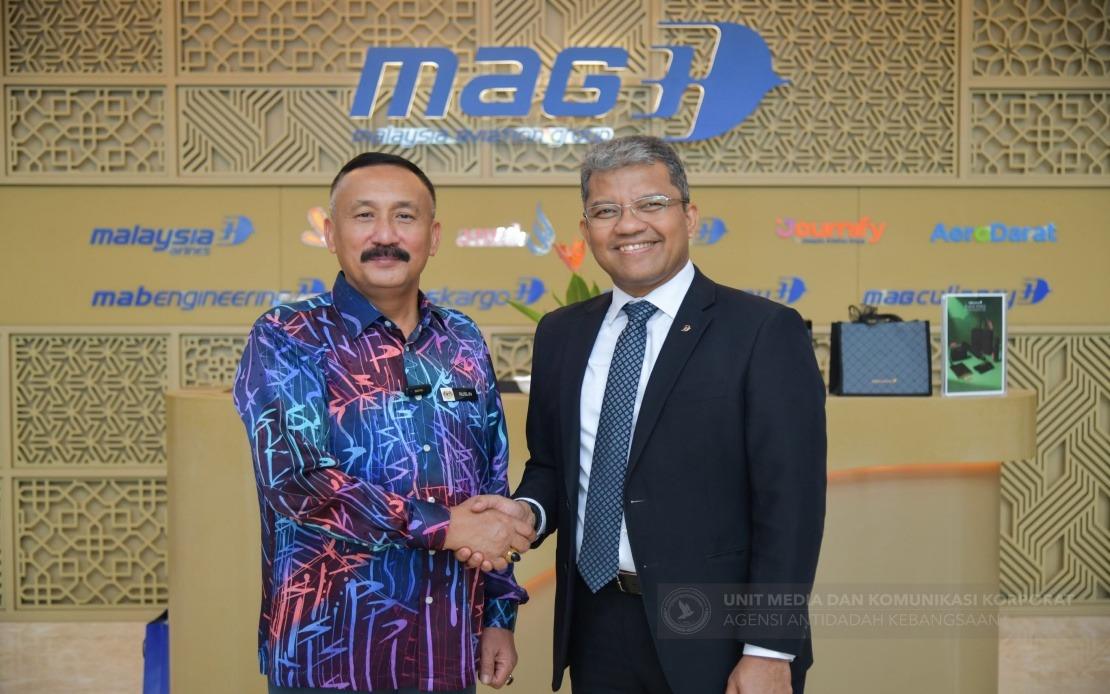
The National Anti-Drugs Agency (AADK) and Malaysia Aviation Group (MAG) have formalized a strategic partnership aimed at tackling drug abuse within the aviation sector, signing a new memorandum of understanding that represents a significant expansion of collaborative efforts between government and private enterprise. Datuk Ruslin Jusoh, the AADK's director-general, underscored the mutual commitment during a meeting with MAG chief executive officer Captain Nasaruddin A Bakar at the group's Sepang headquarters, emphasizing that this alliance extends beyond traditional compliance to encompass comprehensive prevention, intervention, and community awareness initiatives targeting the dangers associated with illicit and controlled substances.
The partnership directly addresses a critical vulnerability within Malaysia's aviation industry, where the safety-sensitive nature of flight operations demands the highest standards of employee welfare and substance-free working conditions. Ruslin highlighted that the collaboration builds upon established frameworks while introducing tailored interventions specific to the unique operational challenges faced by airline personnel. The new MoU outlines concrete measures designed to identify at-risk individuals early, provide appropriate support mechanisms, and foster organisational cultures that prioritize health and safety alongside operational excellence.
Central to the agreement is the implementation of the Drug-Free Workplace initiative, known locally as TEKAD, across MAG facilities and operational bases. This programme represents more than symbolic commitment; it constitutes a structured framework encompassing regular awareness campaigns, voluntary counselling services, targeted education for supervisory and management staff, and rehabilitation support pathways. The initiative acknowledges that aviation employees—from pilots and engineers to ground crew and administrative personnel—face occupational stressors that may increase vulnerability to substance misuse, making preventative intervention particularly valuable within this sector.
From a safety standpoint, the collaboration addresses risks that extend far beyond individual well-being. The integrity of flight operations depends fundamentally upon the fitness and alertness of personnel at every level, making drug abuse not merely a workplace health issue but a public safety imperative. Ruslin emphasized that this proactive approach represents the kind of immediate, decisive action necessary to maintain and reinforce the safety standards that underpin Malaysia's reputation in international aviation. The programme creates structured accountability while simultaneously offering compassionate, confidential pathways for employees struggling with substance abuse to access intervention before problems escalate to crisis levels.
The strategic value of this partnership extends beyond MAG itself, signalling to Malaysia's broader aviation ecosystem—including other carriers, airport operators, and related service providers—that anti-drug collaboration represents industry best practice. By securing Malaysia Airlines' participation, the country's flagship carrier, the agreement amplifies its reach and influence across the sector. Other aviation organisations may feel encouraged to adopt similar frameworks, creating a cumulative strengthening of safety culture throughout the industry. This ripple effect demonstrates how targeted partnerships can accelerate sectoral transformation toward higher standards.
For the AADK, the collaboration represents an important strategic pivot toward engaging Malaysia's private sector as active participants in national drug control efforts. Rather than positioning the agency solely as an enforcement body, this partnership establishes AADK as a valued advisor and collaborator supporting corporate institutional development. The move aligns with international best practices, where regulatory and enforcement agencies increasingly work alongside employers to create supportive environments that discourage substance abuse through positive incentives rather than fear-based approaches alone. This represents sophisticated policymaking that acknowledges the limitations of punishment-only models.
The partnership also carries implications for how Malaysia approaches workplace drug testing and employee wellness more broadly. MAG's commitment to TEKAD provides a model that other safety-critical industries—telecommunications, energy, manufacturing, and financial services—might adapt and implement within their own operations. As organisations increasingly recognise that employee well-being and safety performance are inseparable from productivity and quality outcomes, collaborations like this one help establish benchmarks and demonstrate feasibility of comprehensive programmes at scale. The private sector increasingly recognises that investing in employee health, including substance abuse prevention, generates measurable returns through reduced accidents, improved retention, and enhanced operational reliability.
Implementation will require sustained commitment from both organisations. The AADK must provide ongoing technical expertise, training, and capacity building to MAG personnel tasked with programme coordination and counselling referral. MAG must ensure adequate resourcing, integrate TEKAD principles into recruitment and induction processes, and maintain confidential, stigma-free access to support services. The presence of Datuk Ruslin alongside AADK deputy director-general (Operations) Zainudin Abdullah, alongside MAG delegations, suggests both sides entered discussions with serious intent. The follow-through will determine whether this MoU becomes a catalyst for sectoral change or remains primarily symbolic.
The timing of this partnership is particularly pertinent given ongoing global scrutiny of aviation safety standards and Malaysia's interest in consolidating its position as a responsible aviation hub. By demonstrating proactive, comprehensive approaches to employee wellness and substance abuse prevention, Malaysia strengthens its regulatory credibility internationally and reinforces the professionalism expected of organisations operating within its airspace. For MAG specifically, the initiative protects shareholder value by reducing operational risks while simultaneously demonstrating corporate responsibility to customers, regulators, and employees alike. This convergence of safety, regulatory, and corporate interests creates powerful momentum for genuine implementation rather than superficial compliance.
The success of this partnership will likely generate interest from Malaysia's regulators, professional associations, and other major employers seeking evidence-based models for workplace drug prevention. Should the collaboration deliver measurable improvements in employee health outcomes, retention rates, safety metrics, and operational reliability, it could catalyse broader institutional reform across Malaysia's transportation and logistics sectors. The partnership thus represents not simply a bilateral agreement between two organisations, but potentially a catalyst for systemic evolution in how Malaysia's private sector engages with national health and safety objectives, positioning collaborative action between government and enterprise as the preferred approach to complex societal challenges.

