Melaka Chief Minister Datuk Seri Ab Rauf Yusoh has been empowered by Barisan Nasional to conduct comprehensive negotiations with rival political coalitions in preparation for the state election. The move signals BN's readiness to explore collaborative arrangements that could reshape the political landscape in the peninsula's southern state, a region that has experienced considerable electoral volatility in recent years.
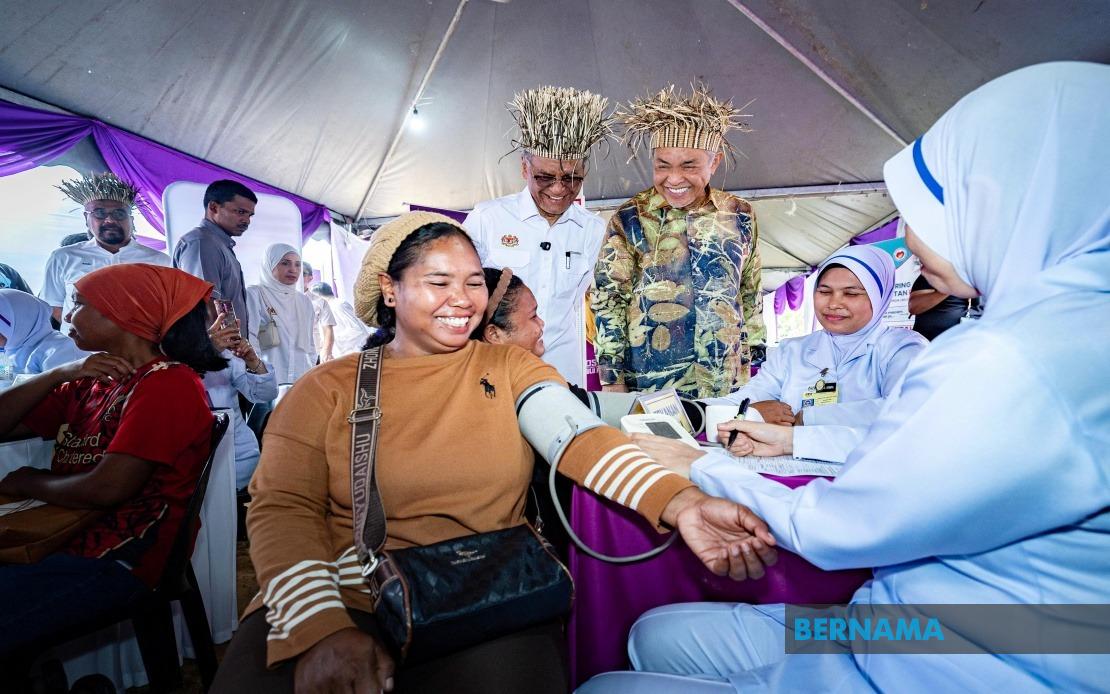
Barisan Nasional chairman Datuk Seri Dr Ahmad Zahid Hamidi made the announcement during a public event in Gerik, where he was officiating the launch of a health strategy initiative for Orang Asli communities. His emphasis on granting Ab Rauf unfettered negotiating powers indicates that the coalition is prioritizing flexibility and pragmatism as it approaches what could be a closely contested election, particularly given the rising influence of multiple competing blocs across Malaysia's political landscape.
Ahmad Zahid acknowledged that seat allocation discussions traditionally present significant obstacles to coalition-building efforts, yet he projected confidence that forthright dialogue could overcome any disagreements. His statement reflected an understanding that the mechanics of power-sharing—determining which party contests which constituencies—often proves more contentious than broader ideological alignment. The BN chairman's implicit message was that if all parties approach negotiations with genuine intent, satisfactory arrangements remain achievable.
The decision-making process for finalizing any agreements will incorporate multiple layers of approval. Negotiations conducted by Ab Rauf will subsequently be referred to UMNO's senior leadership, given UMNO's dominant position within the BN coalition framework. Only after internal UMNO endorsement will proposals advance to the BN Supreme Council, where representatives from component parties will conduct final deliberations before any coalition arrangement receives official sanction.
Pakatan Harapan, the primary opposition coalition, responded positively to BN's signaled openness toward seat-sharing discussions. Pakatan communications director Datuk Seri Fahmi Fadzil characterized BN's willingness to negotiate as a meaningful opportunity worthy of serious examination. This receptiveness suggests that despite their fundamental political opposition, the coalitions recognize potential areas of common interest, possibly related to preventing Perikatan Nasional from capturing key constituencies.
Perikatan Nasional, the newer political grouping that has gained considerable ground in peninsular Malaysia, similarly indicated readiness to engage with Barisan Nasional on seat allocation matters specific to Melaka. The stated openness from both PH and PN toward negotiating with BN creates a triangular negotiating dynamic that Ab Rauf must skillfully navigate. The outcome could determine whether Melaka experiences a two-way contest or a more fragmented three-way battle for electoral supremacy.
The strategic implications for Melaka are substantial. The state has emerged as a political bellwether, swinging between governing coalitions in recent elections and reflecting broader national sentiment shifts. A successful negotiation that results in coordinated seat distribution could effectively fragment the anti-BN vote or consolidate opposition strength, depending on which coalitions ultimately align. Conversely, failure to reach understanding could result in straight fights where multiple candidates from different coalitions compete in individual constituencies, potentially benefiting whichever group can mobilize the most disciplined ground support.
For Malaysian readers and the broader Southeast Asian context, these negotiations exemplify how Malaysia's multi-party democratic system often requires sophisticated coalition management. Unlike two-party systems, Malaysian elections frequently demand complex post-election negotiations or pre-election arrangements to construct governing majorities. The Melaka situation demonstrates this reality in microcosm, with multiple coalitions jockeying for advantageous positions before voters go to the polls.
The timing of these negotiations also warrants consideration. By securing a clear mandate for Ab Rauf ahead of formal discussions, Ahmad Zahid has eliminated potential obstacles from BN's internal deliberation processes. This streamlined approach could accelerate negotiations and increase the probability of reaching substantive agreements before the election date. However, it also places considerable responsibility on the Melaka Chief Minister to represent BN's interests effectively while demonstrating flexibility where compromise proves necessary.
The emphasis on conducting negotiations "honestly and in good faith," as Ahmad Zahid previously stated, suggests an attempt to establish ground rules that prioritize sincerity over tactical maneuvering. In Malaysian politics, such high-minded rhetoric sometimes precedes hardball negotiations where each coalition seeks maximum advantage. The coming weeks will reveal whether this commitment to principled engagement translates into actual outcomes or remains aspirational language.

