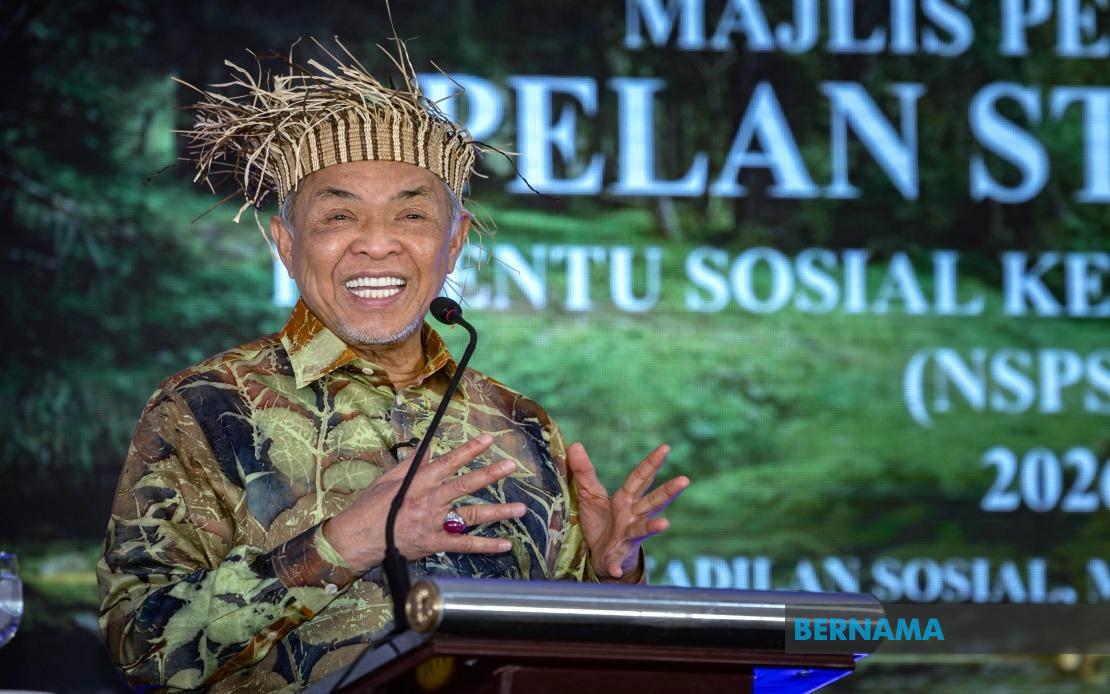
Deputy Prime Minister Datuk Seri Dr Ahmad Zahid Hamidi has called upon Malaysians to join him in prayers for the speedy recovery of Prime Minister Datuk Seri Anwar Ibrahim, who is convalescing following a minor surgical intervention. The senior government figure made the appeal while officiating the launch of the 2026-2035 National Social Determinants of Health Strategic Plan for Orang Asli at Kampung Air Banun in Gerik, signalling the continued commitment to public health initiatives even as the nation's leadership navigates this brief transition period.
Anwar underwent an elective laparoscopic surgical procedure to address a para-umbilical hernia, according to Datuk Dr Asri Ranga Abdullah Ramaiah, the head of the Prime Minister's Medical Team. The operation proceeded without complications under the supervision of specialist physicians, with Anwar now engaged in physiotherapy as part of his structured recovery protocol. Medical professionals overseeing his care have emphasised that he remains under close observation to guarantee optimal healing and restoration to full capacity.
Ahmad Zahid disclosed that the Prime Minister had notified him about the planned medical procedure on Tuesday, August 4, providing advance notice of the temporary absence from full duties. The Deputy Prime Minister expressed confidence that the brief window of recuperation would suffice for Anwar to regain his strength and return to managing the nation's affairs. He underscored that even procedures classified as minor warrant adequate rest, typically requiring a minimum two-day period during which the body can stabilise and begin its healing process.
To ensure governmental continuity during this interlude, Anwar had specifically requested that Ahmad Zahid assume chairmanship of Cabinet meetings in his absence. This delegation represents standard constitutional practice in Westminster-styled systems and demonstrates the pre-planned, orderly nature of the leadership transition. The arrangement highlights the stability of Malaysia's governmental framework, where succession protocols are well-established and capable of functioning seamlessly during periods when the Prime Minister requires temporary medical respite.
The appeal for national prayers reflects Malaysian political culture's integration of spiritual values with public governance. Ahmad Zahid's invocation for citizens to collectively invoke blessings for the Prime Minister's recovery resonates with the predominantly Muslim nation's emphasis on communal supplication during moments of collective concern. This framing positions the Prime Minister's health not merely as a private medical matter but as a matter of national interest, encouraging public solidarity and goodwill toward the nation's highest elected official.
The timing of Anwar's elective procedure represents prudent healthcare management, scheduling the intervention during what appears to be a relatively stable period in the governmental calendar. Elective surgery—as opposed to emergency interventions—allows for optimal preparation, selection of specialist teams, and planning of recovery protocols. This methodical approach to addressing a defined abdominal condition ensures that the Prime Minister receives comprehensive care designed to prevent complications and facilitate thorough rehabilitation.
From a Malaysian political perspective, the incident underscores the importance of transparent communication between the nation's top executives. Ahmad Zahid's willingness to publicly discuss Anwar's medical status and recovery expectations projects an image of institutional openness and reduces space for speculation or rumour. Such straightforward disclosure about leadership health matters reflects evolving expectations for governmental transparency in democratic societies, where citizens increasingly expect clarity regarding the fitness and availability of senior officials.
The physiotherapy component of Anwar's recovery programme indicates a comprehensive rehabilitation strategy extending beyond mere surgical completion. Post-operative physiotherapy accelerates functional recovery and minimises the risk of complications such as adhesions or reduced mobility. This evidence-based approach to post-surgical care demonstrates that Malaysia's medical infrastructure and protocols align with international best practices in surgical rehabilitation and patient recovery management.
The incident also illustrates how Malaysia's governmental machinery functions during leadership transitions, however brief. The constitutional framework permits the Deputy Prime Minister to assume decision-making authority when the Prime Minister is incapacitated, ensuring that state functions continue uninterrupted. This structural resilience provides reassurance to investors, international partners, and citizens that governmental operations remain stable regardless of temporary absences by the nation's chief executive.
Looking forward, Anwar's recovery trajectory will be monitored closely not only by medical professionals but also by the broader Malaysian public and international observers. Quick restoration to full capacity would signal robust health and uninterrupted governmental leadership, reinforcing confidence in Malaysia's political stability. Conversely, any unexpected complications would test the nation's succession protocols and the Deputy Prime Minister's capacity to manage extended periods of heightened responsibility.
The convergence of Ahmad Zahid's ceremonial duties—launching a health initiative for indigenous populations—with his management of Prime Minister Anwar's medical absence demonstrates how Malaysian governance accommodates simultaneous administrative priorities. Even as the Deputy Prime Minister stands in for Anwar in high-level meetings, he continues fulfilling scheduled public appointments, reflecting the operational demands placed upon senior ministers in a functioning democracy.
Ultimately, the brief interlude precipitated by Anwar's surgical recovery serves as a reminder of the human vulnerability underlying even the most powerful political offices. In requesting public prayers for the Prime Minister's swift restoration to health, Ahmad Zahid invoked both spiritual solidarity and institutional confidence—assuring Malaysians that even though the nation's top leader requires temporary medical attention, the governmental structure remains robust and the nation's affairs continue their orderly progression.

