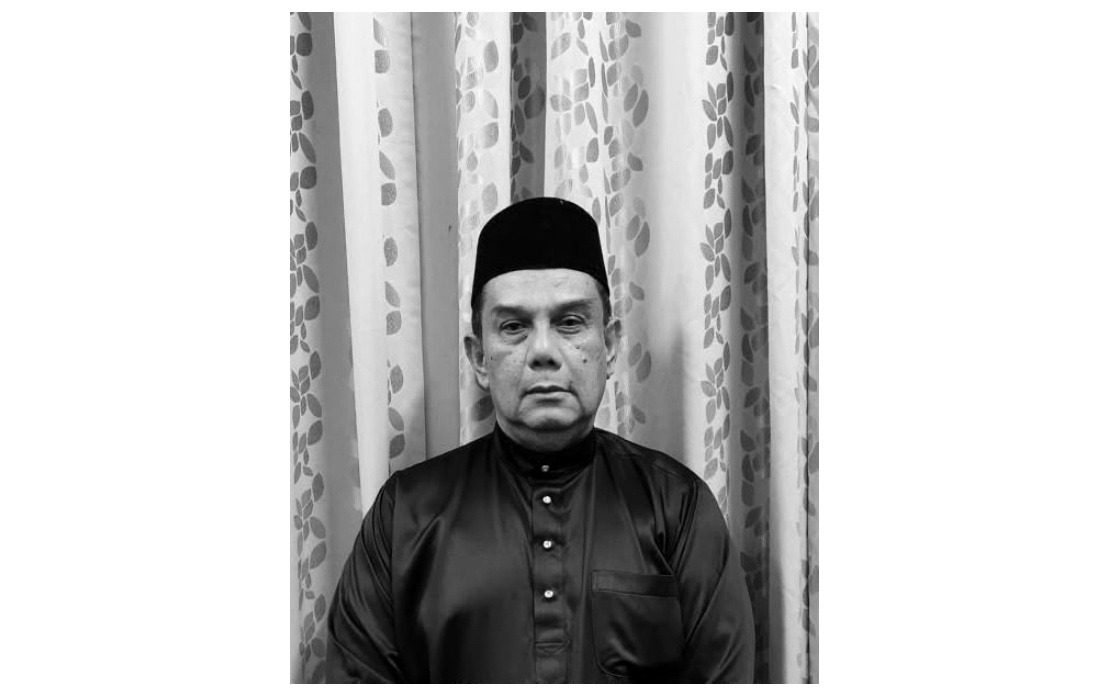
Datuk Jailani Harun, the longtime diplomatic officer to UMNO president Datuk Seri Dr Ahmad Zahid Hamidi, passed away at Hospital Serdang in Kuala Lumpur on Monday morning. The respected figure in Malaysian political circles breathed his last at 11.34 am, with news of his death confirmed by his eldest daughter, Nabilla, 33, and subsequently announced through the Office of the Deputy Prime Minister.
Jailani's career trajectory exemplified the interconnected nature of Malaysia's media and political establishment. Beginning his professional life as a journalist, he transitioned into the corridors of power, ultimately becoming a trusted aide to one of the country's most prominent political figures. His role as Ahmad Zahid's diplomatic officer placed him at the intersection of party politics and international relations, responsibilities that required both political acumen and diplomatic finesse.
The funeral arrangements reflect the prominence Jailani held within UMNO and broader political circles. His body will be transported to Al-Mubarakah Mosque located in Taman Bukit Cheras, where funeral prayers will be conducted. Following the completion of Asar prayers, he will be laid to rest at the Alam Damai Cheras Cemetery, a location that will serve as his final resting place.
Communications Minister Datuk Fahmi Fadzil took to Facebook to express his condolences to Jailani's bereaved family and close associates. In his tribute, Fahmi called for strength and patience for those grieving the loss, and invoked religious sentiments by praying for divine mercy upon Jailani's soul. His public expression of sympathy underscored the deceased's standing within Malaysia's political establishment, extending beyond party lines to include members of government.
The loss of Jailani represents a departure from the Malaysian political scene of a figure who bridged traditional journalism and modern political communication. His background in news reporting provided him with unique insights into media management and public discourse—skills that proved invaluable in his capacity advising Ahmad Zahid on diplomatic and communication matters.
Ahmad Zahid Hamidi, as UMNO's president and a former Deputy Prime Minister, has maintained significant influence within Malaysian politics despite various controversies and legal challenges. Jailani's role in the party leader's office involved managing relationships with media outlets, coordinating communication strategies, and facilitating diplomatic engagements. Such positions, though often overlooked in public discourse, carry substantial responsibility for shaping how political messages reach both domestic and international audiences.
The transition from journalism to political advising, which Jailani navigated successfully, reflects a common pattern among senior political operatives in Southeast Asia. Former reporters and communication professionals often find themselves well-positioned to advance within political hierarchies, given their existing networks, media literacy, and understanding of how information flows through society. Jailani's career exemplified this pathway, demonstrating how expertise in one field can translate into influence within another.
His passing comes at a time when UMNO continues to navigate internal dynamics and its positioning within Malaysia's broader political landscape. As the party grapples with leadership questions and strategic decisions ahead of future elections, the loss of experienced advisors like Jailani may require the organization to reassess its communication and diplomatic machinery. The knowledge and relationships he accumulated over years of service cannot be easily replicated or transferred.
The death of political operatives, particularly those who work behind the scenes, often goes unnoticed by the general public despite their influence on policy formulation and party strategy. Jailani's passing, however, received official acknowledgment from government figures, signaling recognition of his contributions to Malaysian political discourse and administration. This public recognition, while customary for figures of his standing, nevertheless highlights the respect he commanded across political divides.
For observers of Malaysian politics, Jailani's death marks the end of a significant chapter involving someone who witnessed and participated in major political developments over several decades. His journey from the newsroom to the offices of a major party president reflected broader trends in how modern political systems function, with expertise in communication and media management becoming increasingly central to political power.

