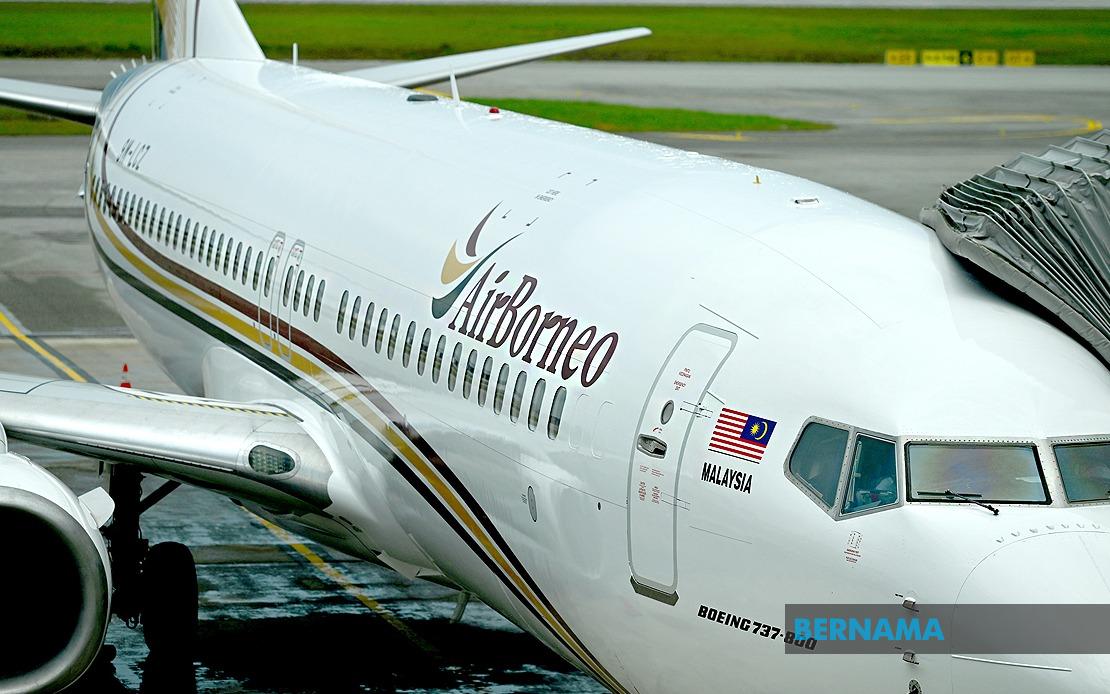
AirBorneo expressed its regret on July 20 following a technical delay that affected passengers aboard Flight MY5004, which was scheduled to travel from Kuala Lumpur to Kuching. The Sarawak-based carrier acknowledged the disruption and clarified the circumstances that led to the extended ground time, underscoring that the aircraft ultimately departed at 7.30 pm once the technical issue had been fully resolved.
The incident highlights the fine balance that regional carriers must maintain between operational reliability and passenger expectations. For a state-owned airline serving a key East Malaysian route, such delays carry particular significance, as they impact business travellers, families, and tourism flows between the peninsula and Sarawak. The Kuching route remains one of AirBorneo's busier services, making punctuality essential to the carrier's reputation and operational standing.
In its statement, AirBorneo emphasised that passenger safety constitutes its paramount concern, a standard principle across commercial aviation but one that takes on added weight when technical faults are discovered prior to departure. The airline's decision to ground the flight for inspection and remediation rather than proceed demonstrates alignment with international safety protocols, though it inevitably frustrates passengers with tight connections or commitments awaiting them in Sarawak.
Throughout the delay period, the airline's ground team provided affected travellers with periodic briefings, meals, and refreshments—measures designed to mitigate passenger frustration and maintain goodwill during an already inconvenient situation. Such passenger care practices have become industry expectations, particularly in Southeast Asia where competition among regional carriers has intensified. The provision of regular communication helps travellers understand the situation and adjust plans accordingly, reducing anxiety when circumstances remain beyond personal control.
AirBorneo's public acknowledgement of the inconvenience and its gratitude toward passengers for their forbearance reflect standard crisis communication practices employed by airlines following operational disruptions. This approach seeks to preserve customer loyalty and demonstrate organisational responsiveness, qualities that increasingly influence brand perception in Malaysia's competitive aviation market. The carrier's recognition of passenger cooperation suggests it recognises the goodwill required to maintain service relationships.
The airline reiterated its broader commitment to sustaining the highest safety standards whilst delivering dependable services, a dual promise that encapsulates the fundamental expectations placed upon domestic carriers operating within Malaysia's airspace. For AirBorneo, which operates a relatively modern fleet serving routes across Peninsular Malaysia, Sabah, and Sarawak, maintaining this reputation becomes crucial as the airline competes with larger carriers and budget airlines for market share and passenger preference.
Technical delays of this nature, whilst inconvenient, occur periodically across the global aviation industry and should not fundamentally undermine confidence in a carrier's operational capability. However, they do underscore the importance of rigorous maintenance protocols and pre-flight inspections that airlines must continuously refine. For Malaysian passengers, particularly those dependent on regional connectivity to reach Sarawak and Sabah, reliability forms a core consideration when selecting among available carriers.
The incident also reflects broader industry trends in Southeast Asian aviation, where rapid expansion and fleet growth occasionally strain maintenance capacity and ground operations. AirBorneo's transparency in addressing the delay and communicating with affected passengers demonstrates awareness of these pressures and the need to manage passenger expectations actively during disruptions.
Looking forward, such occurrences typically prompt airlines to review their technical procedures and communication protocols to identify preventive measures for future incidents. For AirBorneo, building upon this incident's management and reinforcing its safety and service credentials will remain important as the carrier continues expanding its route network and passenger base throughout the region.

