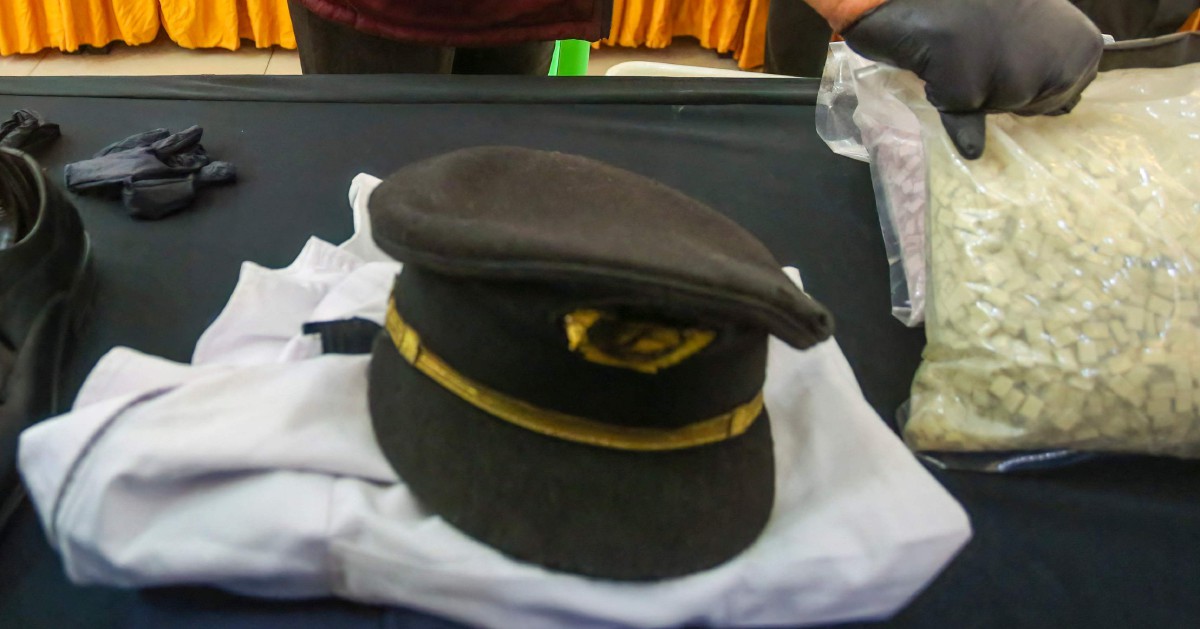
Investigators probing the controversial circumstances surrounding a Malaysia Airlines pilot's alleged transit through Kuala Lumpur International Airport with prohibited substances have singled out an airport staffer as a significant lead. The individual, believed to be in his 30s and employed at KLIA, has drawn police attention as authorities work to determine whether security checkpoint procedures were somehow bypassed or compromised during the pilot's passage through the terminal.
The case has intensified scrutiny on airport security operations and internal protocols governing personnel access and baggage screening at one of Southeast Asia's busiest aviation hubs. The involvement of an airport-based employee suggests the possibility that somebody with intimate knowledge of KLIA's layout and operational procedures may have played a facilitating role—a development that compounds concerns about security architecture at Malaysia's primary international gateway.
Key to the investigation is understanding how a commercial airline pilot, whose movements would ordinarily attract heightened scrutiny given aviation security protocols, managed to transport illicit drugs through multiple checkpoint stages without detection. This represents a significant breach in layered security systems designed specifically to prevent such occurrences, particularly for personnel working within the aviation industry who face elevated screening standards.
The man identified as a person of interest represents a tangible thread in what authorities are treating as a complex breach of airport security. His position within KLIA's operational ecosystem grants him familiarity with staff corridors, timing of screening procedures, and shift patterns—knowledge that could theoretically facilitate circumventing standard protocols. Police have been methodical in establishing connection points between the airport employee and the pilot, examining whether their paths crossed and whether any prior relationship existed.
This development carries serious ramifications for Malaysia Airlines, which faces reputational damage tied to allegations involving one of its crew members. The airline has long maintained rigorous crew vetting and conduct standards, making this episode particularly damaging. The broader aviation sector in Malaysia will also experience heightened regulatory scrutiny as authorities reassess whether current security frameworks adequately protect against insider-facilitated contraband movement.
For KLIA's management and Malaysia Airports Holdings Berhad, the investigation represents an uncomfortable reminder that security vulnerabilities can emerge from unexpected quarters. Employees with legitimate access to secure areas and restricted zones occupy positions of significant trust, and this case demonstrates that such trust can potentially be exploited. The incident will likely trigger comprehensive reviews of personnel screening procedures, access controls, and monitoring systems across the facility.
The timing of this investigation coincides with broader regional efforts to combat drug trafficking and aviation-related smuggling operations. Southeast Asia has become an increasingly important transshipment zone for narcotics moving between production regions and consumption markets, making airports particularly attractive targets for trafficking networks. The involvement of a commercial pilot represents the kind of sophisticated approach traffickers employ—leveraging legitimate transportation networks and personnel credentials to move contraband across borders.
The investigation unfolds against a backdrop of Malaysia's own counter-narcotics initiatives. The country maintains strict laws against drug trafficking and consumption, with severe penalties established for trafficking offences. That allegations involve an international airport and commercial aviation personnel signals that enforcement agencies view this case as potentially extending beyond individual criminality into potential organized smuggling apparatus.
Authorities have not detailed the specific drugs allegedly transported nor the quantity involved, though the fact that the matter has risen to the level of formal person-of-interest status indicates the substance and circumstances merit serious investigation. The methodical approach police are adopting—identifying the airport employee before making presumptive accusations—suggests investigators are building a comprehensive case intended to withstand legal scrutiny.
The investigation's progression will bear significantly on how Malaysian aviation institutions and airport operators approach internal security architecture going forward. Personnel background checks, access privileges, and employee monitoring may all face fundamental reassessment. For the regional aviation community, the case serves as instructive reminder about the constant vigilance required to maintain the integrity of air transport security systems.
Beyond immediate criminality, this matter highlights tensions between operational efficiency and security robustness. Airport staff require legitimate access to secure areas to perform essential functions, yet granting such access creates potential vulnerability windows. Balancing these competing imperatives while maintaining KLIA's position as a world-class regional hub represents an ongoing challenge for facility operators and regulatory authorities.

