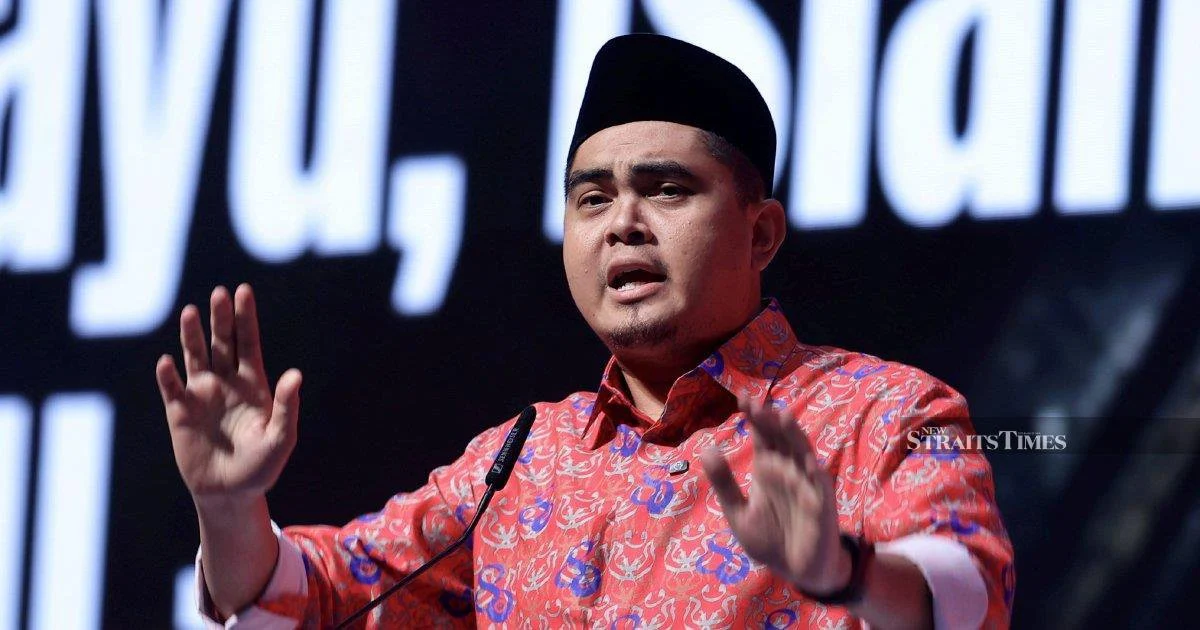
Umno Youth chief Datuk Dr Akmal Saleh has intensified pressure on DAP deputy chairman Nga Kor Ming to follow through on a prior commitment to step down following Barisan Nasional's overwhelming success in the Johor state election. Speaking in Johor Baru, Akmal cast doubt on whether Nga would honour his word, suggesting the pledge had become merely symbolic rather than a binding commitment. The challenge represents the latest rhetorical volley in ongoing political tensions between the ruling coalition and opposition parties in Malaysia's political landscape.
The resignation pledge in question carries significant weight within Malaysia's political discourse, particularly given the scale of BN's electoral performance. Opposition leaders have historically made such commitments following major electoral setbacks as a means of accepting responsibility for their parties' poor showings at the ballot box. However, the degree to which such pledges are actually honoured varies considerably, depending on internal party dynamics and the political consequences of stepping down from leadership positions. Akmal's public reminder of the commitment reflects the Umno Youth wing's broader strategy of maintaining political momentum following the election result.
Akmal went further in his remarks, offering to personally draft a resignation letter for Nga Kor Ming, a gesture laden with sarcasm and political theatre. This type of public baiting is common in Malaysian politics, where opposition and ruling coalition figures regularly exchange pointed remarks through the media. The offer to draft the letter serves multiple purposes: it underscores Akmal's belief that Nga will not resign voluntarily, it appeals to the Umno base by demonstrating aggressive positioning against the DAP, and it generates media coverage that amplifies the Umno Youth message during a politically advantageous period.
The context of this exchange is crucial for understanding its significance. Barisan Nasional's landslide victory in Johor represents a major political statement about voter preferences in one of Malaysia's most important states, traditionally an Umno stronghold. Such decisive results typically prompt soul-searching within opposition parties about their strategy, leadership effectiveness, and organisational capacity. When opposition leaders make public pledges to resign following defeats, they are attempting to demonstrate accountability and provide their parties with a symbolic opportunity for renewal and fresh direction.
Nga Kor Ming's position within the DAP hierarchy adds another dimension to this exchange. As deputy chairman, he represents a significant faction within the party and carries influence over its direction and strategic choices. His potential resignation, or conversely his decision to remain in position despite the electoral loss, carries implications for intra-party balance and the party's future trajectory. This makes Akmal's challenge not merely personal theatre but also a pointed commentary on DAP's internal politics and the willingness of its senior leadership to accept consequences for electoral performance.
The broader pattern of such public challenges reflects a characteristic of Malaysian politics where rhetoric often outpaces action. Political leaders across the spectrum routinely make grand pronouncements about accepting responsibility, stepping aside for new voices, or implementing major reforms. However, the translation of these statements into concrete actions remains inconsistent. Senior party figures frequently find reasons to delay or ultimately decline to honour such pledges, citing ongoing commitments, unfinished business, or the need for continuity during transitional periods. This gap between words and deeds has become sufficiently pronounced that Malaysian voters often regard political pledges with considerable scepticism.
From a regional perspective, Malaysia's post-election political dynamics attract attention from observers across Southeast Asia. The interplay between ruling coalitions and opposition parties, the mechanisms through which electoral mandates are exercised, and the degree to which leadership accountability is enforced all contribute to broader questions about democratic practice in the region. Strong electoral verdicts like BN's Johor victory provide ruling parties with significant political capital that they typically deploy to reinforce their positioning and test opposition resolve. The public challenges issued by figures like Akmal form part of this broader assertion of political dominance.
The timing and tone of Akmal's remarks also merit consideration. Public calls for opposition resignations serve to maintain political pressure during a period when the ruling coalition's confidence and momentum are running high. By keeping the focus on perceived broken promises and political inconsistency, government-aligned figures attempt to frame opposition parties as untrustworthy or unwilling to accept accountability. This narrative construction can prove influential with certain voter demographics and party loyalists who interpret such exchanges through the lens of principle and honour.
Looking forward, whether Nga Kor Ming actually resigns will carry implications beyond the immediate personal or factional consequences. If he steps down, it could signal genuine renewal within the DAP and demonstrate the party's commitment to accountability following electoral setbacks. Conversely, if he remains in position despite the public challenge, it may reinforce perceptions of political leaders across the spectrum prioritising personal and factional interests over broader principles of accountability. Either outcome will factor into the ongoing narrative about leadership responsibility in Malaysian politics and opposition parties' capacity to compete effectively in future electoral contests.
The DAP's response to these challenges, both the electoral result and the subsequent public pressure from ruling coalition figures, will likely shape opposition strategy during the coming years. Political parties must balance the need to demonstrate stability and continuity in leadership with the pressure for renewal and accountability following electoral disappointments. How the DAP navigates this balance, and whether senior leaders like Nga Kor Ming make meaningful changes to party direction and strategy, will be closely observed by political analysts and voters alike.

