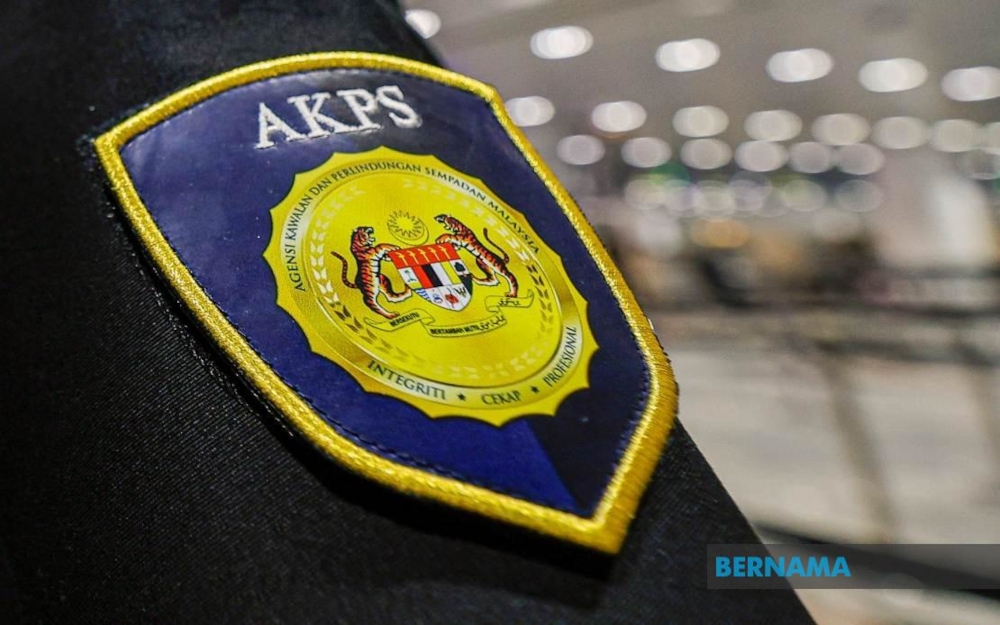
The Malaysian Border Control and Protection Agency has initiated a formal internal investigation into claims that an officer stationed at Kuala Lumpur International Airport Terminal 2 received an unauthorised RM100 payment routed through a personal Quick Response code. The allegation, which surfaced publicly in mid-July, has prompted the agency to examine whether standard protocols were breached and whether broader integrity issues exist within airport border control operations.
The incident highlights an emerging vulnerability in Malaysia's transition toward cashless payment systems. The use of personal QR codes—digital identifiers that facilitate immediate fund transfers through mobile banking applications—represents a modern method for conducting transactions that may evade conventional oversight mechanisms. Unlike traditional payment channels that generate institutional records, personal QR codes create a direct link between payers and individual recipients, potentially obscuring the paper trail that regulatory bodies typically rely upon for detecting financial improprieties.
KLIA 2, which handles the majority of low-cost carrier traffic at Malaysia's premier aviation hub, processes hundreds of thousands of passengers monthly. The terminal's significance as a gateway for regional and international travellers amplifies concerns about potential systemic vulnerabilities. Any compromises in the integrity of border control personnel could theoretically affect not only revenue collection but also passenger security screening and immigration compliance procedures. The agency's decision to investigate reflects recognition that such allegations, however isolated they may ultimately prove, demand immediate and transparent examination.
The investigation will likely examine multiple dimensions of the alleged transaction. Authorities will presumably seek to establish whether the payment was connected to expedited processing, reduced scrutiny, or circumvention of standard procedures. They will also investigate whether the officer involved acted independently or as part of a broader pattern of misconduct. Additionally, the inquiry may examine whether supervisory structures and monitoring systems at KLIA 2 are sufficiently robust to detect such irregular activities before they become public knowledge.
This development occurs within a broader context of Malaysia's anti-corruption initiatives. The country has faced international scrutiny regarding governance standards, and high-profile corruption cases have heightened public awareness of institutional vulnerabilities. Border agencies, which wield considerable discretionary power over passenger processing and cargo clearance, represent particularly sensitive pressure points. Officers at these checkpoints encounter opportunities to facilitate transactions outside formal channels, making them potential targets for inducements from individuals seeking expedited treatment or reduced inspection severity.
The adoption of digital payment methods, while generally promoting efficiency and reducing cash handling risks, has simultaneously created new avenues for misconduct if not accompanied by stringent controls. The absence of face-to-face transactions and physical money exchange can obscure the nature of payments. An officer receiving a nominal sum via QR code might rationalize the transaction differently than if presented with cash, potentially lowering psychological barriers to acceptance. This psychological dimension underscores why enhanced digital monitoring may be necessary alongside traditional integrity frameworks.
For Malaysian airports and border agencies, the investigation will likely inform policy adjustments regarding acceptable payment channels, officer communications, and financial transaction monitoring. Many institutions globally have implemented restrictions prohibiting personnel from accepting direct payments or retaining personal QR codes that facilitate individual transactions during duty hours. Enhanced digital auditing, real-time monitoring of officer communications, and regular integrity assessments represent complementary approaches that agencies might consider adopting.
The incident also carries implications for travellers and the aviation industry. Passengers expect that their passage through border checkpoints reflects objective assessment of travel documents and security risk factors, not variable treatment based on willingness to provide informal payments. Any erosion of confidence in the impartiality of border procedures could undermine the credibility of Malaysia's immigration system and potentially affect passenger volumes and aviation industry competitiveness within Southeast Asia's bustling travel market.
Regionally, the case reflects broader challenges facing developing and middle-income economies attempting to modernize administrative systems while maintaining integrity standards. Several Southeast Asian nations have encountered similar incidents involving misuse of digital payment platforms by government personnel. The transparency with which Malaysia's border agency has acknowledged and initiated investigation into this allegation may serve as a model for institutional accountability, provided the investigation concludes with clear findings and appropriate corrective measures.
The coming weeks will determine whether this represents an isolated incident or indicates systemic vulnerabilities requiring comprehensive remediation. The investigation's thoroughness and the agency's willingness to implement substantive reforms, rather than treating the matter as a contained episode, will substantially influence public and international perception of Malaysia's commitment to maintaining professional standards within its border control operations. The outcome will also signal to other government agencies the expectations regarding personnel conduct and the institutional consequences for integrity breaches involving modern payment technologies.

