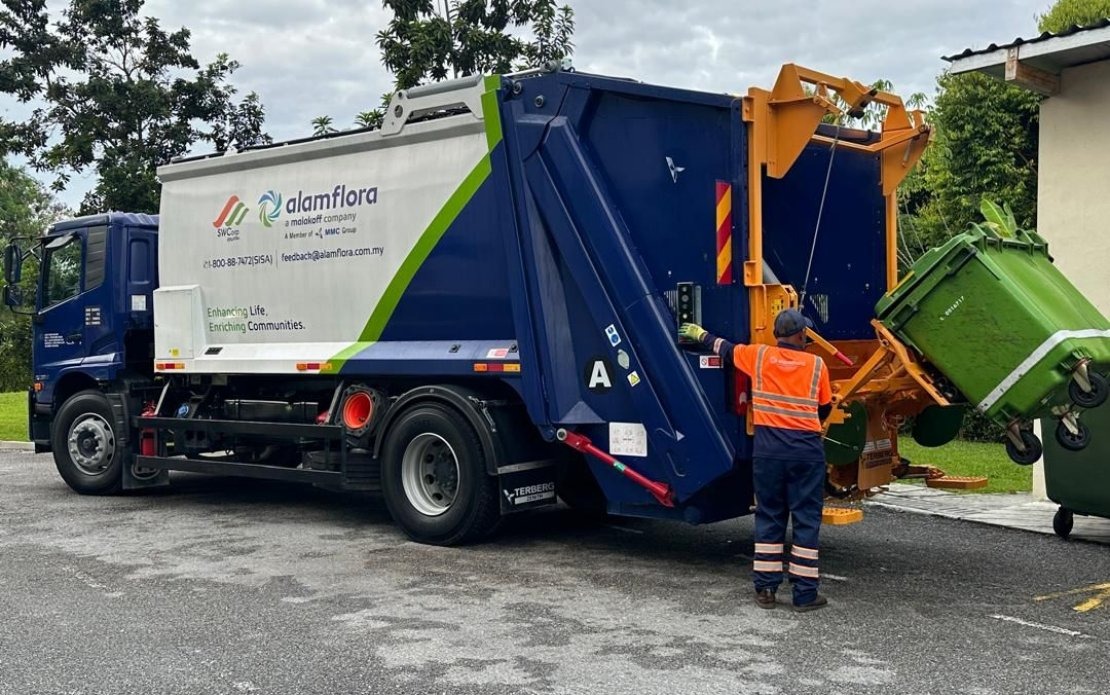
Alam Flora, the city's primary waste management contractor, has committed to full cooperation with the authorities conducting an investigation into a compactor garbage lorry collision that occurred at Jalan Pantai Murni 1 in Pantai Hillpark. The company issued a formal statement affirming its dedication to supporting the investigative process and ensuring transparency throughout the examination of the incident.
The waste management firm indicated that the damaged vehicle will be subjected to comprehensive mechanical inspection to establish the precise cause of the accident. This step aligns with directives from the investigating officer overseeing the case. The examination will provide crucial technical data that may determine whether equipment failure, maintenance issues, or other mechanical factors contributed to the crash.
In its statement, Alam Flora underscored that safeguarding the welfare of its employees, service contractors, and members of the public constitutes its foremost operational concern. The company's emphasis on worker and community safety reflects growing scrutiny of the waste collection industry's safety protocols, particularly regarding vehicle maintenance standards and operator training across Malaysia's major urban centres.
The organisation characterised the matter as requiring urgent attention and indicated that remedial measures would be implemented following the investigation's conclusions. Such assurances are significant for a company managing essential municipal services affecting millions of residents. A serious incident involving critical infrastructure operators can trigger broader public discourse about maintenance standards and regulatory oversight in the waste management sector.
According to eyewitness accounts and preliminary reports, the garbage lorry encountered what appeared to be brake dysfunction before the driver lost command of the vehicle. The machine subsequently crashed through a residential condominium's perimeter wall. Early-morning collection schedules mean waste collection vehicles operate when traffic is lighter but residential areas remain densely populated with sleeping occupants, heightening potential consequences of any mechanical failure.
The lorry operator promptly reported the incident to the Kuala Lumpur Traffic Police Station. Police conducted an immediate breath analysis examination on the driver, which returned negative results, definitively excluding alcohol impairment as a contributing element. This finding eliminated one investigative avenue and directed focus toward mechanical and operational factors instead.
Authorities have dispatched the compactor lorry to the Computerised Vehicle Inspection Centre, commonly known as Puspakom, where specialists will conduct detailed technical analysis. This facility operates Malaysia's standardised vehicle inspection protocols and maintains records that can reveal maintenance histories and any documented mechanical concerns. The examination may uncover whether the vehicle had prior reported issues or maintenance lapses.
The police have initiated a formal investigation under Section 43(1) of the Road Transport Act 1987, which addresses motor vehicle offences and establishes legal frameworks for examining vehicle-related incidents. This statutory foundation allows investigators to examine maintenance records, inspection reports, and operational procedures. The specific charge classification will ultimately depend on findings regarding negligence, maintenance failures, or regulatory violations by the operating company.
For Malaysian residents, this incident raises important questions about the maintenance and safety management of vehicles servicing essential municipal functions. Waste collection represents a critical infrastructure service, yet collisions involving these vehicles remain disturbingly common across Southeast Asian cities. The accident highlights the necessity of rigorous preventive maintenance schedules and operator training protocols within the waste management industry.
Alam Flora's pledge of cooperation represents a standard corporate response to such incidents, yet the depth and transparency of the investigation will significantly influence public confidence in the company's operations. Regulatory bodies must balance the need for swift resolution with thorough technical examination to prevent similar occurrences. The findings could potentially inform broader safety reviews across Malaysia's waste collection sector, affecting how contractors manage vehicle fleets and implement safety improvements.
This incident also underscores vulnerabilities within residential communities located near primary collection routes. The crash into a condominium perimeter wall could have resulted in far more serious consequences had occupants been struck. Urban planning considerations increasingly must account for the safety implications of major service vehicles operating in proximity to residential areas, particularly during early morning hours when visibility remains limited.

