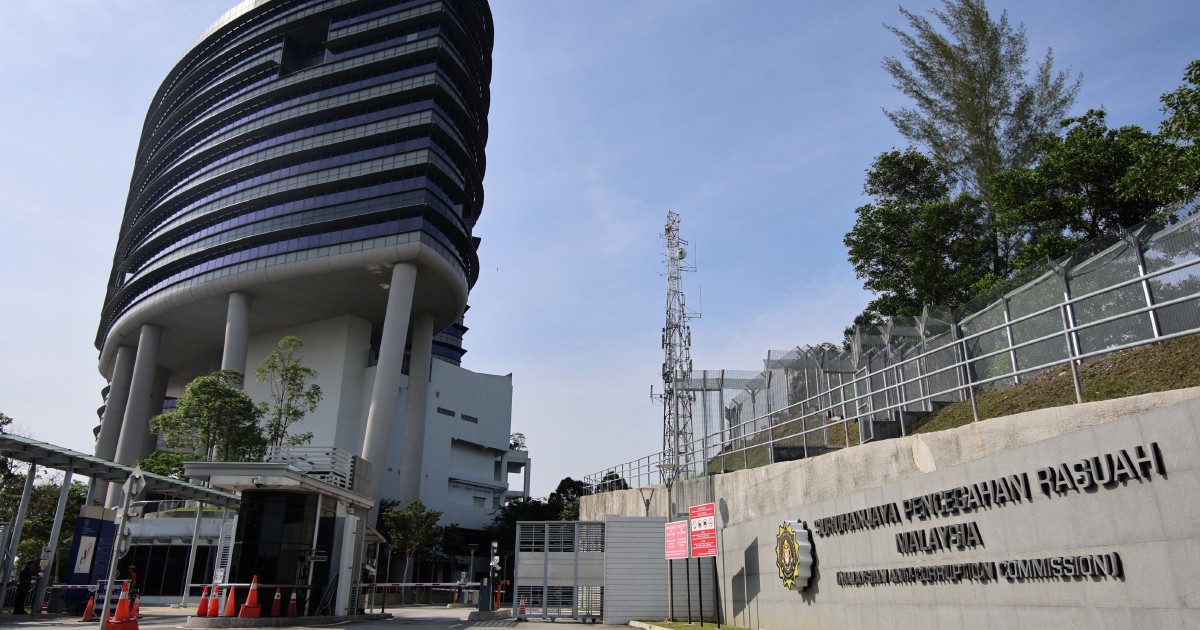
Datuk Azmi Ahmad, the group managing director and chief executive officer of Alam Maritim Resources Bhd, has been released from Malaysian Anti-Corruption Commission remand, ending a detention period that had prompted scrutiny of the publicly listed maritime services company. The release marks a significant development in what appears to be an ongoing investigation into the operations of one of Malaysia's substantial marine and offshore service providers.
Alam Maritim Resources operates in a sector critical to Malaysia's economic infrastructure, offering maritime and offshore support services across the country's oil and gas, renewable energy, and general commercial shipping domains. The company's leadership detention by the MACC had drawn attention from both the business community and investors monitoring governance standards in the sector. The release of its top executive comes as the maritime industry faces increasing regulatory scrutiny globally and within Malaysia regarding compliance frameworks and operational transparency.
The timing of Datuk Azmi Ahmad's detention and subsequent release reflects the MACC's continued focus on anti-corruption investigations across Malaysia's corporate landscape. The commission has demonstrated increasing commitment to examining practices within significant industrial enterprises, particularly those serving strategic sectors. Such investigations underscore the ongoing efforts to strengthen accountability mechanisms across public and private entities that interface with government contracts and licensing arrangements.
For investors in Alam Maritim Resources, the release may provide some measure of reassurance regarding business continuity, though the underlying investigation nature and scope remain unclear. Listed companies operating in sensitive sectors such as maritime services must navigate complex regulatory environments where compliance failures can trigger swift enforcement action. The company's share price performance and stakeholder communications in the aftermath of this detention will likely indicate market confidence levels and management transparency regarding the MACC probe.
The maritime services sector in Malaysia encompasses numerous enterprises providing essential support to offshore platforms, shipping operations, and naval facilities. Companies within this space operate under multiple regulatory frameworks overseen by the Department of Maritime Malaysia, port authorities, and various federal agencies. The MACC's investigative activities in this sector highlight the increasing emphasis on ensuring that commercial operators maintain the highest standards of financial integrity and governance compliance.
For regional perspective, Malaysia's anti-corruption efforts position the country within broader Southeast Asian initiatives to enhance corporate accountability and public trust in institutions. The MACC's independence and investigative capacity have been subjects of ongoing international assessment, with the agency's actions receiving scrutiny from governance watchdogs and transparency advocates. High-profile investigations of corporate leadership, particularly in strategically important sectors, demonstrate commitment to uniform enforcement of anti-corruption standards regardless of corporate size or influence.
The broader implications for Alam Maritim Resources extend beyond the immediate detention matter to encompass governance reputation and stakeholder confidence. Companies navigating MACC investigations must balance operational continuity with transparent communication to employees, clients, and shareholders. The maritime sector's interconnectedness with Malaysia's energy security and economic stability means that disruptions to major service providers carry systemic considerations beyond individual corporate performance.
As the investigation proceeds, the business community will monitor how the case develops and what findings emerge. Such matters often result in enforcement actions ranging from financial penalties to structural governance reforms. For stakeholders in Alam Maritim Resources, clarity on the investigation's conclusions remains essential for decision-making regarding contracts, investments, and partnerships. The company's ability to restore market confidence will depend significantly on management cooperation with authorities and demonstrated commitment to rectifying any identified compliance lapses.
The release of Datuk Azmi Ahmad does not necessarily indicate conclusion of the investigation but rather completion of the initial remand detention phase. Malaysian legal procedure allows for further investigative steps including bail conditions, document analysis, and witness testimony. The MACC may pursue additional investigative avenues independently or coordinate with other enforcement agencies depending on the complexity and nature of the allegations under examination.
For Malaysia's maritime industry broadly, episodes of regulatory enforcement serve as reminders of the evolving expectations around corporate governance and compliance management. Industry participants increasingly recognize that robust internal controls, transparent financial reporting, and ethical business practices constitute essential competitive requirements rather than optional enhancements. The sector's continued reliance on major service providers like Alam Maritim Resources means that maintaining operational integrity and regulatory compliance carries significance extending beyond individual corporate boundaries to affect entire supply chains and dependent industries.

