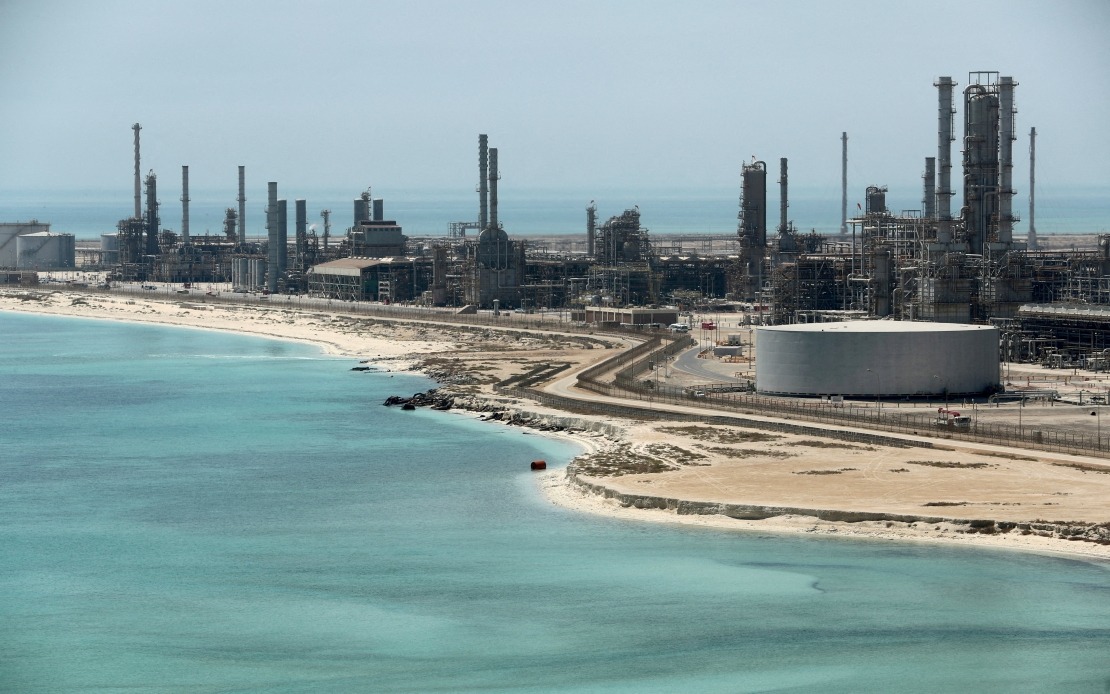
A catastrophic helicopter accident at Saudi Arabia's crucial Ras Tanura oil facility has claimed the lives of all 14 individuals aboard the aircraft. The Saudi Ministry of Energy confirmed the incident occurred early Sunday morning at approximately 6 am local time, with the helicopter operated by Saudi Aramco—the kingdom's national oil company and one of the world's largest energy producers. The crash represents a significant tragedy for the Middle Eastern energy sector and raises fresh concerns about aviation safety protocols in the region's petroleum industry.
Every person aboard the ill-fated helicopter was identified as a Saudi national, according to statements from the Ministry of Energy and the Saudi Press Agency. The complete loss of life underscores the severity of the impact and has prompted immediate grief and condolences from government officials. The Ministry extended formal sympathies to the bereaved families, emphasizing the nation's collective mourning for those lost in the disaster.
Ras Tanura's strategic importance to global energy markets makes this accident particularly consequential. Located along Saudi Arabia's eastern coastline fronting the Arabian Gulf, the facility serves as one of the kingdom's most vital oil refining and export terminals. The complex handles enormous volumes of crude petroleum daily, processing and shipping hydrocarbons that feed global markets and influence international fuel prices. Any disruption to operations at such a critical hub can ripple across regional and worldwide energy supply chains, though immediate reports did not indicate damage to refining infrastructure itself.
The Saudi authorities have initiated a comprehensive investigation to establish the precise circumstances leading to the crash. Such investigations typically examine multiple factors including weather conditions at the time, mechanical integrity of the aircraft, pilot error, maintenance records, and adherence to flight safety protocols. Given the helicopter's role in servicing an oil and gas facility, investigators will likely scrutinize operational procedures and safety measures specific to aviation activities in industrial environments.
For Malaysian energy stakeholders and regional observers, this incident carries particular relevance. Saudi Arabia remains one of Malaysia's crucial energy suppliers and a major player in the global crude oil markets that directly influence local fuel prices and petrochemical production costs. Any disruption to Saudi oil infrastructure, whether temporary or sustained, can affect Malaysian refineries, power generation utilities, and downstream industries reliant on stable energy supplies. The crash serves as a sobering reminder of the operational risks inherent in extracting, processing, and transporting fossil fuels across the region.
Saudi Aramco itself operates one of the world's most sophisticated and extensive petroleum networks, spanning exploration, production, refining, shipping, and marketing across multiple continents. The company maintains high technical standards and substantial safety investments, yet accidents remain an inherent occupational hazard in aviation operations, particularly those conducted in remote or challenging environments. The helicopter was evidently engaged in company operations supporting the Ras Tanura facility, a role integral to maintaining the smooth functioning of critical infrastructure.
The timing of this disaster on a Sunday morning, when operations at the facility would typically continue despite reduced staffing compared to weekdays, suggests the helicopter may have been engaged in routine transport, maintenance support, or emergency response activities. Ras Tanura's 24-hour operational demands necessitate regular helicopter movements to transport personnel, equipment, and supplies between offshore platforms, processing facilities, and shore installations. The crash represents a catastrophic interruption to these critical logistical functions.
From a regional aviation safety perspective, this incident will likely prompt renewed scrutiny of helicopter operations across the Gulf's oil and gas sector. Southeast Asian nations with similar energy infrastructure, including Malaysia, may review their own protocols governing aviation support for petroleum facilities. The International Civil Aviation Organization and relevant Gulf Cooperation Council member states typically coordinate on safety standards, and this tragedy may accelerate adoption of enhanced protocols or equipment upgrades.
The loss of 14 skilled workers strikes at the human cost underlying the region's energy industry. These individuals represented years of training, experience, and expertise accumulated within Saudi Aramco's operations. Their families now face profound personal loss, while the company confronts both human and operational consequences. Such incidents often prompt soul-searching within organizations regarding whether existing safety measures sufficiently protected personnel from identified risks.
Investigators will likely complete preliminary findings within weeks, though determining precise causes may require extended technical analysis of aircraft wreckage and operational records. The broader implications for helicopter operations across the Middle East's petroleum sector remain uncertain pending investigation conclusions. If mechanical or systemic factors emerge, they could necessitate fleet-wide reviews or operational adjustments affecting energy production schedules across the region, with secondary impacts on global energy markets and consumer fuel prices.
For Malaysia's energy-dependent economy, monitoring developments from this investigation holds practical importance. Any significant changes to Saudi Arabia's refining output or export capacity could influence crude oil availability and pricing for Malaysian refineries and power utilities. Additionally, Malaysian companies operating in Gulf energy sectors must ensure their own aviation safety protocols meet or exceed standards that may be strengthened in the investigation's aftermath.

