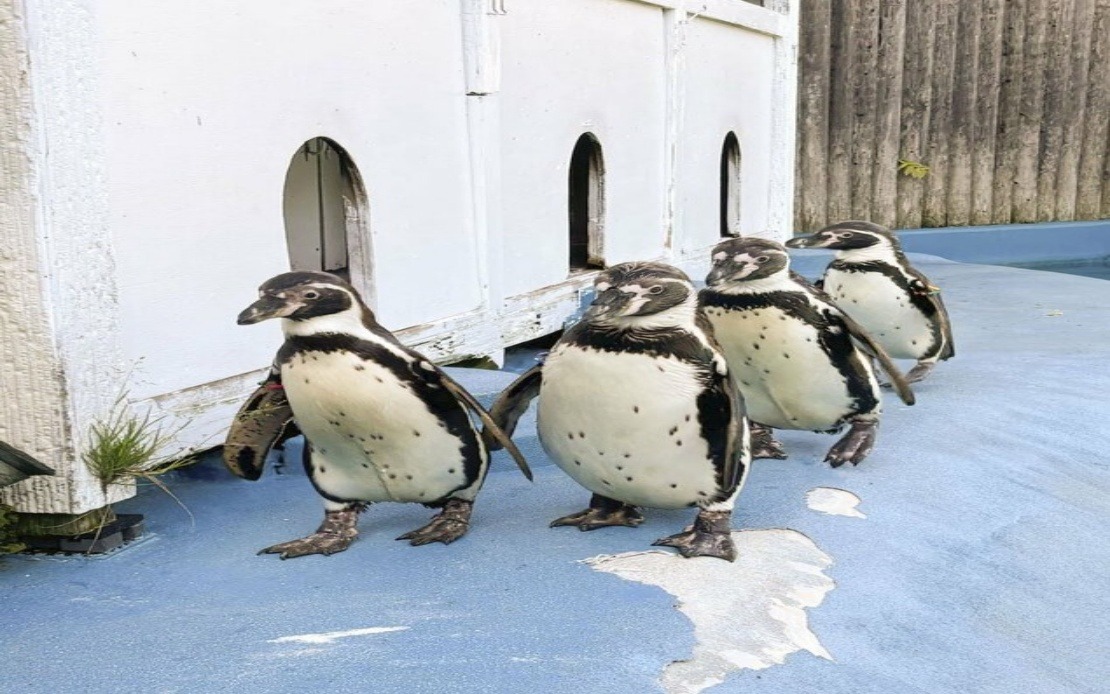
An investigation has determined that avian malaria was responsible for the deaths of four Humboldt penguins housed at Yagiyama Zoological Park in Sendai, Japan, with all four birds succumbing to the mosquito-borne illness over a ten-day period last month. The findings, announced Friday, highlight an emerging threat to captive bird populations in temperate zones and raise questions about disease management protocols in zoological facilities across the region.
The penguin deaths occurred between July 9 and 19, with each bird dying in succession beginning with a male penguin named Aramasa. What made the situation particularly alarming from a veterinary standpoint was the rapid progression of the disease — none of the four birds displayed any visible symptoms of illness until the day immediately preceding their deaths. This characteristic of avian malaria, where infected birds can appear entirely healthy before deteriorating suddenly, presents significant challenges for early detection and intervention in captive settings.
Yagiyama Zoological Park commissioned Iwate University to conduct a comprehensive investigation into the cause of the deaths. The university's diagnostic findings confirmed that mosquito-borne avian malaria was the culprit, a conclusion that has prompted the zoo to reassess its preventive measures and facility design. While avian malaria poses no direct risk to human visitors or staff at zoological facilities, the disease demonstrates how environmental factors and vectors can penetrate even managed zoo environments.
Humboldt penguins are indigenous to the coasts of Peru and Chile in South America, where they have adapted to temperate marine conditions rather than the extreme cold of polar regions. This geographic origin is significant because Humboldt penguins are generally more heat-tolerant than their Antarctic cousins, making them suitable candidates for zoological collections throughout Japan and other temperate countries. However, their adaptation to South American climates does not necessarily prepare them for endemic mosquito populations and regional pathogens found in East Asia.
The presence of avian malaria in Japan's zoo environment raises broader implications for animal welfare and disease control in captive bird collections throughout East Asia. Mosquitoes, which transmit the parasite responsible for avian malaria, breed in standing water including small puddles and stagnant pools. This transmission mechanism offers zoo managers a clear pathway for intervention — environmental redesign and mosquito control become primary defense strategies against future outbreaks.
Yagiyama Zoological Park has indicated that no immediate plans exist to acquire replacement penguins for the exhibit. This cautious approach reflects responsible animal management, prioritising facility remediation over hasty restocking. The zoo's stated intention to eventually reopen the penguin exhibit will depend on successful implementation of structural and operational modifications designed to eliminate mosquito breeding grounds within and around the enclosure.
The specific measures under consideration include comprehensive redesign of the penguin habitat to prevent the accumulation of standing water in any form. This might involve improved drainage systems, sealed water features, and regular inspection protocols to identify potential breeding sites. Zoo officials are also likely considering insect control measures, though balancing effective mosquito suppression with the safety of the penguins themselves presents technical challenges.
From a regional perspective, this incident underscores how zoos across Southeast Asia and East Asia must remain vigilant about vector-borne diseases affecting their animal populations. Unlike facilities in polar regions where mosquitoes are seasonal nuisances, tropical and subtropical zoos operate in environments where mosquito-borne avian diseases pose year-round threats. The case of the four Humboldt penguins serves as a cautionary tale for zoological institutions considering acquisitions of non-native species in endemic disease zones.
The rapid nature of avian malaria's progression — from asymptomatic to fatal within hours or days — means that traditional reactive veterinary protocols prove inadequate. Zoo staff cannot rely solely on observing sick animals and treating them; they must implement robust preventive strategies. This requires investment in environmental assessment, drainage infrastructure, pest management expertise, and ongoing monitoring systems that many facilities may not currently possess.
The incident also raises questions about the sustainability of maintaining South American penguin species in Japanese zoos given local disease pressures. While Humboldt penguins have proven popular attractions at Japanese zoological parks due to their warmer-climate adaptation compared to emperor or Adélie penguins, the disease dynamics of the host region clearly create significant risks. Facility managers must now weigh the educational and recreational value of penguin exhibits against the inherent challenges of protecting thermophilic bird species in regions where they encounter novel pathogens.
As Yagiyama Zoological Park moves forward with facility redesign and enhanced disease prevention protocols, the experience of these four penguins will likely influence how other Japanese zoos approach their own bird collections. The incident demonstrates that even modern, well-managed facilities cannot take animal safety for granted when housing species outside their native ranges, and that environmental factors — particularly those supporting vector populations — warrant the same level of professional attention as direct animal care and nutrition.

