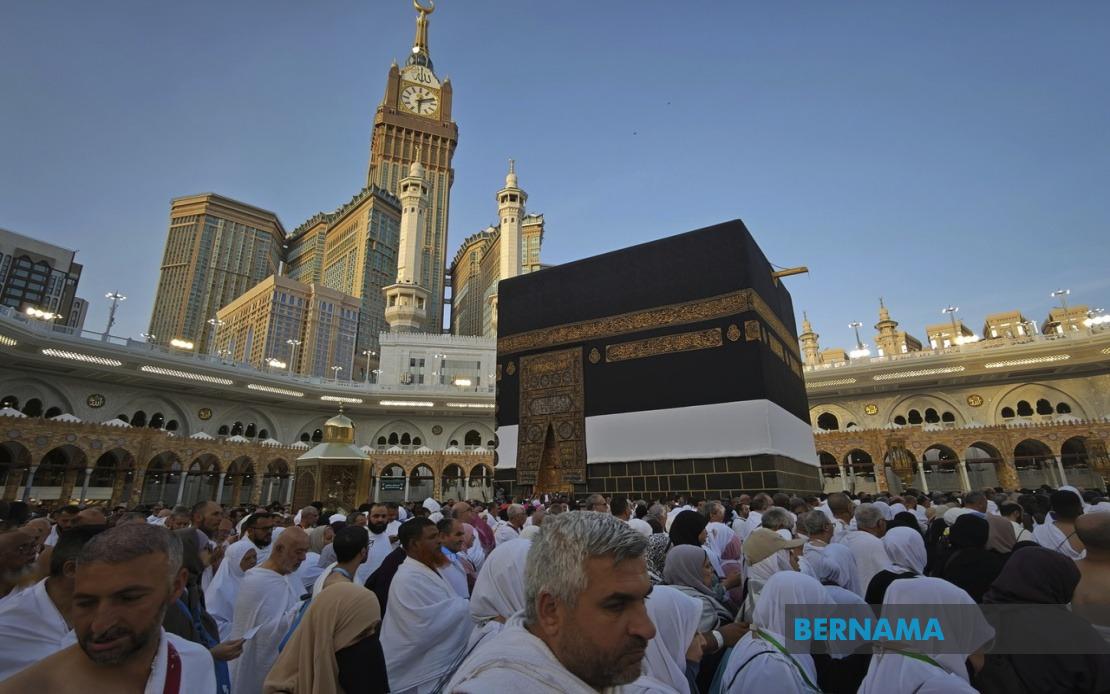
The Malaysian consulate in Jeddah has issued a decisive statement dismissing widespread social media claims that Malaysian haj pilgrims continue to remain in Saudi Arabia beyond their scheduled return. The diplomatic mission confirmed on Sunday that every pilgrim participating in the 1447H/2026 haj season has successfully completed their journey and returned to Malaysia in accordance with the timetable established by the Pilgrims Fund Board (Tabung Haji).
The consulate's clarification came in direct response to misinformation circulating across social platforms suggesting that some participants in this year's pilgrimage remained unaccounted for or stranded in the kingdom. Such claims, whether accidental or deliberately false, can generate considerable anxiety among families of pilgrims and the broader Muslim community awaiting their loved ones' safe arrival. The timing of the statement underscores the importance of official channels in managing public perception during sensitive periods involving religious obligations.
Tabung Haji, the government entity managing Malaysia's haj operations, had established a precise repatriation schedule for the 1447H/2026 cohort. This structured approach reflects decades of accumulated experience in coordinating the logistics of transporting tens of thousands of pilgrims from across Malaysia through the Hajj season and safely returning them home. The successful completion of these operations within the planned timeframe demonstrates the institutional capacity that Malaysian authorities have developed for managing one of Islam's largest annual undertakings.
The proliferation of unverified information about haj pilgrim welfare illustrates broader challenges facing information ecosystems across Southeast Asia. Social media platforms enable rapid sharing of claims without adequate verification mechanisms, particularly affecting time-sensitive matters where families have emotional investment in accurate updates. The consulate's intervention highlights how even official completions of major operations require active public communication to counter false narratives.
For Malaysian pilgrims, the haj represents the culmination of years of planning, spiritual preparation, and often substantial financial investment. The period during which pilgrims remain in Saudi Arabia generates legitimate interest from their families and communities seeking regular updates. However, this genuine need for information creates vulnerability to unsubstantiated claims that exploit public concern. The consulate's decisive response reflects recognition that addressing misinformation promptly prevents its amplification.
The statement specifically advised members of the public to rely exclusively on official sources for authoritative information regarding haj operations. Both the Malaysian consulate in Jeddah and domestic agencies including Tabung Haji maintain direct communication channels designed to provide verified updates. Such institutional pathways offer substantially greater reliability than social media posts originating from unidentified users. The consulate's advisory essentially asks Malaysians to exercise critical evaluation when encountering claims about government operations, particularly those lacking official verification.
This incident reflects a pattern whereby significant religious or national events occasionally become the subject of inaccurate online speculation. Previous haj seasons and pilgrimages from other nations have similarly experienced the spread of unconfirmed reports about participants remaining overseas. The phenomenon demonstrates how technological capacity to distribute information has outpaced corresponding development of verification standards on open platforms. For diplomatic missions abroad, part of core responsibility now includes monitoring social discourse and promptly addressing misinformation.
The successful return of all 1447H/2026 season participants also underscores the coordination between Malaysian authorities and Saudi hosts in managing the logistics of international religious pilgrimage. The haj brings together millions of Muslims from across the world, creating extraordinary challenges in transportation, accommodation, health services, and security. Malaysia's systematic approach, evident in the adherence to predetermined schedules, contributes to the relative smoothness of these operations despite their unprecedented scale.
Moving forward, the consulate's experience suggests that proactive communication during future haj seasons may help minimize misinformation. Publishing regular updates on repatriation progress, maintaining transparent communication channels, and rapidly addressing false claims as they emerge could establish greater public confidence in official information sources. Such measures would complement existing institutional mechanisms while acknowledging the contemporary reality that absence of official communication creates space for speculation.
The confirmation that all pilgrims have returned provides relief to families and communities awaiting their arrival and marks the successful conclusion of another haj season for Malaysia. The need to publicly refute false claims, however, highlights persistent challenges in managing information flows during major events, particularly when they involve religious significance and emotional dimensions for participants and their supporters. This episode reinforces the value of consulting official sources and exercising caution toward unverified claims, lessons applicable well beyond the specific context of haj operations.

