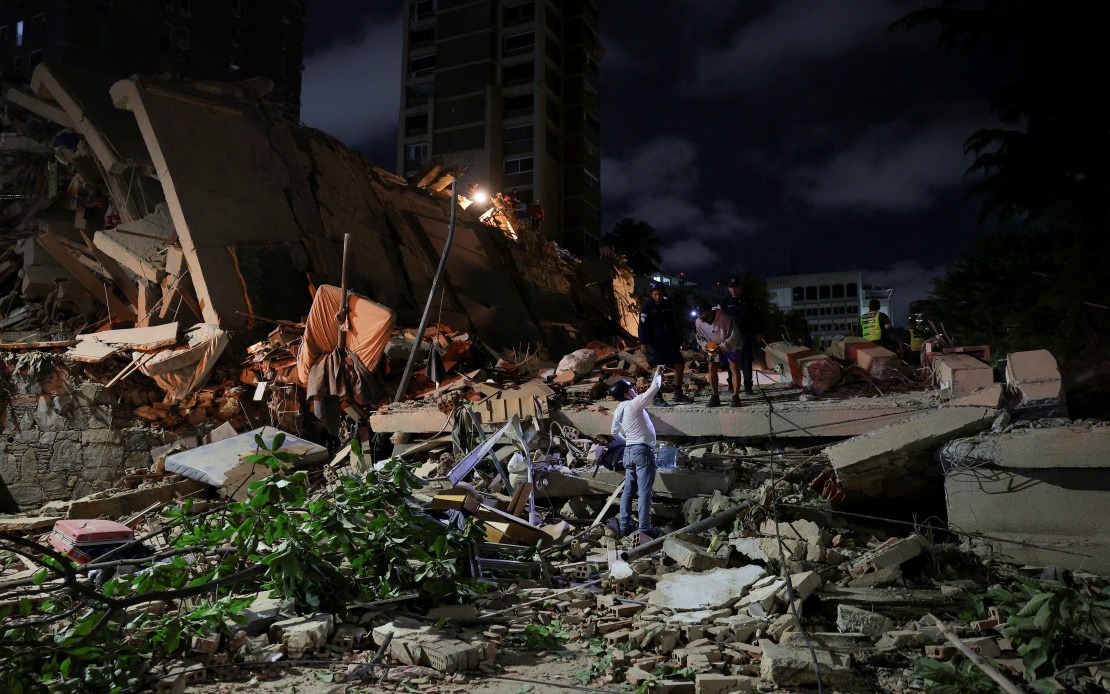
The Malaysian Foreign Ministry issued assurances on Thursday that every registered national in Venezuela has been accounted for and remains unharmed following two significant seismic events that jolted the South American nation on Wednesday. The earthquakes, which measured 7.2 and 7.5 on the Richter scale, struck the central region of the country and triggered widespread concern for the safety of foreign nationals, including Malaysians, in the affected zones. Wisma Putra, as the ministry is formally known, initiated immediate monitoring protocols to track the wellbeing of Malaysian citizens and coordinate with local authorities to assess any potential impacts.
The twin tremors were centred approximately 21 kilometres from the municipality of Moron and roughly 168 kilometres west of Caracas, the Venezuelan capital. The seismic activity was sufficiently powerful to be felt across a broad swath of Venezuelan territory, extending into major population centres and administrative regions including Caracas itself, as well as the states of Trujillo, Carabobo, Miranda, and La Guaira. Structural damage was reported in multiple locations, with several buildings sustaining collapse or severe damage. The geographic spread of the tremors underscored the magnitude of the natural disaster and prompted rapid international response from various governments concerned about their nationals in the region.
While Malaysian authorities moved swiftly to confirm the safety of registered citizens, Venezuelan officials were still in the preliminary stages of damage assessment and casualty determination at the time of Malaysia's statement. The full scope of destruction and human impact remained unclear as emergency services conducted their investigations. This period of incomplete information created an urgent need for coordinated communication between embassies and local authorities to ensure accurate situational awareness. The Malaysian Embassy in Caracas maintained active liaison with Venezuelan emergency services and government bodies to remain updated on developments as they unfolded.
The Foreign Ministry issued detailed advisory guidance for Malaysians in Venezuela, emphasising the importance of exercising heightened vigilance during the immediate aftermath of such natural disasters. All Malaysian residents and visitors in potentially affected areas were instructed to comply strictly with safety directives and updates emanating from Venezuelan emergency services. This guidance reflected standard diplomatic protocol for major earthquakes, where secondary hazards including aftershocks, structural failures, and infrastructure disruptions typically persist for extended periods following the primary seismic event. The ministry's emphasis on caution acknowledged both the immediate and ongoing nature of earthquake-related risks.
A significant aspect of the ministry's response involved encouraging all Malaysian nationals to register their presence through official channels. Those who had not yet registered with the e-Konsular system were strongly urged to do so immediately via the designated online platform at https://ekonsular.kln.gov.my. This registration mechanism serves as a critical database for Malaysian missions abroad, enabling authorities to establish accurate counts of citizens in specific locations and maintain contact during emergencies. In situations involving natural disasters or other crises, such registrations prove invaluable for consular protection and assistance operations. The ministry's emphasis on this step reflected standard best practices developed over decades of diplomatic crisis management.
For Malaysians requiring urgent consular assistance or those seeking to report information regarding other Malaysian nationals potentially present in earthquake-affected areas, the Foreign Ministry provided direct contact channels through the Malaysian Embassy in Caracas. Telephone lines were made available at +58-212 720 4257 and +58-424 222 1338, while email inquiries could be directed to [email protected]. Establishing multiple communication pathways during disasters ensures that Malaysian citizens and those concerned for their welfare can access embassy services despite potential disruptions to telecommunications infrastructure. Such redundancy in contact mechanisms reflects the embassy's commitment to maintaining consular accessibility during crisis periods.
The dual earthquake events underscore the vulnerability of countries situated along major tectonic boundaries to sudden geological upheaval. Venezuela's location and seismic history mean that tremors of this magnitude, whilst significant, are not unprecedented. However, the rapid succession of two powerful earthquakes raised particular concern among geologists and emergency management professionals, as such clustering can occasionally trigger additional seismic activity. The ministry's ongoing monitoring commitment reflected the possibility that aftershocks or additional seismic events might occur, requiring sustained vigilance over a period extending beyond the initial impact.
For the broader Malaysian diaspora and their families, this incident highlights the essential role played by the Foreign Ministry and overseas missions in safeguarding citizens abroad. The swift confirmation of safety across all registered Malaysians represented successful execution of emergency response protocols that Malaysia has developed and refined through various international incidents. The ministry's willingness to provide prompt public assurance helped allay immediate concerns while avoiding premature claims before comprehensive information could be verified. This measured approach balanced transparency with accuracy, avoiding panic while maintaining credibility with both affected populations and the Malaysian public.
Looking forward, the ministry indicated its intention to maintain active monitoring of the situation and release further updates as circumstances evolved and more complete information became available. This commitment to ongoing communication acknowledged that earthquake consequences often unfold gradually, with full damage assessments and casualty figures typically requiring days or weeks to compile. By signalling its continued engagement, the Foreign Ministry assured Malaysians in Venezuela of sustained official attention to their welfare and circumstances, while also maintaining preparedness for any additional support or assistance that might become necessary as the situation in Venezuela developed.

