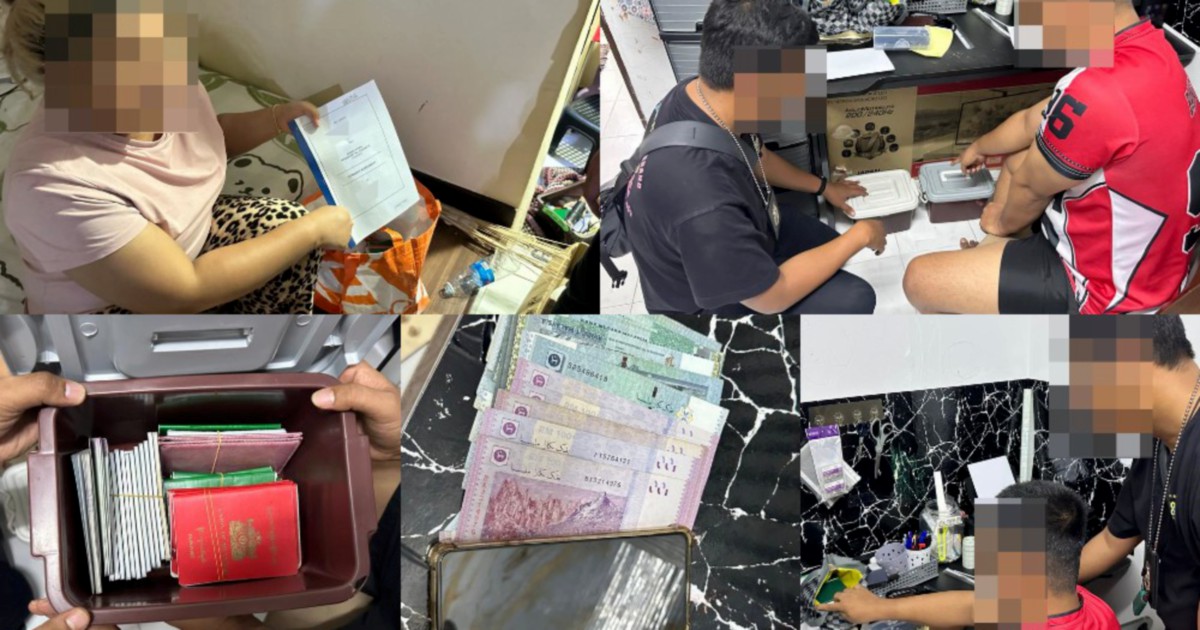
Malaysian immigration enforcement has scored a notable victory against organised document crime, with the arrest of three individuals suspected of operating a passport-forging operation in Kuala Lumpur. Among those detained is the alleged mastermind orchestrating the fraudulent operation, according to Datuk Zakaria Shaaban, the director-general of the Immigration Department.
The breakthrough represents escalating efforts by authorities to dismantle increasingly sophisticated schemes that facilitate illegal migration, identity fraud, and transnational crime networks. Passport counterfeiting has emerged as a persistent challenge across Southeast Asia, with syndicates adapting their methods to circumvent technological security measures embedded in modern travel documents. The Kuala Lumpur-based operation targeted appears to have operated within Malaysia's capital, a regional hub where multiple jurisdictions intersect and documentation abuse poses heightened risks.
The nature of such syndicates typically extends beyond simple document forgery. These networks often intersect with broader criminal enterprises, including human trafficking, money laundering, and the facilitation of undocumented migration across international borders. The identification and detention of the suspected leadership figure signals that investigators have likely traced connections within the syndicate hierarchy, potentially unravelling operational structures that may have produced forged documents for clients across multiple countries in the region.
Malaysia's geographic position as a transit hub for regional travel and commerce creates both opportunities and vulnerabilities in document security. The country sits at the intersection of major migration pathways, making it an attractive target for organised crime groups seeking to establish forging operations. Immigration authorities have intensified scrutiny of document processing channels, with particular attention to networks that might exploit administrative systems or collude with corrupt officials.
The Immigration Department's capacity to identify and prosecute the alleged kingpin suggests enhancement in investigative techniques and intelligence gathering. Digital forensics, financial tracking, and coordination between border agencies have collectively enabled authorities to move beyond apprehending lower-level operatives and instead target the architects of such criminal enterprises. This represents a strategic shift from reactive enforcement to proactive disruption of organised networks.
The arrest comes amid broader regional concerns about document fraud. Southeast Asian nations have increasingly recognised that forged travel documents constitute both a security and a sovereignty issue, as they undermine confidence in legitimate immigration processes and facilitate movement of individuals who may pose security risks. Cooperation between ASEAN member states on document security standards and intelligence sharing has become a priority within regional frameworks.
From a practical perspective, passport forging operations require access to specialised materials, sophisticated printing equipment, and knowledge of security features incorporated into modern documents. The fact that organised syndicates can maintain such operations suggests either availability of necessary materials through supply chains or potential corruption within government institutions. The investigation into the arrested individuals will likely probe these operational vulnerabilities and identify whether security protocols at document facilities require reinforcement.
The two additional detainees presumably occupied supporting roles within the syndicate structure—potentially functioning as recruiters, document distribution agents, or handlers of client transactions. Understanding the hierarchy and function of each arrested party will be critical in determining the scope of the forgery operation and how extensively it penetrated Malaysia's borders. Investigators will examine client lists, financial records, and distribution networks to assess how many forged documents may have entered circulation.
The implications extend to Malaysia's international credibility regarding immigration control. Countries receiving large numbers of Malaysian passport holders or managing migration from Malaysia to their territories rely on assurance that travel documents they encounter are authentic. Any perception that Malaysia's document security has been compromised could prompt other nations to implement heightened scrutiny of Malaysian passports, creating friction in bilateral travel arrangements and trade flows.
Looking forward, the successful prosecution of the alleged mastermind and associates could set precedent for handling document fraud cases, potentially strengthening legal frameworks and evidentiary standards for pursuing similar networks. The Information Department will likely use this case to publicise its enforcement capacity and deter would-be forgers from attempting operations within Malaysian jurisdiction. Public awareness campaigns highlighting document security features may also reduce demand for forged travel documents among potential users who might otherwise have been vulnerable to exploitation by such syndicates.
The broader challenge facing immigration authorities remains the continuously evolving sophistication of counterfeiting operations. As security features in travel documents become more advanced, criminal syndicates invest proportionally in acquiring countermeasures and developing reproduction techniques. Sustained investment in investigative resources, international cooperation frameworks, and document technology upgrades will be necessary to stay ahead of such threats in the coming years.

