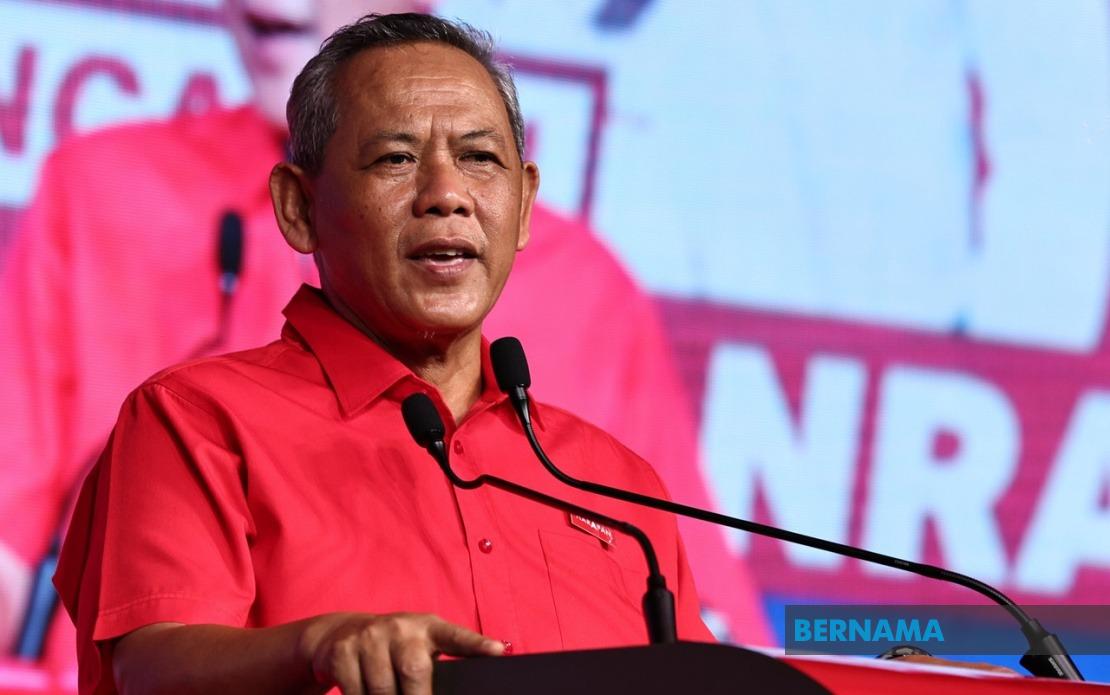
Negeri Sembilan Menteri Besar Datuk Seri Aminuddin Harun has appealed to voters in the Linggi state seat to base their electoral decisions on the government's substantive efforts to tackle chronic flooding, rather than permitting the issue to become a tool for political opponents seeking advantage before the 16th state election. Speaking to reporters after Friday prayers in Seremban on July 17, the Pakatan Harapan candidate acknowledged that flooding in Linggi has long vexed residents and sparked considerable social media discussion in recent days, yet he framed the government's response as methodical infrastructure investment rather than neglect.
The menteri besar emphasised that two distinct flood mitigation initiatives have received formal approval and are currently progressing through joint implementation by state and federal authorities. He noted that such engineering and planning projects inherently require extended timeframes to deliver meaningful results, cautioning against expectations of immediate resolution. This measured rhetoric stands in contrast to the more urgent tone sometimes adopted by opposition figures, reflecting a strategic choice to position Pakatan Harapan as a competent administrator focused on practical governance over populist promises.
Aminuddin's comments arrive amid a resurgence of social media activity highlighting Linggi's vulnerability to inundation during periods of intense rainfall in the Seremban area. The viral posts have renewed attention to infrastructure deficiencies that have persistently affected the constituency, creating a politically sensitive environment as nomination day approached. By publicly confirming that mitigation projects are underway, the menteri besar sought to demonstrate governmental responsiveness while simultaneously signalling that sustainable solutions demand patience and technical rigour.
The flood issue carries particular weight in Malaysian state politics, where infrastructure and public safety concerns directly influence voter behaviour and constituency sentiment. Linggi's recurring problems have likely generated frustration among constituents who experience property damage and livelihood disruption during monsoon seasons. The government's emphasis on two approved projects suggests an administrative commitment, yet voters will inevitably question whether such initiatives will genuinely prevent future inundation or merely reduce severity. The credibility of such promises depends partly on transparent communication about project timelines, budgets, and expected outcomes.
Aminuddin explicitly rejected what he characterised as political exploitation of the flooding problem, articulating a distinction between proper governance and sentiment-driven campaigning. This framing appeals to voters who prioritise pragmatism and may grow weary of repeated campaign pledges without corresponding action. The menteri besar's approach reflects a broader Pakatan Harapan strategy of emphasising administrative track record and infrastructure delivery rather than relying solely on criticism of opposition parties or emotive appeals.
As Negeri Sembilan Pakatan Harapan chairman, Aminuddin presented the coalition's electoral platform as rooted in proven administrative performance during its tenure governing the state. He positioned the party's offering to voters as concrete development initiatives and service delivery, implicitly contrasting this with opposition strategies that he suggested relied more heavily on rhetoric and sentiment manipulation. This argument carries weight with voters who have directly observed state government projects and their tangible effects on their communities.
The menteri besar strategically deferred judgement of opposition tactics to the electoral wisdom and maturity of Negeri Sembilan voters themselves, adopting a tone of confidence in public discernment rather than directly attacking rivals. This rhetorical choice avoids the perception of desperation while implicitly challenging opposition candidates to justify their own policy positions and track records. In Malaysian political discourse, appeals to voter wisdom and maturity often signal an attempt to elevate discussion above personalities and toward policy substance.
The Linggi flooding issue encapsulates broader challenges facing Malaysian states, where rapid urbanisation, climate variability, and aging infrastructure interact to create recurring public safety crises. The state election's timing during monsoon season heightens the political salience of weather-related disasters and infrastructure preparedness. Opposition candidates have historically capitalised on such concerns, particularly where government responses appear inadequate or delayed. Aminuddin's public commitment to existing mitigation projects represents an attempt to preempt such criticism by demonstrating administrative agency.
For Malaysian voters, infrastructure competence increasingly determines electoral preferences, particularly in constituencies experiencing recurring natural disasters or environmental hazards. The Linggi case illustrates how technical governance challenges become political battlegrounds where administrative effectiveness directly translates into electoral consequences. Voters in affected areas will scrutinise not only whether projects are approved but whether they demonstrably improve conditions and offer reasonable timelines for completion.
The Election Commission scheduled nomination day for July 18, with early voting on July 28 and polling day on August 1, compressing the campaign period into a fortnight. This compressed timeline constrains opportunities for detailed policy discussion, potentially favouring simpler electoral narratives. The flood issue, by contrast, offers a concrete frame through which voters can evaluate competing claims about governmental capacity and prioritisation. Aminuddin's emphasis on approved projects and implementation timelines represents an attempt to shift discussion from whether the government acknowledges the problem toward whether its proposed solutions merit electoral confidence.
The Negeri Sembilan state election carries significance beyond the state itself, as Pakatan Harapan seeks to consolidate support in a key peninsular state while opposition parties attempt to reclaim ground lost in previous elections. The Linggi constituency's electoral outcome could influence broader coalition momentum. Aminuddin's appeals to voters to judge the government by its concrete actions rather than political positioning reflect awareness that electoral success in 2024 depends on convincing swing voters that Pakatan Harapan has transformed pledge into performance.

