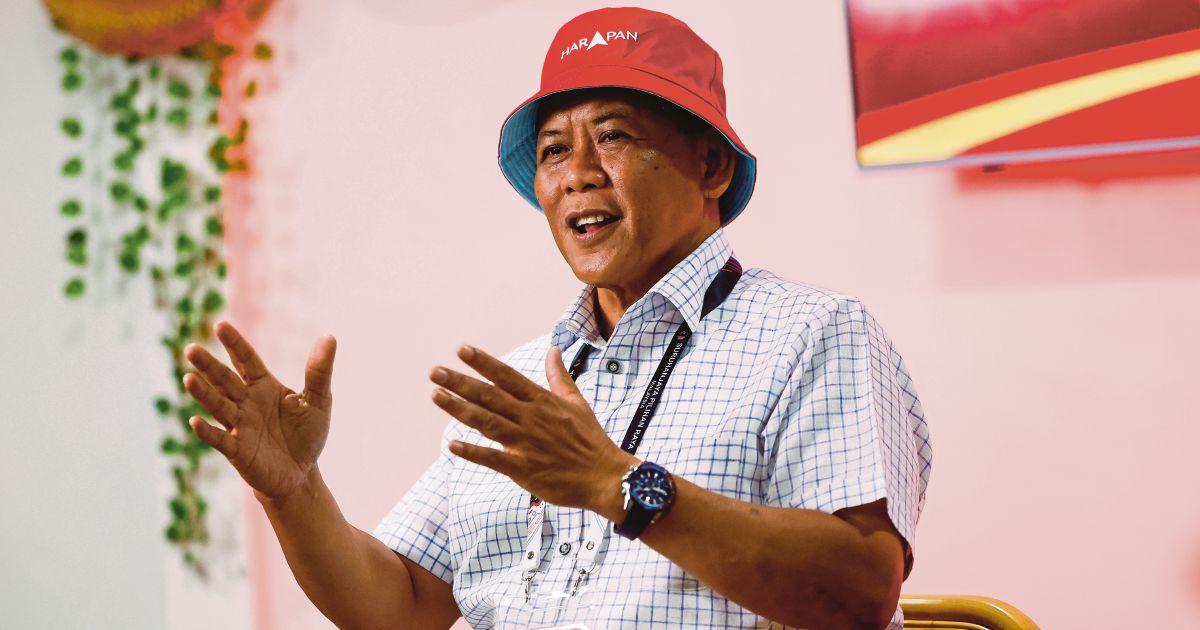
Port Dickson: Caretaker Negri Sembilan Menteri Besar Datuk Seri Aminuddin Harun is pinning his electoral hopes for the Linggi constituency on the accomplishments delivered by his state administration, believing these concrete results will persuade voters to endorse him in tomorrow's 16th state election. The appeal to voters on the basis of proven governance represents a shift from purely personality-driven or rhetoric-focused campaigns, grounding the pitch instead in tangible deliverables that constituents can point to in their daily lives.
In state elections across Malaysia, the track record argument has become increasingly significant as voters grow more pragmatic about which parties and candidates can translate promises into reality. For Aminuddin, this strategy requires his administration to have measurably improved conditions in key areas that matter most to Linggi residents—infrastructure, employment, education, healthcare services, and community welfare. By emphasizing what has already been accomplished rather than future pledges, the caretaker Menteri Besar seeks to demonstrate competence and follow-through, qualities that build trust among swing voters who have witnessed years of broken campaign commitments.
Linggi, one of Negri Sembilan's significant constituencies, encompasses Port Dickson and surrounding areas that have seen both industrial development and residential expansion in recent years. The demographics of the constituency reflect a mix of urban professionals, working-class families, and long-established rural communities, each with distinct priorities and concerns. For urban voters, connectivity, business-friendly policies, and job creation become paramount. For rural and working-class constituents, subsidies, infrastructure connectivity, and social safety nets rank higher. A governing record that addresses these varied needs simultaneously positions the incumbent advantageously.
Aminaddin's confidence in the state government's achievements suggests his administration has documented improvements across these sectors, whether through development projects completed, jobs created, or services expanded. Negri Sembilan, historically an economically significant state given its manufacturing base and proximity to Kuala Lumpur, has faced the challenge of maintaining competitiveness while managing rapid urbanization. Infrastructure projects, business incentives, and human capital development have likely featured prominently in the state government's agenda over the past term.
The political context in Negri Sembilan adds nuance to this campaign approach. The state has witnessed coalition shifts and realignments, with voters becoming more discerning about which government actually delivers returns on their electoral investment. An incumbent administration seeking re-election faces scrutiny not just on promises but on results measurable against previous terms. This places Aminuddin in a position where his argument must survive detailed voter fact-checking, making a records-based strategy both necessary and potentially risky if implementation has faltered anywhere.
Across Southeast Asia, state and provincial elections often serve as barometers for national sentiment, and Malaysia's state polls are no exception. Negri Sembilan's 16th election will send signals about voter preferences regarding governance styles, coalition politics, and development priorities. If Aminuddin's track record argument succeeds in Linggi, it suggests voters reward competence and delivery. If it falters despite claimed accomplishments, it indicates either that communication of achievements has been inadequate or that voters' assessment of performance differs from the government's.
For Malaysian readers and observers, this election represents an opportunity to evaluate how state governments balance multiple constituencies with competing interests. The Linggi campaign pitch—elect us because of what we have done—reflects a maturation in electoral discourse away from purely personality-centered politics. It also implies a recognition that modern voters, particularly in developed constituencies near urban centers, possess information and experience to judge performance claims independently.
The importance Aminuddin places on governmental accomplishments also reflects pragmatic campaigning. In a competitive electoral environment, abstract policy discussions or partisan rhetoric often carry less weight than concrete examples residents can relate to—a completed road, a new school, a successful local business venture supported by state policy. By anchoring his campaign in these tangibles, the caretaker Menteri Besar attempts to move the conversation from ideology toward outcomes.
However, leveraging a track record successfully requires more than merely asserting achievement. Campaigns must demonstrate how specific policies and projects have directly benefited voters in targeted constituencies. Linggi residents will assess whether development resources reached them equitably, whether employment opportunities materialized for local youth, and whether service quality improved measurably. The effectiveness of Aminuddin's strategy ultimately depends on these specifics rather than general claims of competence.
For the broader Malaysian political landscape, this election will test whether state governments can successfully defend incumbency on performance grounds, a question relevant as the country navigates post-pandemic recovery and economic restructuring. Results in Negri Sembilan may influence how other state and federal leaders frame their own electoral campaigns, potentially normalizing governance-centered rather than emotionally-driven political discourse. The outcome in Linggi will provide data on whether Malaysian voters increasingly reward administrative competence and sustained delivery.

