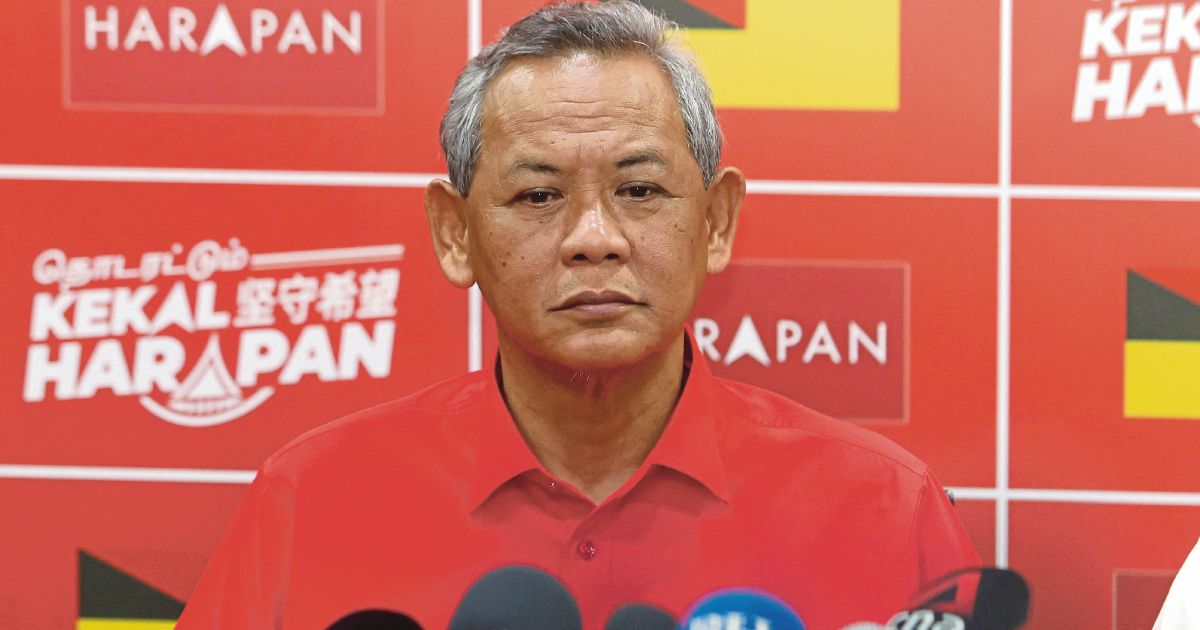
Datuk Seri Aminuddin Harun, who previously served as menteri besar of Negeri Sembilan, has signalled his readiness to relinquish his position as chairman of the state chapter of Parti Keadilan Rakyat in the aftermath of the party's performance in the recent state election. His willingness to vacate the post reflects broader developments within PKR's state machinery following what was widely viewed as an electoral disappointment.
The timing of Aminuddin's statement carries significance within the context of PKR's broader organisational restructuring efforts. Leadership transitions at the state level often signal attempts by the national party to recalibrate its approach and address grassroots concerns that may have contributed to electoral underperformance. For Negeri Sembilan, a state where PKR has maintained considerable political influence, any change in the state party hierarchy could reshape the power dynamics within the party's decision-making structures.
Aminuddin's tenure as menteri besar left a substantial imprint on Negeri Sembilan's political landscape. His administration oversaw various state initiatives and policy implementations that defined his executive period. The transition from his executive role to a party leadership position reflects the common trajectory of senior politicians in Malaysia, where political careers frequently oscillate between government and party machinery responsibilities.
The recent state election results appear to have prompted internal reflection within PKR regarding its strategic positioning and messaging in Negeri Sembilan. Aminuddin's readiness to step aside suggests the party is contemplating fresh approaches to reconnect with voters and rebuild momentum in the state. Such transitions frequently accompany broader party reviews aimed at identifying where campaigns faltered and how organisational structures might be optimised for future electoral contests.
For the wider PKR membership, Aminuddin's willingness to step down demonstrates institutional mechanisms for leadership accountability and renewal. In Malaysian political culture, where many senior figures retain their positions despite electoral setbacks, voluntary resignations serve as notable statements about personal responsibility and party interests. This approach may also facilitate the emergence of alternative leadership voices within the state chapter, potentially bringing fresh perspectives and renewed energy to PKR's state operations.
Negeri Sembilan's political significance extends beyond its individual state composition. As a state where PKR has previously demonstrated electoral strength, developments there are closely monitored by the party's national leadership. Any realignment in state-level leadership structures could influence PKR's broader strategic calculations across other state chapters and the peninsula's political trajectory more broadly. The state remains a crucial battleground in PKR's efforts to maintain and expand its political footprint in Malaysia's federal politics.
The party's recent electoral performance in Negeri Sembilan requires contextualisation within the broader competitive landscape of Malaysian state politics. Various factors—from local grievances to national sentiment—combine to shape electoral outcomes. PKR's leadership, having absorbed these results, appears determined to undertake necessary organisational adjustments rather than maintaining status quo arrangements. Aminuddin's position as a respected senior figure lends weight to any leadership transition, signalling that such changes enjoy endorsement from established party stalwarts.
Looking ahead, Aminuddin's potential departure from the state chairmanship raises questions about succession planning within PKR's Negeri Sembilan hierarchy. The party will need to identify candidates capable of revitalising party structures, rebuilding voter confidence, and positioning PKR competitively in future electoral cycles. The selection process will likely balance factional interests, generational considerations, and the need for figures perceived as capable administrators and effective campaigners.
For Malaysian voters and political observers, Aminuddin's situation underscores the fluid nature of contemporary Malaysian politics, where electoral outcomes increasingly translate into leadership changes at multiple organisational levels. This pattern reflects growing voter expectations regarding accountability and adaptive governance. PKR's willingness to facilitate such transitions may enhance party credibility among constituents seeking evidence of genuine self-assessment and renewal within political movements.
The broader implications for Negeri Sembilan politics are considerable. With potential changes in PKR's state leadership, the political configuration within the state could shift, affecting alliances, coalition dynamics, and voter expectations heading into future electoral contests. PKR's success in identifying and empowering new leadership will significantly determine whether the party successfully rebounds from recent electoral disappointment or faces continuing challenges in reconnecting with the state's electorate.

