Depositors in Tabung Haji should sustain their confidence in the institution, financial analysts said today, emphasizing that comprehensive recovery initiatives are actively being pursued to protect savings held with Malaysia's pilgrimage fund. The reassurance comes as various experts weigh in on the implications of the recently publicized Royal Commission of Inquiry report, which detailed operational challenges spanning the 2014–2020 period but revealed an institution taking concrete corrective action.
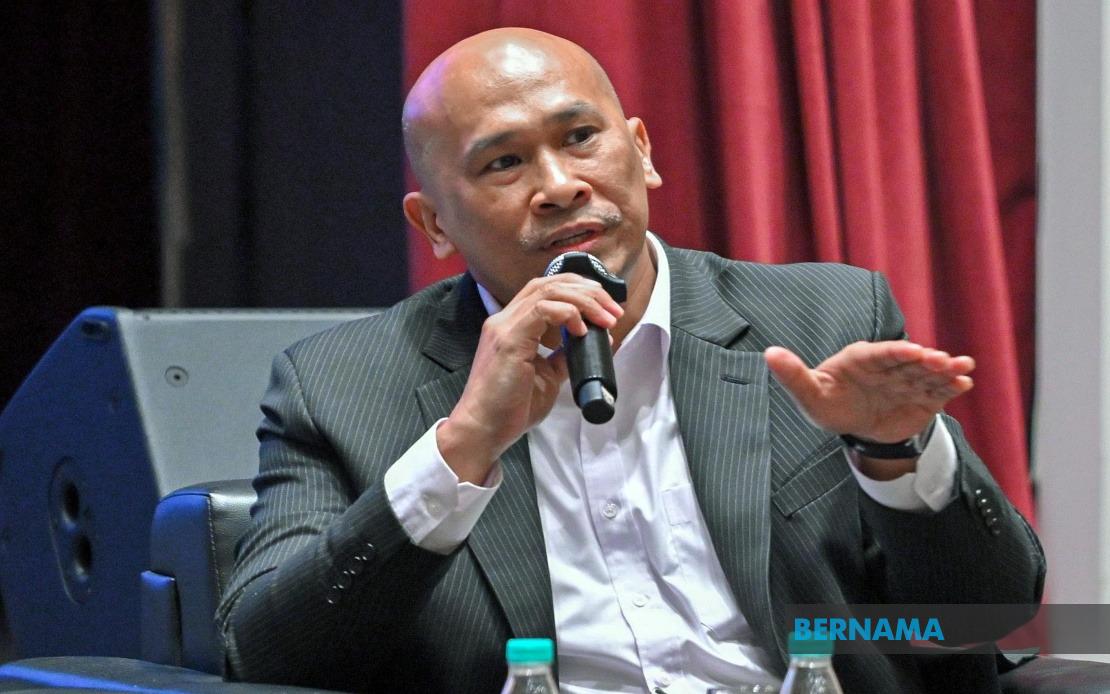
Dr Mohd Afzanizam Abdul Rashid, chief economist at Bank Muamalat Malaysia Bhd, underscored that the grievances documented in the Royal Commission inquiry were not entirely novel to the public domain. He pointed out that management has been addressing these matters through systematic recovery programmes that are already demonstrating measurable improvement, particularly reflected in the institution's strengthened financial standing. The economist highlighted that Tabung Haji has maintained positive net assets—meaning total assets minus liabilities—for five consecutive years through 2023, with consistent upward momentum in this metric.
The timing of the Royal Commission report's public disclosure in late July carries particular significance, according to analysts. Although the inquiry concluded in 2022, the 211-page document was only released to the public on July 29, sparking renewed scrutiny of the pilgrimage fund's operations. Dr Afzanizam characterised this as a matter of documentation release rather than new revelations, suggesting that much of what the report contains had already been acknowledged and tackled through various institutional reforms. By July 30, he noted, Tabung Haji had implemented approximately 75 per cent of the 25 recommendations contained in the commission's findings.
Governance improvements figure prominently in the recovery narrative. Dr Afzanizam identified leadership restructuring and managerial reforms as critical areas requiring sustained attention within Tabung Haji. These changes represent part of a broader institutional evolution aimed at preventing the missteps documented in the inquiry report. The economist stressed that assessment of Tabung Haji's performance should not be confined to financial metrics alone, despite the importance of maintaining robust accounts and liquidity positions.
Beyond balance sheets, Tabung Haji's operational credibility extends to its management of hajj logistics and pilgrimage services. Dr Afzanizam highlighted the institution's durable reputation in Saudi Arabia and its collaborative relationship with the Saudi Arabian government as major assets that warrant depositor confidence. These international relationships have proved instrumental in securing favourable hajj quota allocations for Malaysian pilgrims, a tangible benefit that underscores the fund's broader social and religious value to the Muslim community.
Perceptions of Malaysian pilgrims in Saudi Arabia have remained consistently positive, according to the economist, a reflection of the discipline and guidance standards maintained by Tabung Haji's operations. Those who have undertaken hajj or umrah journeys, he suggested, can attest to the regard with which Saudi authorities hold Malaysian pilgrims. This standing translates into practical advantages for future pilgrims seeking to undertake their religious obligations, cementing Tabung Haji's role beyond mere financial intermediation.
Mohd Hafiz Abd Hamid, secretary-general of IKRAM Malaysia, offered a complementary perspective that reframes how Tabung Haji should be understood by its depositors. He cautioned against viewing the institution purely as a conventional savings vehicle, emphasizing instead its profound significance as a custodian of Muslim aspirations to perform the hajj. This characterisation places governance and depositor protection in a wider spiritual and communal context. The responsibility incumbent on Tabung Haji management, according to Hafiz, extends beyond financial stewardship to safeguarding the emotional and religious investments depositors place in the institution.
The challenge facing management is to ensure that public confidence remains unshaken despite revelations of past shortcomings. Hafiz underlined that all tiers of Tabung Haji's leadership must work cohesively to maintain the trust that underpins the institution's social contract with depositors. The disclosure of inquiry findings, while potentially concerning, offers an opportunity to demonstrate institutional responsiveness and transparency.
Among individual depositors, confidence appears to be holding steady. Nooraishah Wahab, a 57-year-old housewife and depositor, stated that the Royal Commission report's public unveiling has not shaken her commitment to maintaining savings with Tabung Haji. She expressed hope that management would continue prioritizing depositor protection and institutional trustworthiness. Such household-level resilience suggests that ordinary Malaysians remain persuaded by the recovery narrative.
The Royal Commission's recommendations, now substantially under implementation, address weaknesses in institutional management and operational procedures that characterised the period under review. The relatively high adoption rate of recommendations indicates management responsiveness to the inquiry's findings. However, completeness of implementation across all 25 recommendations will require ongoing vigilance and may determine whether public confidence translates into continued patronage.
For regional context, Tabung Haji's recovery reflects broader challenges confronting Islamic financial institutions navigating governance reform and international regulatory expectations. The institution's experience offers lessons relevant to similar pilgrimage funds and Islamic savings vehicles across Southeast Asia. How Tabung Haji emerges from this period of scrutiny may influence depositor behaviour in comparable institutions across the Muslim world.
Moving forward, analysts suggest that transparent communication from management, continued measurable progress on recovery initiatives, and sustained international relationships will be essential to consolidating depositor confidence. The institution's performance in the coming years will test whether past weaknesses have been genuinely rectified or whether deeper structural challenges persist beneath the surface of improved financial metrics.

