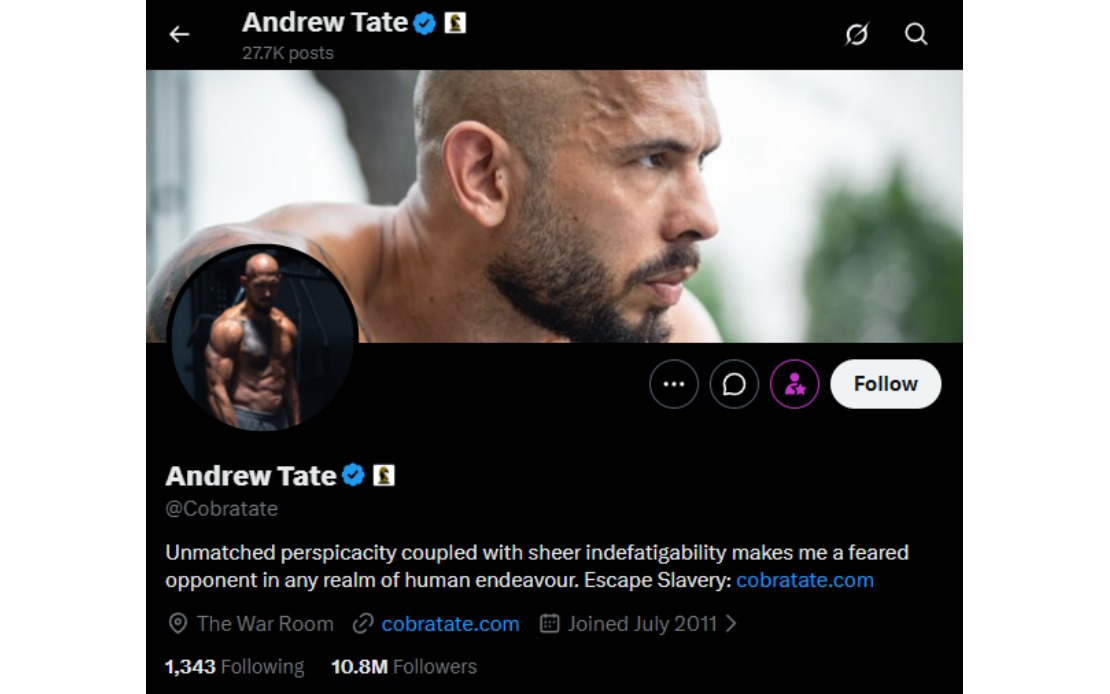
The arrest of Andrew Tate and his brother Tristan in Miami represents a significant development in a legal saga that has drawn international attention and sparked debate about accountability for prominent social media personalities. The US Marshals Service confirmed on Saturday that both men were taken into custody, acting on new charges filed by Britain's Crown Prosecution Service. The move underscores the cross-border nature of modern legal enforcement and highlights how jurisdiction complications can complicate proceedings against high-profile individuals with global digital influence.
British prosecutors' decision to file fresh rape and sex-trafficking charges against the Tate brothers signals an intensification of investigative efforts that have been ongoing in the United Kingdom. The Crown Prosecution Service's involvement indicates that authorities have gathered sufficient evidence to proceed with formal accusations beyond preliminary inquiries. Such charges carry serious legal consequences and reflect the severity with which British law enforcement is treating the allegations. The filing of charges in London, coupled with coordinated arrest action in the United States, demonstrates international cooperation between law enforcement agencies determined to pursue the case wherever the accused may be located.
The apprehension of the brothers in Miami, rather than in the United Kingdom where initial investigations began, adds another layer to their legal predicament. The involvement of the US Marshals Service suggests that American authorities had been informed of the charges and were prepared to act should the brothers appear within US jurisdiction. This coordination between British prosecutors and American enforcement agencies illustrates how digital-age crimes that often transcend borders require sophisticated international cooperation to bring suspects to justice. The brothers' movements between countries and their substantial social media followings across multiple continents have made managing their legal circumstances a complex, multi-jurisdictional challenge.
Andrew Tate in particular has cultivated a significant and controversial online presence, with his content and public statements generating both devoted followers and considerable criticism. His influence among younger audiences, particularly men interested in his perspectives on relationships, wealth-building, and lifestyle, has made him a polarizing figure in digital spaces. The charges now brought against him represent a stark contrast to the image of success and authority he has presented online. For his followers and supporters, the allegations may challenge their perception of the figure they have looked to for guidance and inspiration.
The legal implications extend beyond the brothers themselves, touching on broader questions about content moderation, platform responsibility, and the oversight of influential figures who operate primarily through digital channels. Social media companies have faced increasing pressure to address controversial creators and content that violates community standards, yet the responsibility for investigating and prosecuting serious criminal allegations remains with law enforcement and judicial systems. The case of the Tate brothers illustrates the limitations of platform-based enforcement mechanisms when confronting allegations of serious criminal conduct.
For Malaysian readers and Southeast Asian audiences, the arrest carries relevance beyond mere celebrity news. The region has substantial youth populations active on social media, and many have been exposed to content from prominent digital personalities like Tate. The legal developments may prompt discussions about critical media literacy and the importance of questioning the authenticity and ethics of influential figures encountered online. Educational institutions and parents across the region may use the situation as a teaching moment about evaluating sources and exercising skepticism toward those promising easy solutions or promoting questionable worldviews.
The detention of the Tate brothers also raises questions about the appropriate responses to allegations against wealthy and connected individuals. The coordination between American and British authorities suggests that neither jurisdiction intends to allow the brothers' resources or international mobility to impede proceedings. The case demonstrates that modern law enforcement possesses tools and international agreements that enable pursuit of suspects across borders, a development that contrasts with earlier eras when geography offered greater protection to fugitives.
Legal experts anticipate that extradition proceedings may become necessary if the brothers wish to contest the charges or if the cases proceed through the American judicial system. Such processes typically require extensive documentation, hearings, and considerations of whether charges meet the legal threshold for extradition between nations with shared legal frameworks. The brothers will likely seek experienced legal representation and may mount vigorous defenses against the allegations, potentially prolonging proceedings and generating additional legal complexities.
The broader context of the arrests encompasses questions about accountability for influential individuals in digital spaces, the strength of international law enforcement cooperation, and the role of persistent investigative work in bringing serious allegations to prosecution. As the cases develop through the respective legal systems, they will likely continue to generate discussion about online influence, personal responsibility, and the consequences that may eventually catch up with those accused of grave wrongdoing, regardless of their social media prominence or accumulated wealth.

