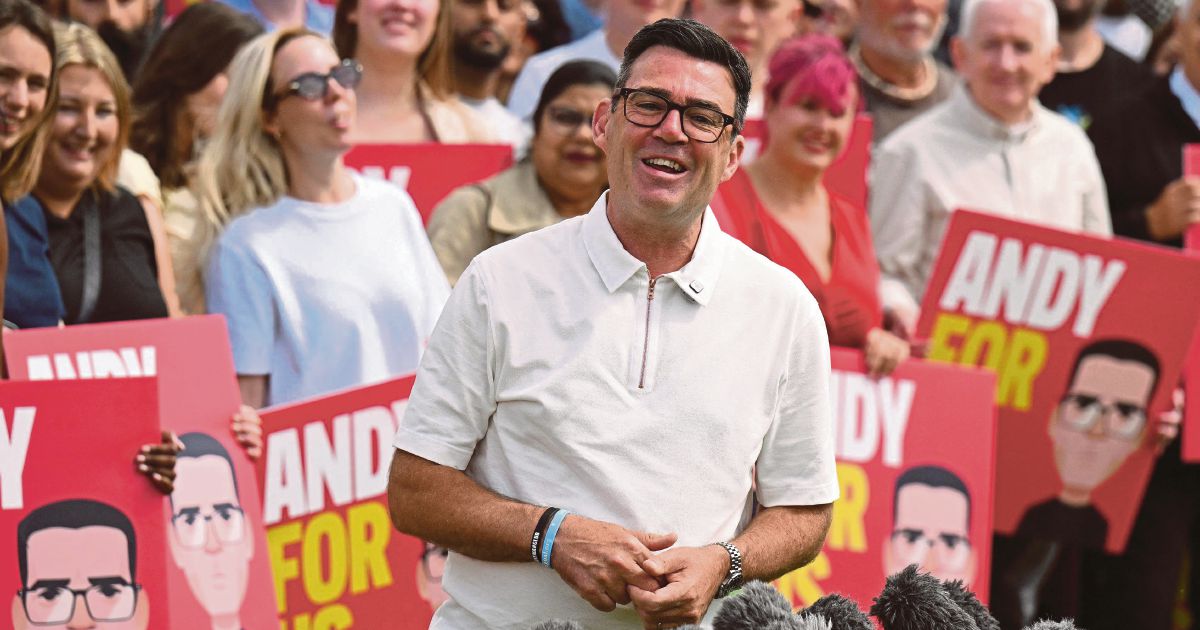
Andy Burnham, the political figure long associated with championing the interests of northern England, has assumed the office of Prime Minister on Monday, marking the seventh occupant of the position in a single decade. His ascension represents a significant moment in British politics, particularly given his background as an outspoken advocate for regional inequality and his reputation for challenging Westminster's southern-centric policymaking. The transition underscores the accelerating instability within British political leadership, with the premiership cycling through holders at an unprecedented rate in recent democratic history.
Burnham's appointment comes amid mounting public dissatisfaction with the state of the nation's economy and essential services. His central campaign message centres on the concept of "rewiring" Britain—a comprehensive restructuring aimed at realigning governmental priorities towards matters that directly affect household finances and everyday functioning. This rhetorical framing suggests a departure from previous administrations' policy emphases, indicating an intention to redirect focus from abstract economic metrics towards tangible improvements in citizens' lived experiences.
The cost-of-living crisis remains at the forefront of national concern, with households across the United Kingdom continuing to grapple with elevated energy bills, food inflation, and stagnant wage growth. Burnham's elevation reflects widespread voter frustration with the previous government's handling of these economic pressures. His platform explicitly acknowledges this struggle, positioning itself as responsive to ordinary people's circumstances rather than disconnected from their material concerns. This populist positioning holds particular resonance given that much of Britain, especially beyond London and the southeast, continues experiencing financial strain.
Beyond economic matters, Burnham's agenda encompasses reform of public service delivery across multiple sectors. The National Health Service, burdened by chronic underfunding and staffing shortages, represents one critical area demanding attention. Similarly, education, transport infrastructure, and local government services have all deteriorated under years of austerity measures and budgetary constraints. Burnham's commitment to service improvement addresses a genuine governance challenge that has accumulated over successive administrations, suggesting his incoming government recognises these deficiencies demand systematic rather than incremental solutions.
The designation "King of the North" reflects Burnham's distinctive political positioning as an advocate for northern English interests within a Westminster system historically dominated by southern power structures. His tenure as Mayor of Greater Manchester established him as a credible voice for regional concerns, and his willingness to challenge central government policies gained him considerable credibility among constituencies outside the capital. This background distinguishes him from predecessors who emerged through more conventional Westminster pathways, potentially signalling a recalibration in how central government relates to provincial communities.
For Southeast Asian observers and Malaysian policymakers, Burnham's ascension offers instructive parallels regarding regional inequality and governance responsiveness. Malaysia, with its own significant disparities between Klang Valley concentration and peripheral states, might consider how Westminster's attempt to rebalance regional power translates into practical policy outcomes. The emphasis on cost-of-living pressures similarly resonates across Asia-Pacific economies confronting inflationary challenges and shrinking household purchasing power.
The rapid succession of British prime ministers over the past decade—itself a reflection of deep institutional and political dysfunction—raises questions about governance stability and policy continuity. Burnham inherits not merely a list of pressing problems but a political system demonstrating alarming vulnerability to frequent leadership transitions. Whether his "rewiring" agenda can establish sufficient stability for meaningful long-term reform remains uncertain, particularly given the apparent fragmentation within British political parties and the electorate's demonstrated frustration with incumbent governments.
Burnham's incoming administration faces immediate pressures to demonstrate tangible progress on promised priorities. The public has encountered numerous pledges for fundamental change during recent electoral cycles, with variable success in implementation. His credibility partly depends on translating campaign rhetoric about rewiring Britain into concrete policy measures—whether reformed healthcare funding mechanisms, genuine infrastructure investment in underserved regions, or fiscal policies genuinely alleviating household financial strain. The gap between campaign promises and governing capacity will ultimately determine public perception of his premiership.
The international dimension of Burnham's tenure deserves consideration, particularly regarding Britain's positioning in global affairs and economic relationships. Trade arrangements, security partnerships, and diplomatic influence continue requiring executive attention regardless of domestic priorities. His administration must simultaneously address pressing internal governance challenges while maintaining Britain's international commitments and relationships, a balancing act that has proven difficult for predecessors navigating post-Brexit complications and evolving geopolitical tensions.
Burnham's rise also signals potential shifts in how Labour approaches regional development and devolved governance structures. His northern background and mayoral experience suggest comfort with collaborative rather than purely centralised policy approaches. This orientation could reshape relationships between Westminster and local authorities, particularly across England's economically struggling regions, though implementation challenges and resource constraints may limit ambitions.
The coming months will reveal whether Burnham's "rewiring" agenda represents genuine transformative intent or sophisticated political messaging without substantial institutional backing. His administration's first budgetary decisions, service delivery announcements, and regulatory initiatives will provide clearer indication of priorities and capability. British politics' demonstrated volatility suggests that maintaining momentum for change while managing competing demands remains extraordinarily challenging, regardless of a prime minister's personal commitment to reform.

