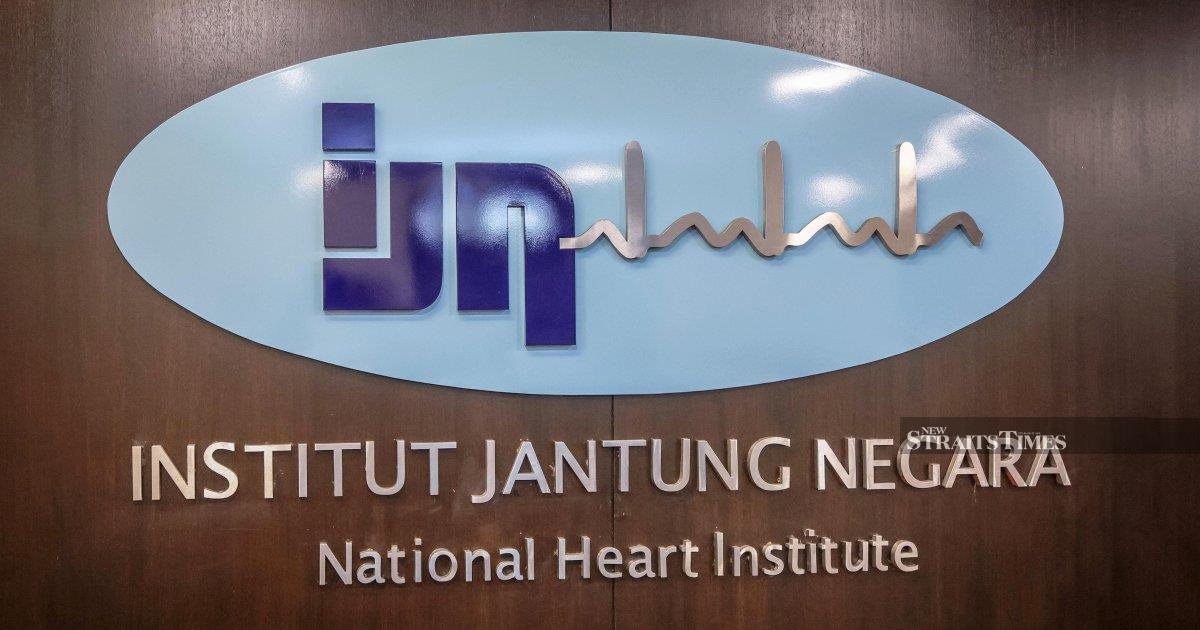
Prime Minister Datuk Seri Anwar Ibrahim and his spouse, Datuk Seri Dr Wan Azizah Wan Ismail, made a personal visit to Deputy Prime Minister Datuk Seri Fadillah Yusof at the National Heart Institute (IJN) in Kuala Lumpur, underscoring the collegial bonds within Malaysia's cabinet leadership.
The visit reflects the continued coordination and mutual support among senior members of the administration, particularly given the strategic importance of the Deputy Prime Minister's portfolio in managing governmental affairs and party alliances. Such gestures of solidarity between the nation's top two political executives carry symbolic weight in Malaysia's complex coalition politics, where maintaining public displays of unity helps stabilise the broader political framework.
Fadillah Yusof, who represents Sarawak's Muar constituency and serves as a senior figure within Gabungan Parti Sarawak (GPS), occupies a pivotal role in the federal government. His position as DPM places him in the succession chain and makes him essential to the functioning of ministerial committees and cross-party coordination mechanisms that keep the broader coalition intact.
The National Heart Institute, situated in the capital's medical precinct, is one of Southeast Asia's leading cardiac care facilities. It serves as a tertiary referral centre for complex heart conditions and has established itself as a centre of excellence in interventional cardiology and cardiac surgery throughout the region.
Personal visits by high-ranking officials to hospitalised colleagues have traditionally held considerable significance in Malaysian political culture. They serve multiple functions—conveying genuine concern for a minister's wellbeing, reinforcing public confidence in government continuity, and demonstrating to party members and coalition allies that the administration remains cohesive even when key figures face health challenges.
The inclusion of Wan Azizah in the hospital visit carries particular resonance. As a prominent politician in her own right and former Deputy Prime Minister, her participation amplifies the message of concern and solidarity emanating from the Prime Minister's office. Her presence underscores the government's commitment to honouring the personal dimensions of public service alongside its institutional functions.
For Malaysian observers monitoring cabinet dynamics, such visits offer barometers of governmental stability. In multiparty coalition governments like Malaysia's, where delicate balance between different ethnic-based and regional parties must be maintained, visible expressions of unity among senior leadership help reassure both domestic audiences and international observers about the resilience of the administration.
The timing and nature of such visits also carry diplomatic implications within the broader Southeast Asian context. Malaysia's regional standing benefits when its government presents images of internal coherence and effective succession planning, particularly given the nation's role in regional economic and security frameworks.
Fadillah's tenure as Deputy Prime Minister has been marked by active engagement in various policy domains, from infrastructure development to energy security—portfolios that remain critical to the nation's economic trajectory. Any extended absence of such a senior figure from active governmental duties creates operational vacancies that must be managed carefully across the cabinet structure.
The gesture of visiting an ailing colleague at a hospital also reflects broader Malaysian values concerning respect for hierarchical relationships and acknowledgment of personal hardship. In the Malaysian context, where Confucian and Islamic traditions both emphasise duty and compassion within institutional frameworks, such visits resonate deeply with public expectations of how leaders should conduct themselves.
Governmental continuity remains a central concern for any administration managing complex economic and social challenges. The Prime Minister's office must simultaneously project confidence in its ability to function during any minister's absence while demonstrating genuine human concern for that individual's recovery and wellbeing.

