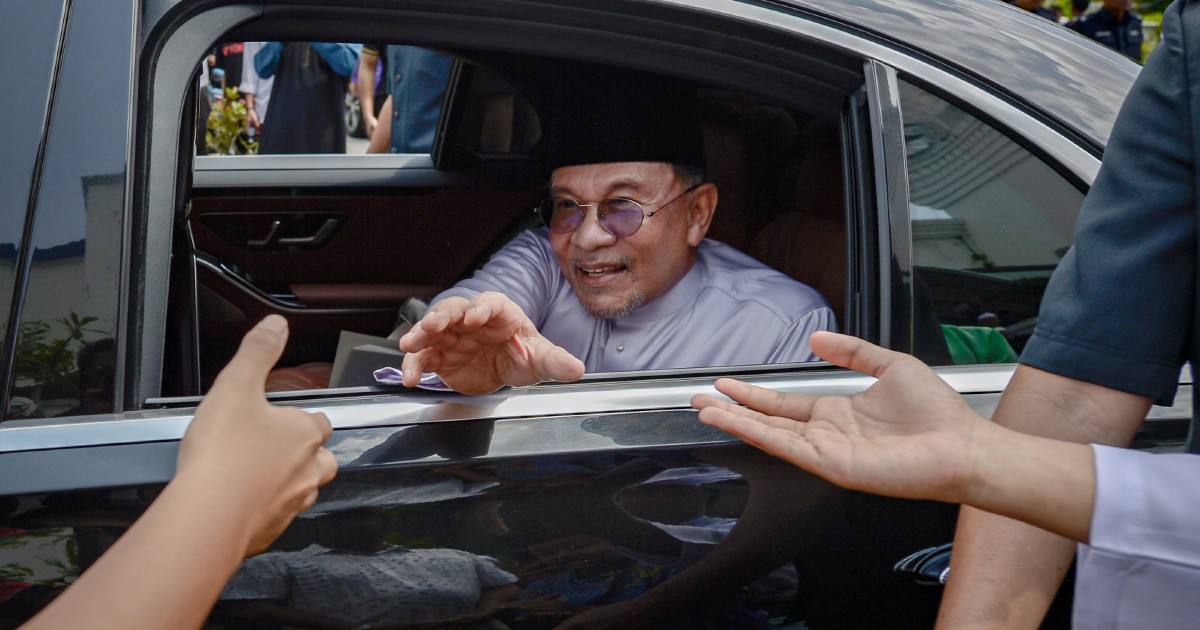
Prime Minister Datuk Seri Anwar Ibrahim is expected to intensify campaigning across Negri Sembilan, underscoring the coalition's determination to strengthen its political standing during the ongoing state election cycle. The move reflects the coalition's strategy to deploy senior national figures in key battlegrounds, with the Prime Minister personally engaging voters and party machinery to consolidate support ahead of polling day.
The decision to dispatch Anwar to the state signals that Pakatan Harapan considers Negri Sembilan a strategic priority. State-level elections in Malaysia have historically served as important indicators of national political sentiment, with strong performances bolstering a coalition's narrative of broad-based electoral endorsement. For the federal government, securing or expanding Negri Sembilan's representation carries symbolic weight that extends beyond the state's legislative seats.
Anwar's ground presence represents a shift towards direct voter engagement, moving beyond traditional media and online channels to build personal connections with constituents. Prime ministerial campaign appearances typically generate significant media coverage and convey a sense of urgency about election outcomes to party members, volunteer networks, and supporters who often respond to cues from national leadership. The timing and frequency of such visits often influence grassroots mobilisation efforts across affiliated parties and civil society organisations sympathetic to the coalition.
Negri Sembilan's electoral dynamics have traditionally reflected broader peninsular political trends, making the state a crucial test of coalition viability. The constituency-by-constituency composition shapes how national political narratives translate into local voting patterns. Pakatan Harapan's performance in the state will provide data on the coalition's penetration among different demographic groups and geographic areas, information valuable for strategic planning beyond the current election cycle.
The campaign appears designed to counter opposing narratives and consolidate wavering support among constituencies where the coalition's hold remains contested. High-profile campaign appearances by the Prime Minister often serve multiple purposes simultaneously: energising party cadre, attracting media attention to coalition messaging, and demonstrating that national resources and political capital are being invested in particular contests. Such visibility can either build momentum or, if electoral conditions deteriorate, become a liability for the government.
Pakatan Harapan's coalition structure depends on maintaining internal cohesion while presenting unified electoral messaging. Different component parties bring distinct voter bases and regional strengths to the coalition, requiring careful choreography of campaign activities to balance visibility with inclusivity. Anwar's appearances must simultaneously serve the broader coalition narrative while accommodating the specific interests and credibility of state and local party structures.
The state election occurs within a broader political landscape shaped by economic performance, cost-of-living pressures, and public perceptions of governance effectiveness. Voters in Negri Sembilan, like elsewhere in Malaysia, weigh coalition performance against perceptions of competence and ability to address tangible concerns. Campaign messaging that addresses local developmental priorities, infrastructure investment, and service delivery will likely feature prominently in Anwar's visits, as these issues consistently rank among voter concerns.
Opposition parties will undoubtedly seek to exploit any messaging inconsistencies or perceived failures in implementation at state or federal level. Competitive state elections intensify scrutiny of government performance, with opposition figures highlighting shortcomings and presenting alternative visions. Pakatan Harapan's campaign must therefore balance promotional messaging about achievements with preemptive responses to anticipated criticisms regarding economic management, development allocation, and administrative effectiveness.
The campaign effort reflects broader strategic considerations about maintaining political momentum. Regular electoral contests across Malaysia's federal system mean that political parties engage in continuous campaigning cycles, with state elections providing platforms to build narrative advantages applicable to future national contests. Success in Negri Sembilan contributes to political credibility that influences perceptions of government capacity and coalition viability beyond the immediate state context.
Anwar's personal engagement in Negri Sembilan also tests his ability to connect with diverse voter bases and consolidate support across different demographics and geographic regions. Prime ministerial campaign performance often becomes part of broader assessments of political leadership, contributing to narratives about whether the national administration enjoys genuine popular mandate or faces erosion of electoral support. How these Negri Sembilan engagements are received and reported will shape political commentary extending well beyond the state election itself.

