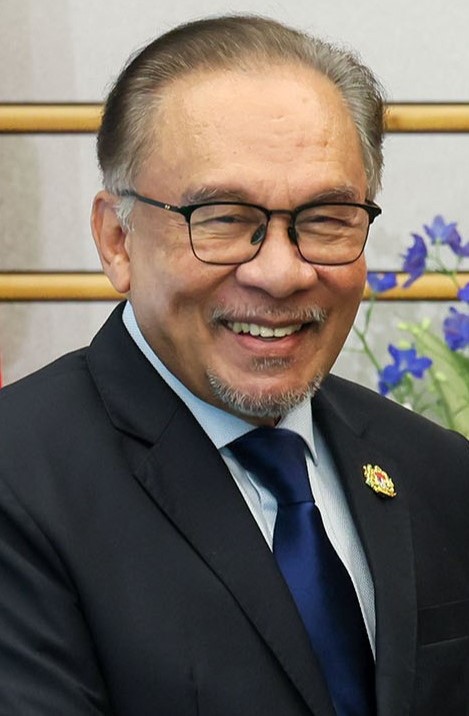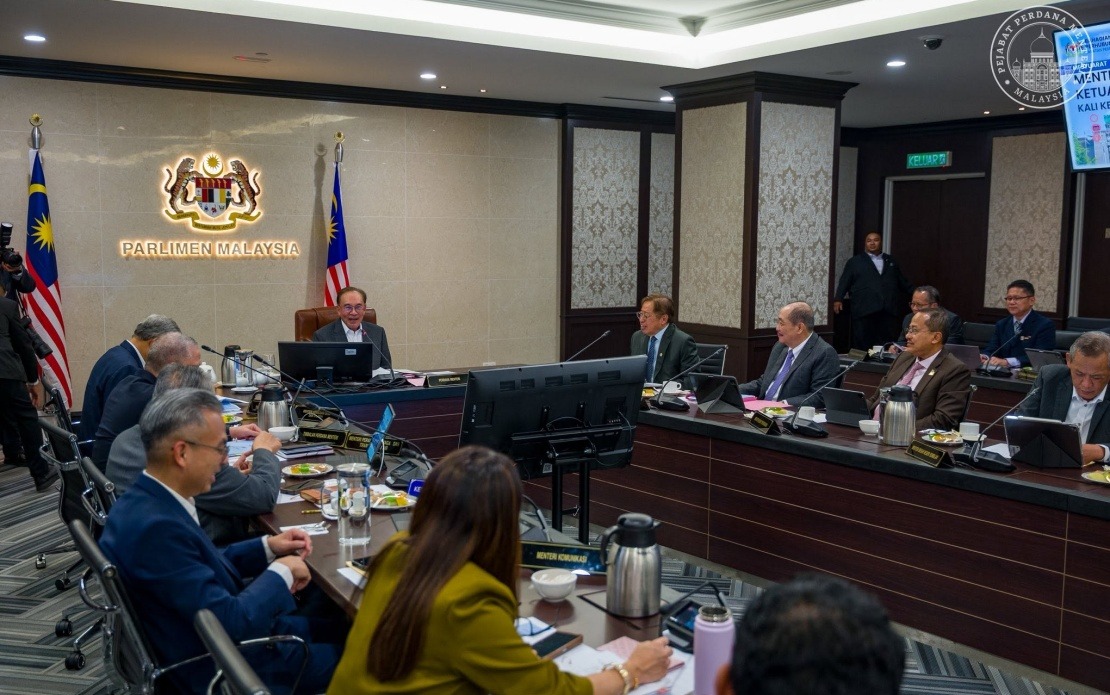
Prime Minister Datuk Seri Anwar Ibrahim convened the 149th Meeting of Menteris Besar and Chief Ministers at the Parliament Building in Kuala Lumpur on June 23, assembling state leaders to chart a coordinated response to mounting economic and environmental pressures facing the nation. The gathering represented a significant effort to maintain alignment between federal and state governments on critical policy matters affecting ordinary Malaysians at a time when external shocks and domestic challenges demand careful coordination.
The centrepiece of discussions involved strategies to reinvigorate Malaysia's economy as it navigates turbulent global conditions. The conflicts engulfing West Asia have rippled through international markets, creating uncertainty that threatens export-dependent economies like Malaysia. State leaders and federal ministers examined how to sustain growth, protect key sectors, and position the country attractively for foreign direct investment despite these headwinds. The emphasis on drawing quality investments rather than quantity reflects Malaysia's ambition to move up the value chain in manufacturing and services.
Beyond immediate economic concerns, the meeting devoted substantial attention to climate and environmental risks that could undermine agricultural productivity and food security across the nation. El Niño, a naturally occurring climate pattern expected to intensify in the coming period, poses genuine threats to water availability, crop yields, and overall food stability. Malaysia, despite its tropical rainfall, remains vulnerable to drought conditions that El Niño can trigger, particularly in specific regions. State governments, which oversee agriculture and water resources, required detailed briefings on national preparedness frameworks and their role in implementing preventive measures.
The anticipated climatic disruptions extend beyond agriculture into public health and quality of life. El Niño events historically correlate with increased haze pollution across Southeast Asia, affecting air quality and respiratory health. Extreme heat waves become more probable, straining energy infrastructure and cooling systems. These cascading effects demand careful planning across health, utilities, and disaster management sectors. By bringing state leaders into these deliberations, the federal government attempted to ensure local expertise and ground-level knowledge inform national climate adaptation strategies.
Anwar's public characterisation of the meeting emphasised three interlocking priorities: policy coherence, operational efficiency, and constituent welfare. He stressed that initiatives must operate in an integrated manner rather than in disconnected silos, a perennial challenge for any federal system managing multiple administrative layers. The push for efficiency reflects frustration with bureaucratic delays and overlapping jurisdictions that sometimes plague development projects. Placing people-centric governance at the forefront signals an intention to maintain focus on how policies affect household incomes, employment, and living standards.
The articulation of these priorities also carries implicit acknowledgement that previous coordination mechanisms may not have functioned optimally. By bringing together all Menteris Besar and Chief Ministers in a unified forum, the administration sought to build consensus on direction, clarify expectations, and foster ownership of shared objectives. State leaders, who command significant political capital within their jurisdictions, can become powerful advocates for federal initiatives or obstacles to them depending on their engagement.
Anwar highlighted the spirit of consensus that emerged during proceedings, framing this as testament to the compatibility of federal and state interests when properly aligned. This language carries political significance, as ongoing tensions between Kuala Lumpur and certain state governments have occasionally surfaced in Malaysian politics. A successful meeting demonstrating unity sends reassuring signals to investors, bureaucrats, and citizens that the government retains internal cohesion despite its coalition complexity. The federal-state relationship, when functional, multiplies government effectiveness; when fractured, it creates implementation gaps that compromise policy outcomes.
The competitive positioning aspect merits particular attention for Malaysian observers. Strengthening economic competitiveness in a region where countries increasingly compete for manufacturing relocation, tech talent, and service sector dominance requires sustained effort. Thailand, Vietnam, and Indonesia represent alternative destinations for companies considering Southeast Asian bases. Malaysia's advantages in political stability, developed infrastructure, and educated workforce require constant reinforcement. Attracting investment becomes harder during periods of global uncertainty, making the state leaders' roles in projecting confidence and stability beyond the capital especially valuable.
The meeting's focus on comprehensive development benefits reflects governance philosophy that views development not as concentration of wealth in urban centres but as shared prosperity. This framing attempts to address persistent regional disparities and rural grievances that periodically surface in electoral outcomes. When state leaders return to their jurisdictions carrying commitments to equitable development, they gain tools to satisfy constituents demanding visible progress and resource allocation.
The convening of this 149th meeting also signified continuity in consultative governance structures, though the substance of discussions pointed toward evolving threats requiring adaptation. Past iterations addressed different priorities; this gathering reflected how global uncertainties and climate change had ascended policy agendas. The regularity of these meetings provides institutional memory and established channels for federal-state dialogue even amid political differences.
Moving forward, the test lies in implementation. Statements about integration, efficiency, and people-centric governance require translation into concrete programmes, resource allocation, and measurable outcomes. State governments must navigate between federal directives and local political pressures. The federal government must maintain momentum on initiatives even as global conditions shift. Success depends less on the rhetoric emanating from Parliament House than on how diligently officials across all levels execute coordinated strategies and whether ordinary Malaysians observe tangible improvements in economic opportunity and quality of life.