Prime Minister Datuk Seri Anwar Ibrahim has reaffirmed his administration's commitment to implementing the redelineation of Sarawak's State Legislative Assembly, directing the Election Commission to furnish an updated report on the proposed expansion of parliamentary seats. The matter was brought before the Cabinet during a recent meeting, where the Prime Minister outlined his intention to move forward with the initiative, signalling priority within the MADANI Government's agenda for institutional reform in Malaysia's largest state.
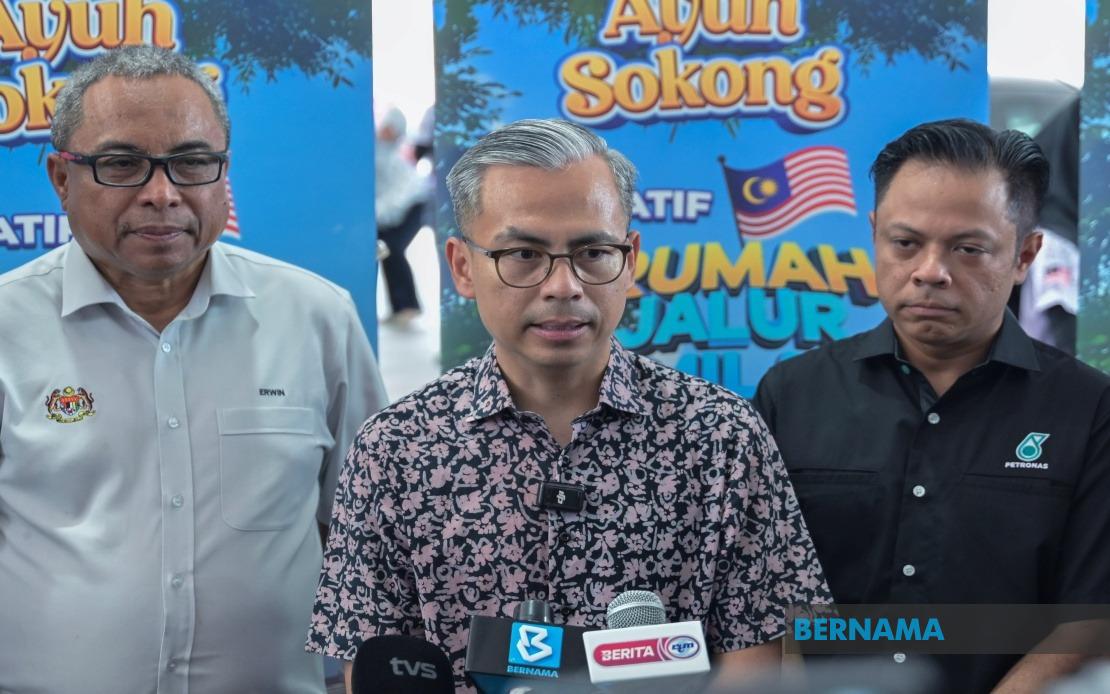
Government spokesman Datuk Seri Fahmi Fadzil confirmed that the Prime Minister has tasked the Election Commission with delivering a comprehensive progress update, though he emphasised that no specific implementation timeline has yet been communicated to Cabinet members. The delay in setting a concrete date stems from outstanding information that officials are still awaiting from the election body, which will determine when the process can advance to its next stage. This deliberate sequencing suggests the government is taking a measured approach rather than rushing through a significant constitutional modification.
The proposed redelineation represents a substantial structural change to Sarawak's legislative framework. The State Legislative Assembly Composition of Membership Bill 2025, which was tabled previously, seeks to increase the number of seats from the current 82 to 99, a net addition of 17 constituencies. This expansion would reshape the political geography of the state and potentially alter the distribution of electoral power across its diverse regions, making it a matter of considerable constitutional significance that requires careful coordination between federal and state authorities.
Two Cabinet ministers took the lead in raising this issue during discussions, reflecting its importance to multiple government portfolios. Minister of Women, Family and Community Development Datuk Seri Nancy Shukri and Minister of Works Datuk Seri Alexander Nanta Linggi brought the matter to their Cabinet colleagues' attention, indicating that the redelineation has champions across different ministerial departments. Their involvement suggests the government sees the expansion as touching on broader policy areas beyond electoral mechanics alone, possibly relating to regional development and infrastructure representation.
For Malaysian observers, this initiative holds particular significance given Sarawak's unique constitutional position within the federation and its historical relationship with federal restructuring efforts. The state's rapid demographic growth and economic development have outpaced its legislative representation, creating a mismatch between population and seat distribution that many analysts argue needs addressing. The proposed 17-seat increase would go some distance toward realigning representation with contemporary demographic realities, though it reflects decisions made over a period of several years regarding the appropriate scale of expansion.
The Election Commission's role as the central coordinating body is underscored by Fahmi's comments, emphasising that the commission holds critical information necessary for Cabinet decision-making. The commission must conduct detailed boundary studies, assess logistical requirements for managing additional constituencies, and ensure that new electoral divisions meet constitutional criteria for reasonableness and fairness. This technical groundwork is non-negotiable before any bill can proceed through Parliament or be implemented on the ground.
Separately, Fahmi disclosed that the government is intensifying preparations for the forthcoming state election in Melaka, demonstrating the administration's readiness to manage electoral cycles across multiple jurisdictions simultaneously. The focus on infrastructure readiness, particularly internet connectivity at polling centres, underscores lessons learned from previous electoral exercises in Johor and Negeri Sembilan. By identifying media room locations and ensuring digital access standards are met nationwide, the government aims to facilitate smoother election administration and press coverage.
The Malaysian Communications and Multimedia Commission has been enlisted to coordinate with the Election Commission on technical requirements for Melaka's polling centres, creating a collaborative framework between regulatory bodies. This approach reflects recognition that modern elections require robust digital infrastructure to serve both electoral officials and the media effectively. The experience garnered from recent state elections in other jurisdictions is being systematically applied to upcoming contests, suggesting a learning curve within federal election management processes.
The staggered redelineation initiative and current election preparations illustrate the government's juggling of constitutional reforms alongside regular democratic cycles. While Sarawak awaits clarity on its legislative expansion timeline, other states are moving toward polls, requiring sustained administrative focus across multiple fronts. This parallel activity suggests the MADANI administration views both electoral management and constitutional adjustment as components of a comprehensive programme to modernise Malaysia's political institutions.
For Sarawak specifically, the potential expansion carries implications for resource allocation, political representation, and the state's voice within federal deliberations. The addition of 17 seats could reshape factional dynamics within the state's ruling coalition and influence how local constituencies interact with both state and federal power structures. The fact that the Prime Minister has personally committed to the initiative indicates it is not merely a technical administrative matter but a significant political undertaking that the federal government views as important to its governance agenda.
Looking ahead, the pace of implementation will depend substantially on the Election Commission's ability to complete its technical assessments and provide Cabinet with the necessary analytical foundation for decision-making. Officials have indicated that no rushed timeline is anticipated, suggesting the government prefers thorough preparation over expeditious implementation. As the commission's report materialises, Cabinet will be positioned to determine the next steps in a process that could reshape Sarawak's electoral landscape for decades to come.

