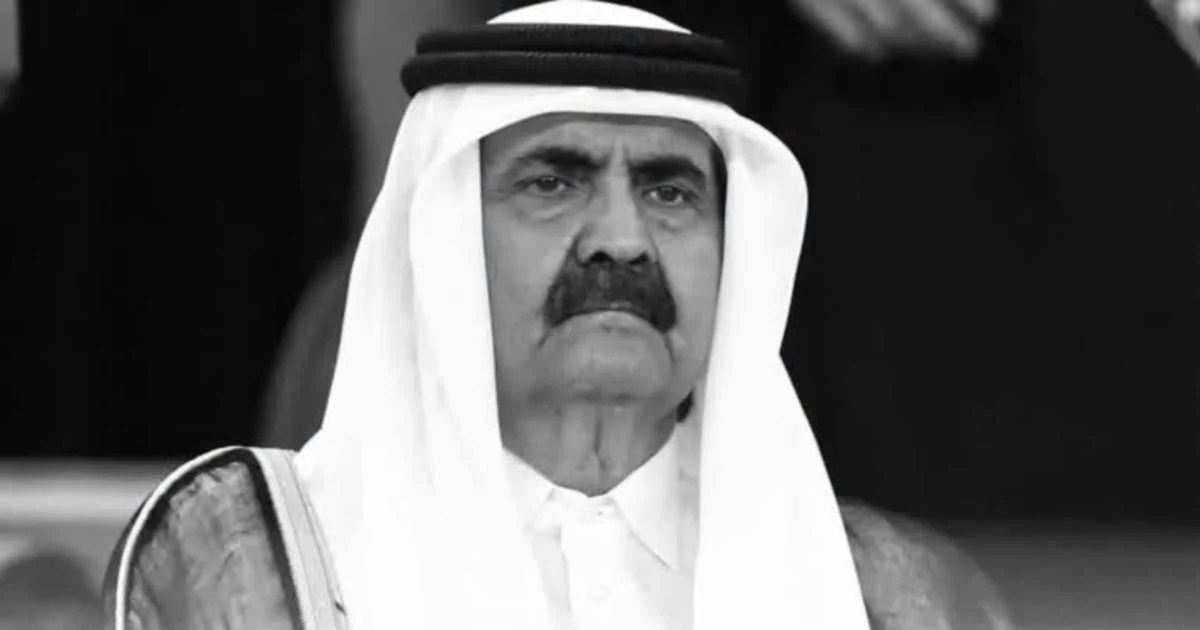
Malaysia has expressed its deepest condolences to the government and people of Qatar following the passing of Sheikh Hamad bin Khalifa Al Thani, the nation's former leader, who died today at the age of 74. Prime Minister Datuk Seri Anwar Ibrahim delivered the message of sympathy on behalf of the Malaysian government and its citizens.
The death of Sheikh Hamad bin Khalifa Al Thani marks the end of an era for one of the Gulf's most influential political figures. During his tenure as Emir of Qatar from 1995 to 2013, he oversaw the Middle Eastern nation's transformation into a global economic and diplomatic powerhouse. His passing has prompted tributes from regional and international leaders recognizing his significant contributions to Qatar's development and the wider Arab world.
Sheikh Hamad bin Khalifa Al Thani's leadership was characterized by ambitious modernization policies and substantial investments in education, healthcare, and infrastructure. Under his watch, Qatar emerged from relative obscurity to become a dominant force in global affairs, hosting major international sporting events and establishing itself as a hub for regional diplomacy. His vision for Qatar's future shaped the nation's trajectory for decades.
Malaysia and Qatar maintain established diplomatic relations rooted in shared Islamic heritage and common interests in regional stability. The expression of condolences reflects the depth of bilateral ties between the two nations. Both countries have collaborated on various multilateral platforms, including the Organisation of Islamic Cooperation and other international forums where they pursue complementary foreign policy objectives.
The former emir's tenure encompassed significant geopolitical developments in the Middle East. He navigated complex regional relationships during periods of considerable tension and change, establishing Qatar's voice as an independent and respected mediator in international disputes. His diplomatic acumen earned recognition across continents, positioning the small Gulf state as a consequential player in world affairs despite its modest population.
Qatar's transformation during his stewardship was remarkable by any standard. Infrastructure development accelerated dramatically, with massive investments in ports, airports, and modern urban centers. The nation accumulated vast sovereign wealth reserves that continue to fund development initiatives and international investments. Educational institutions of global standing were established, attracting scholars and students from around the world.
Sheikh Hamad bin Khalifa Al Thani relinquished his official powers in 2013, stepping aside in favor of his son Sheikh Tamim bin Hamad Al Thani. This transition reflected a deliberate decision to allow new leadership while remaining an influential elder statesman in Qatari society. He had built an institution capable of continuing his vision beyond his direct leadership.
For Malaysia and the broader Southeast Asian region, Qatar's rise as a significant player has carried implications for regional balance and diplomatic relations. The Gulf state's investments in Asia, including in Malaysia, reflect mutual economic interests and strategic partnerships. Strong bilateral relations support trade, investment flows, and cultural exchanges that benefit both nations.
The condolences extended by Prime Minister Anwar Ibrahim acknowledge both the personal loss to the Qatari nation and the historical significance of Sheikh Hamad bin Khalifa Al Thani's achievements. At 74, he had lived to see much of his vision realized, though Qatar continues to evolve under new leadership. His legacy encompasses not merely infrastructure and economic metrics but also the institutional frameworks and international positioning he established.
Qatar's continued prominence in global affairs, from hosting the FIFA World Cup to serving as a diplomatic hub during international crises, reflects foundations laid during his era. The nation's soft power initiatives, including the development of major media networks and educational centers, underscore the breadth of his strategic thinking. These institutions will perpetuate his influence on regional and international discourse for generations.
The loss of former leaders, particularly those who have reshaped their nations, resonates across the Islamic world and beyond. Malaysia's expression of sympathy represents solidarity with Qatar during this period of collective remembrance. The formal condolences acknowledge both the human dimension of loss within the Qatari royal family and the national significance of Sheikh Hamad bin Khalifa Al Thani's historical role.
As Qatar navigates the period following his death, the nation's existing institutional strength and international relationships provide continuity. Under current Emir Sheikh Tamim bin Hamad Al Thani's leadership, Qatar maintains its regional and global engagements while honoring the legacy established by his predecessor. The transition of power, already completed more than a decade ago, had prepared Qatar for this eventual passage.

