Prime Minister Datuk Seri Anwar Ibrahim has taken aim at opposition lawmakers for what he characterises as a cynical attempt to weaponise the Lembaga Tabung Haji scandal for political gain. Speaking through social media on August 11, the Prime Minister contended that opposition figures are deliberately steering public discourse away from substantive accountability regarding the institution, choosing instead to cast aspersions on his personal leadership. His remarks underscore the intensifying partisan tensions surrounding one of Malaysia's most significant faith-based financial institutions and its troubled operational history.
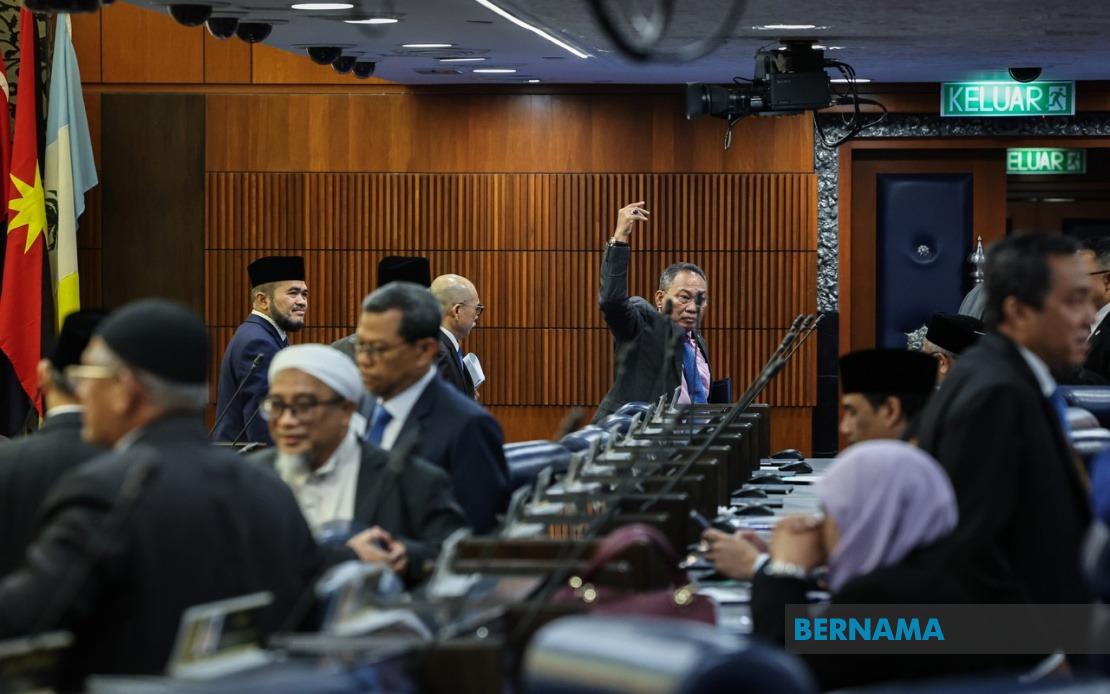
The government's frustration crystallised when several opposition Members of Parliament staged a coordinated walkout from a special parliamentary sitting convened to discuss findings from the Royal Commission of Inquiry into Tabung Haji. The boycott targeted Speaker Tan Sri Johari Abdul's decision to proceed with ministerial presentations despite Anwar's absence, whilst simultaneously rejecting the opposition's procedural request to adjourn proceedings. The Prime Minister had tendered apologies for missing the session, explaining that he was undergoing physiotherapy recovery following an elective surgical procedure to address a para-umbilical hernia.
Anwar's response on social media reveals the government's defensive posture concerning Tabung Haji governance failures. Rather than engage with specific criticisms about institutional management lapses, the Prime Minister pivoted toward questioning the opposition's commitment to protecting ordinary Malaysian depositors. His rhetorical questions to the PAS-led Perikatan Nasional coalition zeroed in on whether opposition leaders genuinely prioritise the savings of humble Malaysians—fishermen, subsistence farmers, educators, security personnel, and pensioners—who have entrusted their pilgrimage funds to the institution over decades.
The underlying tension reflects deeper anxieties about Tabung Haji's credibility among its seven million-strong depositor base. The recently released 211-page RCI report, made public on July 29, exposed systematic weaknesses spanning the 2014-2020 period. Investigators identified governance deficiencies, operational mismanagement, and inadequate oversight mechanisms that permitted the institution's financial position to deteriorate significantly. The commission forwarded twenty-five reform recommendations, with three-quarters already implemented by Tabung Haji as of late July, suggesting at least some remedial action has commenced.
Establishing this inquiry represented a critical acknowledgment of institutional dysfunction. The government initiated the investigative process in 2021, formally appointed commission members in January 2022, and received the final report in August 2022, before the public disclosure this year. The extended timeline itself indicates the complexity and sensitivity of examining an institution embedded within Malaysia's Islamic financial ecosystem and deeply connected to the aspirations of hajj-intending Muslims nationwide.
The parliamentary walkout reflects opposition frustration with what they perceive as inadequate accountability mechanisms and insufficient urgency in addressing depositor grievances. By boycotting the special sitting, opposition lawmakers communicated their view that the government's handling of the crisis remains insufficiently transparent or remedial. However, Anwar's counterattack suggests the government interprets such actions as partisan posturing rather than genuine concern for institutional reform. This interpretive divergence underscores how thoroughly Tabung Haji has become entangled in Malaysia's fractious partisan politics.
For Malaysian depositors and the broader public, the controversy raises uncomfortable questions about institutional governance standards within faith-based financial entities. Tabung Haji occupies a unique position in the Malaysian financial landscape, combining commercial imperatives with religious obligations. Its failure to maintain fiduciary standards during the examined period raises broader implications about supervision and accountability within the Islamic finance sector. The fact that ordinary Malaysians—particularly those from lower and middle-income backgrounds—bore the consequences of mismanagement compounds the political sensitivity surrounding reform efforts.
Anwar's invocation of betrayal language carries particular resonance within Malaysia's Malay-Muslim majority context. By characterising the institutional failures as a betrayal of Muslim interests and subsequently accusing opposition figures of compounding that betrayal through political opportunism, the Prime Minister attempted to reframe the narrative. Rather than focus on government responsibility for appointing boards and overseeing regulators who failed to prevent the crisis, he positioned the opposition as the true antagonists against depositor welfare.
The timing of this controversy during Anwar's early months as Prime Minister compounds its political significance. The government remains sensitive to perceptions of ineffectiveness, particularly regarding institutional reform and transparency. Opposition attacks on Tabung Haji governance thus acquire amplified importance as tests of the administration's competence and commitment to ordinary Malaysians. Anwar's aggressive response suggests confidence in the government's reform trajectory whilst simultaneously indicating concern about opposition messaging resonance among core constituencies.
Moving forward, the implementation status of RCI recommendations will likely determine whether this institutional episode fades or intensifies as a political battleground. With three-quarters of recommendations reportedly implemented, the government possesses data points demonstrating reform momentum. However, opposition lawmakers will undoubtedly scrutinise whether these changes produce meaningful improvements in depositor protections and institutional financial health. The parliamentary dynamics will reflect broader patterns of Malaysia's political competition, where competing narratives about competence, integrity, and commitment to ordinary citizens shape electoral possibilities.
The Tabung Haji controversy ultimately encapsulates tensions between institutional accountability and political survival in Malaysian governance. Opposition figures argue that rigorous scrutiny constitutes appropriate parliamentary function. The government contends that weaponising legitimate concerns for partisan advantage undermines genuine reform efforts. This disagreement will persist until depositors demonstrably benefit from implemented changes and public confidence in institutional stewardship visibly strengthens. Until then, Tabung Haji remains a potent symbol of governmental competence contested between competing political coalitions.

