Prime Minister Datuk Seri Anwar Ibrahim was expected to be discharged from hospital on Monday, August 12, following his recovery from a surgical procedure, according to an announcement by his wife Datuk Seri Dr Wan Azizah Wan Ismail. The Premier's office indicated through his spouse that the head of government had progressed well through his post-operative period and was ready to resume his duties, with his medical team clearing him for release.
Anwar had undergone an elective laparoscopic surgical intervention earlier in the week to address a para-umbilical hernia, a condition affecting tissue near the navel area. The minimally invasive nature of the procedure meant that recovery time was expected to be relatively swift compared to traditional open surgery methods. Laparoscopic techniques, which involve small incisions and the use of specialized instruments, have become the standard approach for hernia repair in modern medical practice, typically resulting in reduced post-operative discomfort and faster return to normal activities.
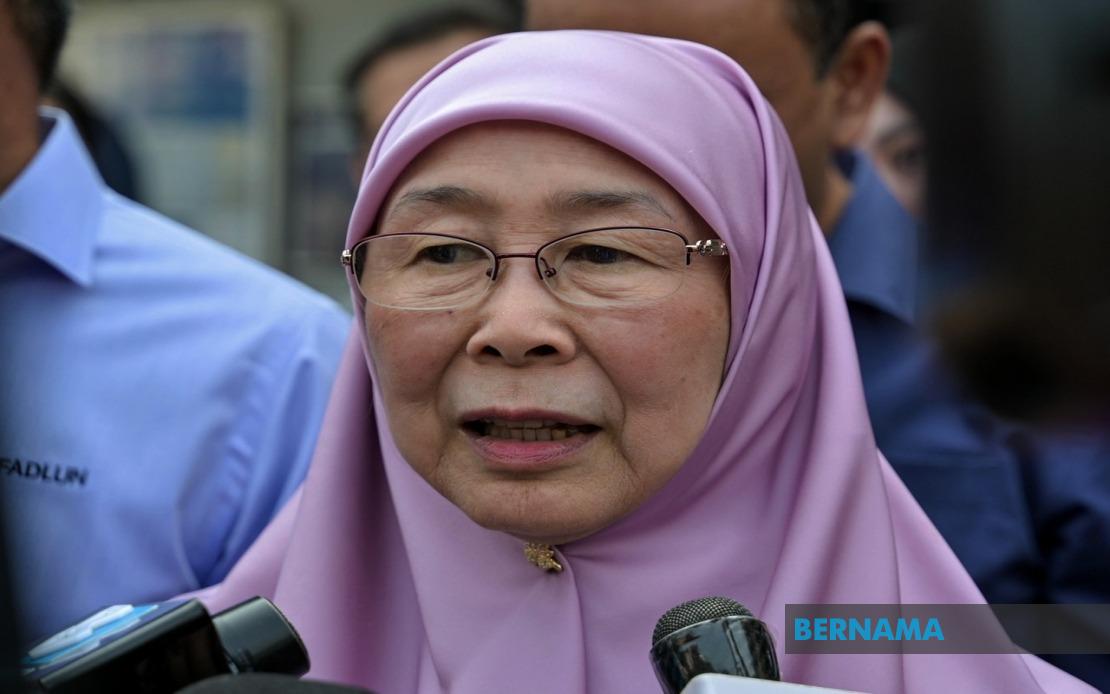
Through Dr Wan Azizah, who made the discharge announcement while attending the Semarak Merdeka programme in conjunction with 2026 National Month celebrations at the Bandar Tun Razak branch of Kuala Lumpur City Hall, the Prime Minister conveyed his gratitude to the public for their support and prayers during his hospitalization. Such gestures from political leaders during health challenges have become customary in Malaysia, reflecting the personal connection between the nation's leadership and its citizens who follow developments through media reports and social media updates.
The timing of the announcement occurred during Malaysia's preparations for its upcoming National Month festivities, a period traditionally marked by nationwide celebrations of independence and national pride. Despite his medical treatment, Anwar's determination to maintain public engagement through his wife's participation in these commemorative events underscored the continuity of governmental functions and the symbolic importance of maintaining momentum in national observances even during periods when senior leadership requires medical attention.
The para-umbilical hernia condition, while not uncommon among the general population, particularly affects individuals who may experience increased abdominal pressure over time. The decision to pursue elective surgical correction reflects a proactive medical approach, ensuring that the condition does not deteriorate or cause complications that might necessitate emergency intervention in the future. For a serving Prime Minister, addressing such health concerns during a planned procedure rather than allowing them to develop into acute emergencies represents prudent personal health management.
The laparoscopic methodology employed in Anwar's procedure offers several advantages over conventional surgical approaches, including reduced tissue trauma, minimal scarring, lower infection risk, and substantially shortened hospitalization periods. These technical advances in surgical practice have transformed the treatment landscape for hernia repairs across Malaysian healthcare facilities, allowing senior officials and the general public alike to access efficient, effective interventions with minimal disruption to their regular schedules.
From a governance perspective, the brief hospitalization of any Prime Minister raises questions about succession planning, continuity protocols, and the distribution of executive responsibilities during periods of temporary incapacity. While elective surgical procedures generally involve minimal risk and short recovery windows, the Malaysian system likely activates established procedures to ensure uninterrupted administrative functioning, with designated officials assuming expanded portfolios during the Premier's absence.
The public nature of the announcement, made by Dr Wan Azizah rather than through official government medical bulletins, reflects contemporary practices in political communication whereby family members often serve as primary conduits for health-related information. This approach personalizes official narratives while maintaining appropriate boundaries between private medical matters and public governance concerns, a balance that remains delicate in Southeast Asian political contexts where public interest in leaders' health intersects with privacy considerations.
For Malaysian healthcare observers, the case exemplifies how advanced surgical techniques have become standardized even at the highest levels of government, demonstrating the availability of world-class medical interventions within the nation's health infrastructure. The relatively smooth progression from surgical intervention to discharge within days reflects both the effectiveness of modern laparoscopic procedures and the quality of post-operative care provided at Malaysian medical institutions.
Looking ahead, Anwar's anticipated swift recovery and return to full governmental duties would likely restore normal rhythm to the Prime Minister's office and eliminate any uncertainty regarding executive capacity during a critical period of national planning and preparation for 2026 National Month celebrations and beyond.

