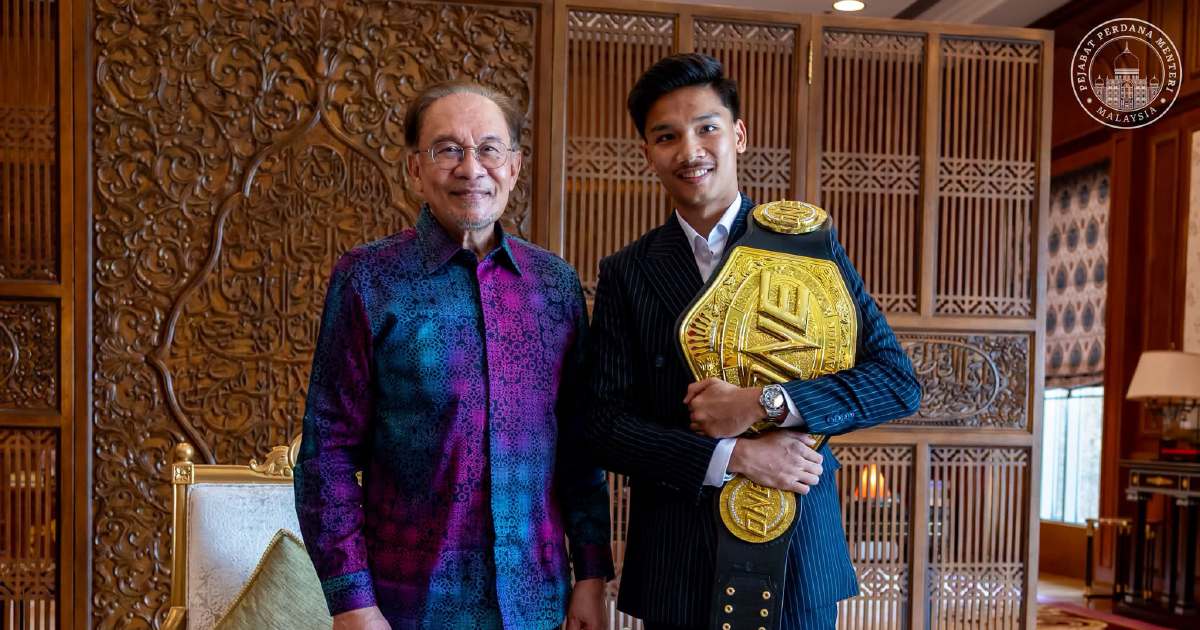
Prime Minister Datuk Seri Anwar Ibrahim has extended public congratulations to Muay Thai competitor Aliff Rakib following the fighter's landmark triumph in capturing the ONE Interim Muay Thai Strawweight World Championship, making him the first Malaysian to reach this pinnacle in the globally prominent combat sports organisation.
The achievement represents a watershed moment for Malaysian combat sports on the international stage. Aliff Rakib's victory carries significance beyond the individual accolade, symbolising the growing competitiveness of Malaysian athletes in specialised sporting disciplines that have historically been dominated by practitioners from neighbouring countries with more established training infrastructure and larger competitive pools.
ONE Championship, which operates across Asia-Pacific with a substantial following in Southeast Asia, has become an increasingly prestigious platform for regional fighters. The promotion's strawweight division, while representing one of the lighter weight categories, attracts world-class competitors and offers substantial prize purses and sponsorship opportunities. For a Malaysian fighter to break through at this level underscores the development of the country's combat sports ecosystem over the past decade.
Aliff Rakib's path to this championship reflects the expanding opportunities available to Malaysian Muay Thai practitioners. The sport has experienced growing visibility and participation domestically, with more training facilities, coaching expertise, and competitive events becoming available. Historically, Malaysian athletes pursuing traditional Muay Thai careers had to relocate to Thailand for serious development. The increasing accessibility of high-quality instruction within Malaysia represents a structural shift that enables local talent cultivation.
The interim championship designation, while technically junior to a full world championship, still carries considerable weight within ONE Championship's ranking system and provides the victor with a clear pathway to unifying bouts and recognition among the sport's global elite. Rakib's interim status positions him as a contender for future title consolidation matches that would elevate his standing further within the organisation's hierarchy.
Anwar Ibrahim's public acknowledgement of sporting achievements reflects a broader governmental strategy of celebrating Malaysian excellence across diverse fields. The Prime Minister's engagement with sports personalities and accomplishments serves multiple purposes, including bolstering national pride, encouraging youth participation in athletic pursuits, and positioning Malaysia as a competitive nation in emerging sporting sectors.
Muay Thai has experienced resurgence in Malaysian sporting consciousness, moving beyond its traditional stronghold in smaller communities to gain mainstream recognition. This visibility has been amplified through international broadcasting partnerships and social media platforms that bring ONE Championship events to wider audiences. Aliff Rakib's victory provides a tangible success story that can inspire younger Malaysians to pursue the sport seriously.
The victory also reflects Malaysia's broader integration into Asia-Pacific professional sports infrastructure. While traditional sports like badminton and football dominate domestic resources and attention, Malaysian athletes have increasingly found success in combat sports at regional and global levels. This diversification strengthens the country's sporting credentials and demonstrates capability beyond established niche areas.
For ONE Championship, Aliff Rakib's emergence as a Malaysian champion expands the promotion's marketability in the country and the broader Southeast Asian region. Fighters with local or national backing typically generate stronger fan engagement within their home markets, translating to improved viewership metrics and merchandise sales. This mutual benefit relationship encourages promotions to invest further in developing talent pipelines within specific territories.
The interim championship also positions Aliff Rakib within a competitive landscape where future challengers may emerge from regional rivals. His status carries an inherent expectation that he will either unify the title through consolidation bouts or eventually move toward a full championship defence. These matchups will continue to provide Malaysian fans with domestic representation at elite international levels, fostering ongoing engagement with professional Muay Thai.
Governmental recognition of such achievements, particularly through senior political figures, can influence resource allocation and sponsorship opportunities that support athlete development. Anwar Ibrahim's congratulations may signal to corporate sponsors and potential investors that Malaysian combat sports warrant backing. This downstream effect can improve financial sustainability for fighters and training facilities, creating a more robust professional ecosystem.
Looking forward, Aliff Rakib's breakthrough success establishes a precedent that may encourage other Malaysian martial artists to pursue professional careers at similar organisations. The visibility generated by a prime ministerial endorsement reaches audiences beyond traditional sports followers, normalising professional Muay Thai as a legitimate career path and elevating its status within Malaysian society. This cultural shift, sustained over time, typically produces larger pools of aspiring competitors and consequently higher overall standards within the domestic talent base.

