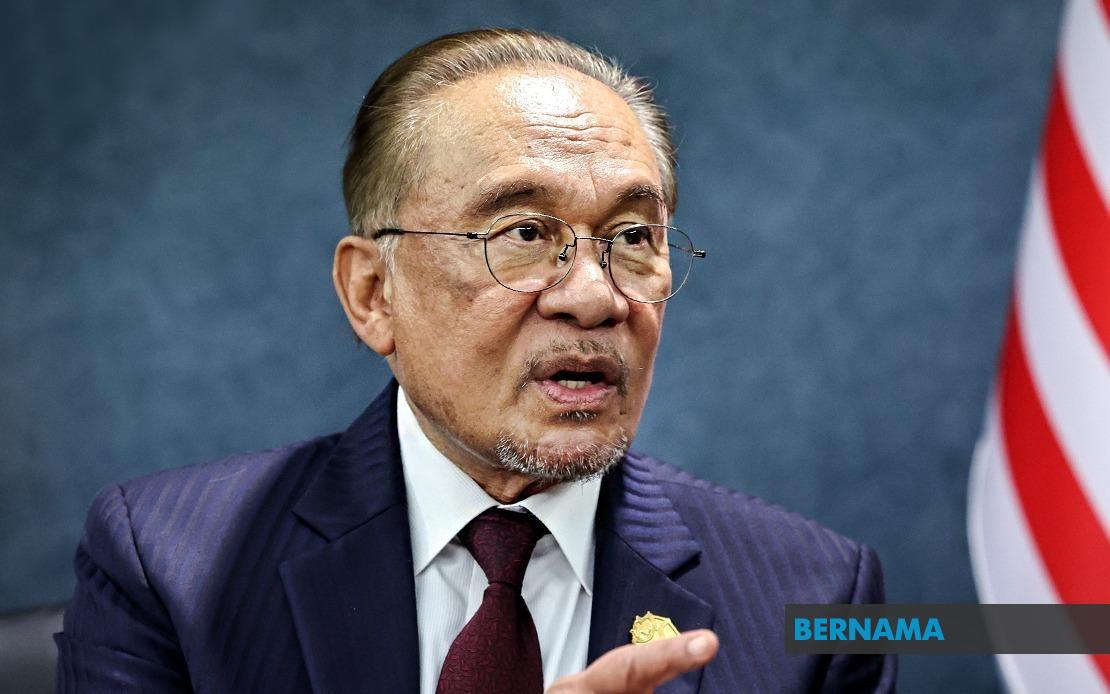
Prime Minister Datuk Seri Anwar Ibrahim has publicly acknowledged Senator Datuk Nur Jazlan Mohamed's reappointment as Deputy Senate President for a second term, underscoring the administration's confidence in his legislative leadership. The congratulatory remarks came during proceedings at the Dewan Negara, emphasizing the government's commitment to institutional stability within Malaysia's parliamentary framework.
Nur Jazlan's reappointment reflects the continuation of his role in steering the Senate's day-to-day operations and maintaining parliamentary decorum. As Deputy Senate President, his responsibilities encompass presiding over sittings in the absence of the Senate President, managing legislative procedures, and ensuring compliance with parliamentary standing orders. His return for a second term suggests that his previous tenure was viewed favorably by government leadership and fellow senators alike.
Alongside Nur Jazlan's reappointment, Senator Musoddak Ahmad has also been reappointed to the upper house. Both officials undertook their oath of office before Senate President Datuk Awang Bemee Awang Ali Basah in a formal ceremony preceding the parliamentary session. These appointments represent routine but significant administrative decisions that ensure the continuity of Malaysia's legislative institution.
The timing of these reappointments occurs within the broader context of Malaysia's evolving political landscape under the Anwar Ibrahim administration. The Prime Minister's personal acknowledgment of these officials during parliamentary proceedings demonstrates his engagement with upper house governance, an area that sometimes receives less public attention than the Dewan Rakyat. The ceremonial nature of such congratulations also serves to reinforce the legitimacy and importance of the Dewan Negara's constitutional role.
Malaysia's bicameral legislature comprises the elected Dewan Rakyat and the appointed Dewan Negara, with the latter playing a crucial advisory and deliberative function. Senators are typically appointed through state governments and relevant institutional bodies, rather than through direct popular election. This appointive mechanism means that reappointments are discretionary decisions that reflect political and institutional preferences at the government level.
Nur Jazlan's legislative experience extends beyond his recent appointment, and his return to the Deputy presidency indicates accumulated institutional knowledge and political confidence. The reappointment process itself underscores how Malaysia's upper house functions as a venue for experienced political figures and public administrators who may not necessarily hold elected office in the lower chamber. This arrangement has historically allowed the Senate to serve as a space for deliberation on national policy matters with a degree of distance from electoral pressures.
The parliamentary session at which these acknowledgments occurred represents one of the regular sitting calendars of the Dewan Negara, where government business is conducted through formal questioning and legislative debate. The Prime Minister's presence and remarks during these proceedings reflect executive engagement with the upper house, ensuring alignment between government initiatives and the legislative agenda.
Anwar also injected a lighter moment into proceedings by commenting on international football affairs, specifically regarding Spain's success in a fictional 2026 FIFA World Cup scenario. Though this reference appears somewhat incongruous with formal parliamentary business, such asides are not uncommon during legislative sessions and can serve to humanize political leadership while maintaining the fundamental seriousness of governance. The anecdote provided a moment of levity within the formal parliamentary setting, though the central substance of the session remained focused on legislative and governmental matters.
The reappointment of senior Senate figures like Nur Jazlan ensures institutional continuity at a time when Malaysia continues to navigate complex domestic policy challenges and international engagements. The upper house remains an important forum for reviewing legislation, scrutinizing government policy, and enabling experienced figures to contribute to national governance outside the competitive electoral arena of the lower chamber. Such institutional stability, as reflected in these reappointments, provides a foundation for ongoing parliamentary work.
For Malaysian observers of parliamentary affairs, these routine administrative decisions carry implications for how the legislative agenda will be shaped in the coming term. The reappointment of experienced senators signals the government's preference for institutional continuity and consistency in procedural management. The Dewan Negara, though less visible than the Dewan Rakyat in public discourse, remains integral to Malaysia's system of checks and balances and legislative oversight.

