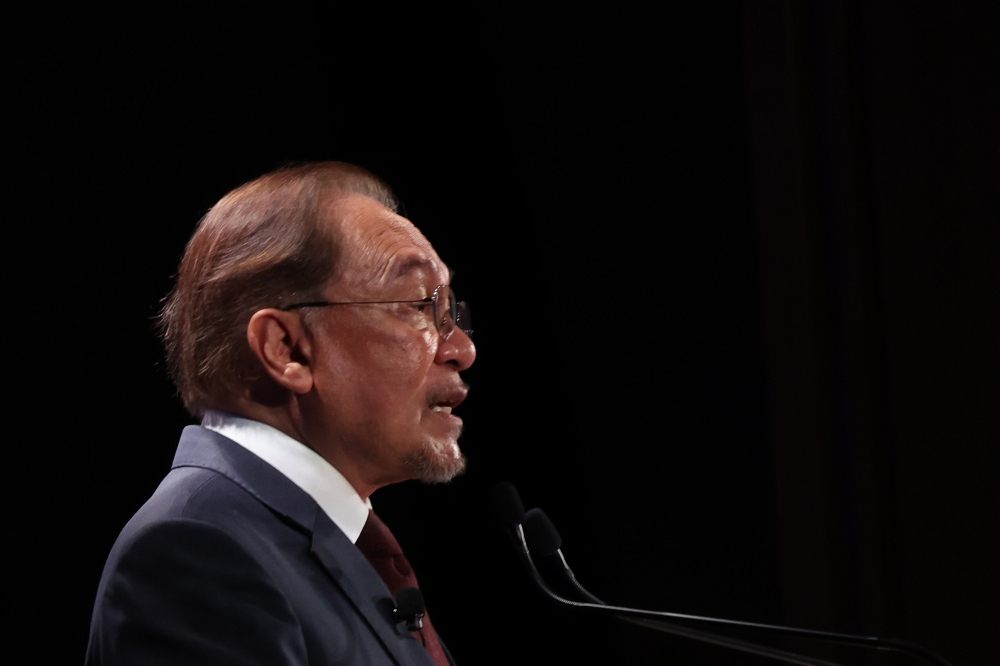
Prime Minister Datuk Seri Anwar Ibrahim has filed a defamation suit against PAS deputy president Tuan Ibrahim Samsudin, intensifying the ongoing political friction between the ruling coalition and the opposition Islamic party. The legal action represents a significant step in what has become an increasingly adversarial relationship between the two camps, particularly as Malaysia approaches key electoral cycles and policy debates on governance and religious matters continue to dominate the political landscape.
The suit targets statements made by Tuan Ibrahim that Anwar's legal team contends are false and damaging to the Prime Minister's personal and professional reputation. This development underscores the volatility of contemporary Malaysian politics, where personal attacks and counter-accusations have become routine features of inter-party discourse. The decision to pursue formal legal remedies rather than confining disputes to parliamentary debate or media exchanges signals the gravity with which Anwar's office views the allegations.
Tuan Ibrahim's role as deputy president of PAS places him among the party's senior leadership, making his public statements carry particular weight within the opposition framework. PAS has maintained a combative stance toward the Anwar-led government since failing to secure ministerial positions in the current administration. The party's decision to align with other opposition blocs has created a more fragmented political environment, where rhetorical clashes frequently escalate into formal disputes.
For Malaysian politics, defamation suits involving high-ranking officials remain relatively uncommon as remedies for political speech, reflecting longstanding judicial traditions around parliamentary privilege and political discourse protections. This case therefore sets precedent considerations that may influence how future disputes between government and opposition figures are handled within the legal system. The judiciary will need to balance free speech protections essential for democratic function against legitimate concerns about malicious falsehoods spread by public figures.
The timing of this action warrants scrutiny within Malaysia's broader political calendar. PAS has been strengthening its grassroots positioning across several states, particularly in Peninsular Malaysia where the party has expanded its organisational reach. Simultaneous with these political manoeuvres, escalating personal legal disputes between top leaders could reflect efforts to undermine opponents' credibility ahead of potential electoral contests or significant policy showdowns in Parliament.
Anwar's government has faced persistent criticism from various quarters, including from PAS regarding issues spanning economic management, religious authority, and governance structures. The Prime Minister has occasionally responded to such criticism through public statements and counter-arguments, but this legal avenue represents a more forceful approach. The decision to litigate suggests either that the remarks crossed thresholds considered beyond acceptable political criticism, or that the government believes such action will yield strategic advantages in the court of public opinion.
Within the broader Southeast Asian context, Malaysia's political culture has historically distinguished itself through relatively institutionalised processes for managing inter-party conflict, though recent years have witnessed increased personalisation of political disputes. This case reflects global trends where elected leaders increasingly resort to legal mechanisms against opponents, with mixed consequences for democratic health and judicial independence perceptions. International observers and civil society groups often scrutinise such actions for potential chilling effects on legitimate political expression.
PAS itself commands significant electoral support particularly in certain constituencies and states, maintaining a distinct ideological platform that appeals to specific voter segments. The party's parliamentary presence ensures its representatives can articulate opposition viewpoints through established institutional channels. The shift toward courtroom battles rather than exclusive reliance on parliamentary debate potentially reshapes how political competition manifests at institutional levels.
The specific allegations underlying this defamation claim remain crucial to understanding the case's implications. Depending on whether Tuan Ibrahim's remarks addressed Anwar's public conduct, policy positions, or personal character matters, courts will apply different analytical frameworks regarding truth defences and public interest considerations. Malaysian libel law provides certain protections for statements made in good faith on matters of public concern, which could significantly shape litigation outcomes.
Legal experts suggest that such high-profile cases often become as much about political messaging as about courtroom victory. The process itself—discovery proceedings, public hearings, media coverage—generates extensive scrutiny of the statements in question and forces their widespread circulation. For opposition figures, such litigation can simultaneously damage reputation while creating opportunities to present counter-narratives and frame the government as suppressing dissent.
For Malaysian business and civil society observers, the proliferation of legal disputes among political elites raises questions about institutional stability and predictability. When parliamentary leaders resort frequently to litigation against each other, it can divert resources from governance and create uncertainty about the boundaries between legitimate political combat and actionable misconduct. These dynamics ripple through various sectors as companies and organisations attempt to navigate relationships with government while avoiding entanglement in factional disputes.
The defamation suit also reflects broader questions about how Malaysian politics manages ideological differences. PAS represents a particular vision for the nation's religious and social direction, while Anwar's coalition encompasses more diverse constituencies with varying perspectives on these questions. Legal battles between their respective leaders may crystallise underlying tensions that parliamentary procedures struggle to accommodate effectively. Looking forward, how courts resolve this matter could influence whether similar disputes proliferate or whether political actors develop alternative dispute resolution mechanisms.
Beyond immediate legal outcomes, this action exemplifies contemporary Malaysian politics' increasingly litigious character. The case will likely generate substantial public interest and media analysis, while potentially motivating other political figures to consider similar legal strategies when facing criticism they deem unacceptable. Whether such developments ultimately strengthen or weaken democratic institutions and civil discourse remains an open question for Malaysia's evolving political culture.

