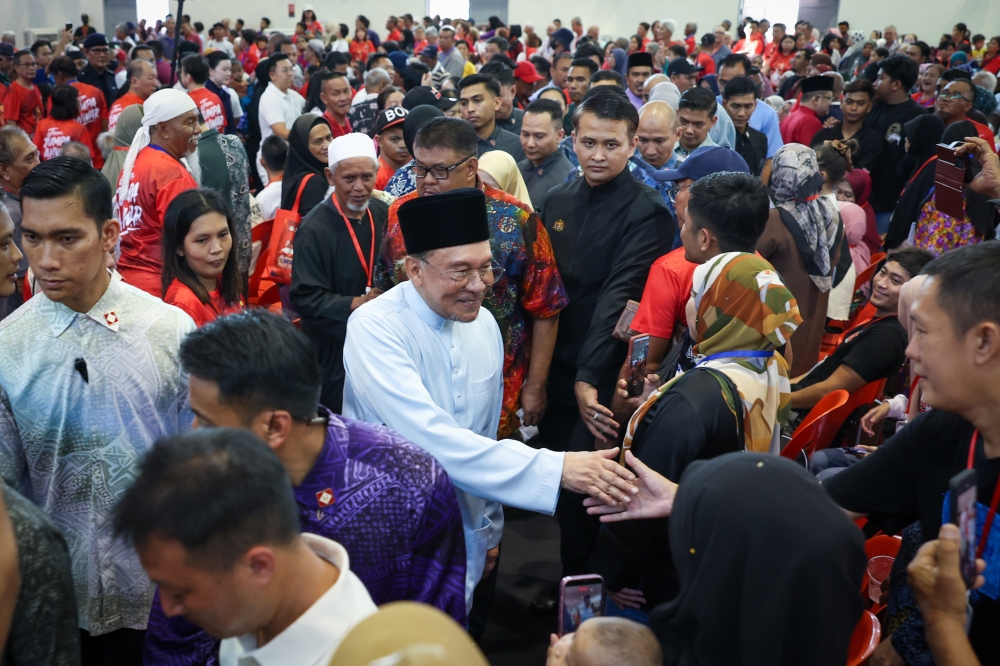
Prime Minister Datuk Seri Anwar Ibrahim has commenced a scheduled two-day programme of medical examinations and specialist consultations, according to an official statement from the Prime Minister's Office. The medical observation period forms part of routine healthcare protocols for the country's chief executive and does not indicate any acute health concerns requiring immediate intervention.
The PMO's confirmation of the medical programme comes as Anwar continues to fulfil his duties overseeing Malaysia's governance and economic development agenda. The timing of the specialist observation reflects standard practice for senior government officials to undergo comprehensive health assessments to ensure optimal fitness for high-office responsibilities. Such periodic evaluations are considered essential given the demanding nature of the prime ministerial role, which requires sustained physical and mental stamina across demanding schedules.
Government operations continue normally during this period, with ministerial colleagues and senior officials maintaining regular administrative functions and policy oversight. The confirmation by the PMO indicates transparency regarding the Prime Minister's schedule and health status, responding to public interest in the wellbeing of national leaders. This openness reflects evolving standards of accountability and public communication adopted by contemporary Malaysian governance structures.
The two-day duration suggests a comprehensive rather than superficial medical review, potentially encompassing cardiovascular assessments, laboratory work, specialist consultations across multiple disciplines, and preventive health screening. Such protocols typically aim to identify any emerging health considerations before they become symptomatic, allowing for early intervention where medically appropriate. For leaders in their seventies managing complex national portfolios, such preventive frameworks represent standard international practice among democratic governments concerned with executive stability.
Anwar's health profile has attracted periodic public attention given his age and the historical significance of his political trajectory across multiple decades. The Prime Minister's commitment to transparent health communication reflects lessons learned from various government administrations regarding public confidence and institutional stability. When senior leaders maintain clear communication about health matters, it typically reduces speculation and maintains investor confidence in governmental continuity and decision-making capacity.
The specialist observation framework employed by Malaysia's medical system reflects the country's substantial healthcare infrastructure capabilities. Malaysian medical professionals have developed considerable expertise in comprehensive health screening and specialist evaluation, with facilities comparable to international standards. This domestic capacity enables efficient, confidential assessment of national leaders without requiring overseas medical travel that might raise questions about confidence in local healthcare systems.
From a broader Southeast Asian perspective, Malaysia's approach to executive health transparency contrasts with varying practices across the region. Some neighbouring nations maintain deliberate opacity regarding leadership health matters, while others adopt more forthright disclosure approaches. Malaysia's middle path—confirming medical procedures while respecting privacy around specific diagnoses unless medically necessary—reflects pragmatic balancing of democratic transparency principles with legitimate privacy considerations.
The continuity of government operations during Anwar's medical observation period underscores Malaysia's institutional maturity and established succession frameworks. Deputy Prime Minister and senior ministers maintain executive authority over routine governance matters, ensuring no policy vacuum emerges during temporary executive medical engagement. This institutional resilience provides stability that financial markets and international partners require when assessing governmental reliability and policy continuity.
For Malaysian citizens and business interests, the confirmation that routine medical procedures are proceeding normally carries reassuring implications. Leadership stability and clear succession pathways represent foundational requirements for economic confidence, investment decisions, and policy predictability. When governments communicate health matters transparently, market participants can factor information accurately rather than operating under uncertainty, which typically breeds destabilizing speculation.
The timing of the announcement demonstrates Malaysia's commitment to proactive rather than reactive health communication. Rather than allowing rumours or speculation to circulate, the PMO's direct confirmation establishes factual parameters, allowing Malaysian media and public discourse to proceed from accurate information. This approach reflects recognition that communication vacuums regarding senior leadership typically generate unhelpful conjecture that can undermine confidence unnecessarily.
Anwar's consistent commitment to maintaining high-profile public engagement throughout his political career suggests his underlying health status supports active leadership. The scheduling of routine medical observation reflects prudent personal health management rather than response to specific health crises. For a Prime Minister managing Malaysia's economic transformation, infrastructure development, and regional diplomatic relationships, maintaining robust personal health through preventive medical oversight represents responsible stewardship of the leadership role itself.
The conclusion of the two-day observation period should facilitate Anwar's return to full-schedule executive activities and public engagements. Medical clearance from specialist evaluation typically provides both the leader and the public with confidence regarding fitness for continued high-responsibility decision-making. As Malaysia navigates evolving economic challenges and regional developments, the continuation of stable, capable leadership remains essential to achieving policy objectives across multiple national priorities.

