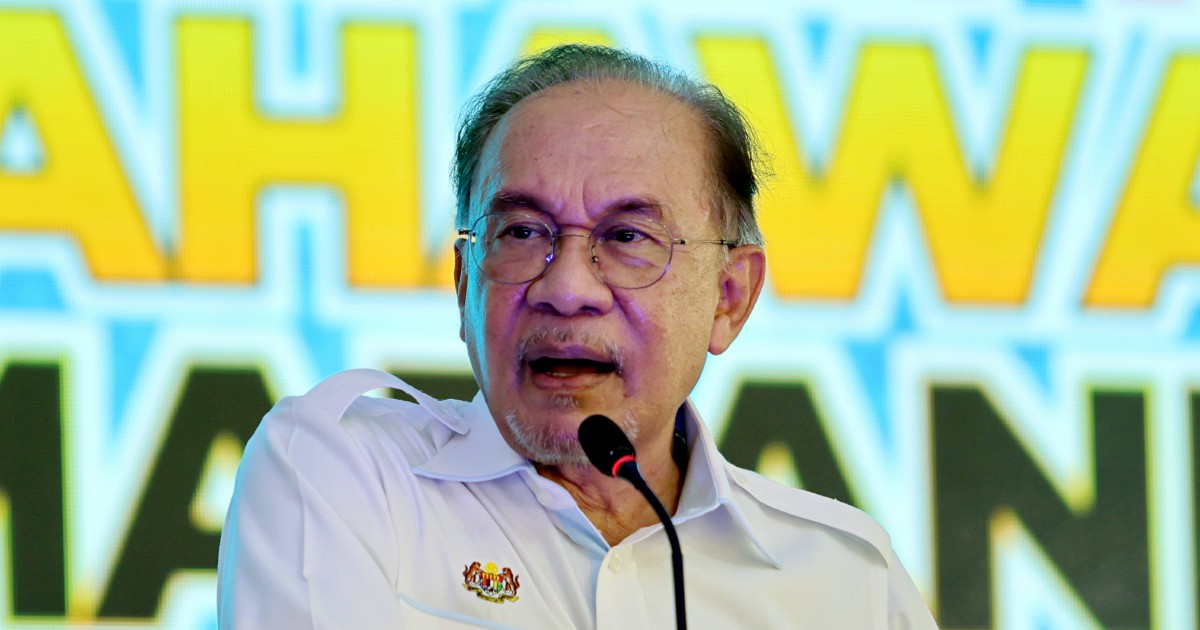
Prime Minister Datuk Seri Anwar Ibrahim opted for TikTok to reach voters in their final hours before the Negri Sembilan state election campaign period closed at 11.59pm, underscoring the growing reliance of Malaysian political leaders on short-form social media platforms to communicate directly with the electorate. The decision to deploy the video-sharing application for his last push represents a calculated shift in how the Pakatan Harapan coalition engages with constituents, particularly younger demographics who have become increasingly difficult to reach through traditional mass media channels.
The timing of the appeal, delivered mere hours before the statutory campaign blackout came into effect, reflected the competitive intensity of the Negri Sembilan contest. Election Commission regulations mandate that all campaign activities cease by midnight on the eve of voting day, creating a final window for parties to consolidate messaging and reinforce their core arguments. Anwar's decision to use this closing period on TikTok rather than through a large-scale rally or press conference signals confidence in the platform's ability to deliver messages virally and organically to target audiences without the overhead of traditional events.
The social media strategy employed by Pakatan Harapan's leadership team extends beyond Anwar's solo messaging. Fellow coalition leaders similarly leveraged TikTok and other platforms for their own closing statements, creating a coordinated digital blitz designed to saturate the information environment with pro-government messaging in the final stretch. This multi-channel approach recognises that voters, particularly in urban and semi-urban Negri Sembilan constituencies, consume political information through fragmented media diets that traditional broadcasts can no longer penetrate effectively.
TikTok's particular appeal to Malaysian political campaigns lies in its algorithmic amplification and the platform's dominance among users under 35 years old. Unlike Facebook, which skews older, or television advertising, which requires significant expenditure and regulatory approval, TikTok videos can achieve viral reach through organic engagement if content resonates with users. For a government seeking to mobilise its base and suppress opposition turnout, the platform's ability to create shareable, emotionally engaging content makes it an increasingly indispensable campaign tool.
The reliance on social media for final campaign messaging also reflects broader trends in Malaysian electoral politics. Previous state and federal elections have shown that digital platforms now rival or exceed traditional media in influencing voter behaviour, particularly in deciding marginal constituencies. Negri Sembilan, with its mix of urban centres like Seremban and Nilai alongside more rural areas, represents a microcosm of Malaysia's electoral landscape where digital engagement complements ground-level organising.
However, the TikTok strategy carries inherent risks that opposition parties and critics have increasingly highlighted. The platform's algorithm-driven nature means messages can be amplified disproportionately, potentially overwhelming alternative viewpoints and creating distorted perceptions of actual support levels. Additionally, TikTok's origin in China and data privacy concerns have invited regulatory scrutiny in several democracies, raising questions about whether Malaysian authorities should be encouraging political campaigns to concentrate on platforms with ambiguous data governance standards.
Anwar's personal involvement in the TikTok messaging underscores his centrality to Pakatan Harapan's electoral strategy. As Prime Minister, his image and statements carry official weight that extends beyond party politics, though such messaging remains inherently campaign-oriented. The decision to make his final appeal himself, rather than delegating to younger party spokespeople, reflects the importance Anwar places on maintaining direct voter contact and projecting personal authority during critical campaign moments.
For Negri Sembilan voters, the flood of social media messaging in the campaign's final hours created an information-dense environment that required critical engagement to separate substantive policy promises from performative content. Both government and opposition camps deployed sophisticated content strategies designed to maximise engagement metrics rather than necessarily maximise voter understanding of policy platforms. This dynamic has become characteristic of Malaysian electoral politics in the social media age, where attention capture often supersedes information clarity.
The state election itself carries significant implications beyond Negri Sembilan's borders. As a crucial barometer of government performance and voter sentiment, the results will influence calculations within Pakatan Harapan regarding the viability of calling earlier federal elections. Success would vindicate Anwar's strategic positioning and the coalition's digital campaigning approach, while setbacks might prompt leadership to reassess whether social media engagement, however extensive, translates into actual electoral performance and sustained governance legitimacy among the broader electorate.

