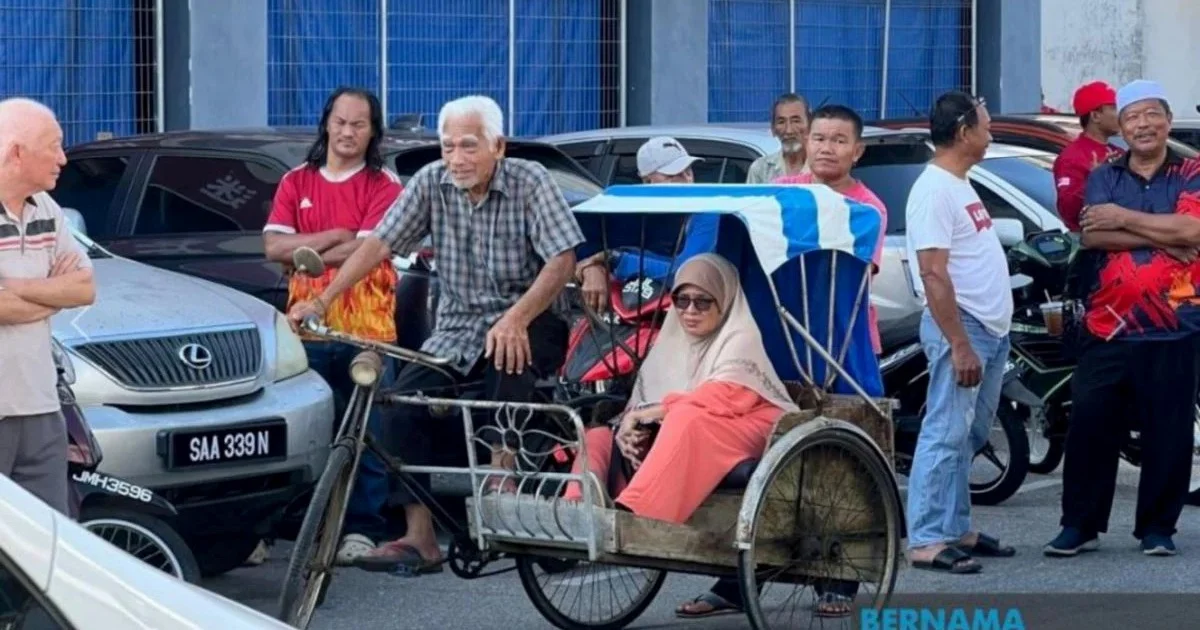
Prime Minister Datuk Seri Anwar Ibrahim has publicly acknowledged the remarkable gesture of an 86-year-old trishaw operator who exerted considerable effort to pedal nearly a kilometre on his humble vehicle, driven by his desire to allow his wife to meet the head of government. The encounter, which took place in Kuala Lumpur, has captured the hearts of many Malaysians and speaks to the enduring respect ordinary citizens hold for their national leaders, regardless of social standing or age.
The story of the elderly trishaw rider exemplifies the values of dedication and spousal devotion that resonate deeply within Malaysian society. At an age when many would have long retired from physical labour, the octogenarian chose to undertake this challenging journey, underscoring the importance he placed on fulfilling his wife's wish. The trishaw, a three-wheeled vehicle long associated with urban transport in Southeast Asia, has become an iconic symbol in Malaysian culture, and this particular act of perseverance has breathed new meaning into its historical significance.
Anwar's response to this gesture reveals the accessibility and approachability that the Prime Minister seeks to maintain with Malaysian citizens. Rather than dismissing the encounter as merely symbolic, he took time to express genuine gratitude to the rider, acknowledging both the physical effort involved and the emotional motivation behind it. This interaction demonstrates how personal moments can transcend political formality and connect leaders with the lived experiences of their constituents in meaningful ways.
The incident also highlights the broader relationship between Malaysia's aging population and national institutions. With a rapidly ageing demographic, stories like these underscore the importance of maintaining channels through which elderly citizens feel valued and heard. The trishaw rider's journey, though modest in scale, represents a broader conversation about intergenerational engagement and the role of government in recognising the contributions and aspirations of senior citizens who helped build modern Malaysia.
Trishaw culture itself holds particular significance in Malaysian urban history. These vehicles once dominated city streets and served as primary transport for working-class families and labourers. While modern traffic has largely sidelined them from everyday use, trishaws remain beloved fixtures in heritage tourism and continue to operate in quieter neighbourhoods and tourist zones. The image of an 86-year-old still operating a trishaw speaks to the resilience and entrepreneurial spirit characteristic of many Malaysians who adapt to economic changes throughout their lifetimes.
The wife's wish to see the Prime Minister reflects the cultural importance placed on major national figures in Malaysian society. For many citizens, particularly those from older generations, seeing the leader of the nation in person represents a significant milestone. This desire transcends mere curiosity; it embodies a connection to national identity and a desire to witness history. The husband's willingness to support this wish, despite the physical demands, illustrates the importance of companionship and partnership in later years.
From a broader perspective, this story arrives at a moment when Malaysian media and social discourse frequently focus on divisive political issues and partisan concerns. The trishaw rider's apolitical gesture—rooted simply in family affection and national respect—offers a counternarrative that emphasises shared values and human connection. In an increasingly polarised environment, such stories remind Malaysians of the common ground that unites them beyond political affiliations.
The Prime Minister's public acknowledgement of this gesture also carries subtle implications for his political brand and public persona. By warmly receiving and thanking the elderly rider, Anwar reinforces an image of accessibility and humility, qualities that resonate with Malaysian voters across different demographics. The gesture suggests a leadership style that values ordinary citizens and recognises their contributions, no matter how modest or unconventional.
The incident raises important questions about mobility and dignity for Malaysia's aging population. While the trishaw rider's physical capability at 86 is remarkable, it also underscores broader concerns about how elderly Malaysians navigate public spaces and pursue their aspirations. As Malaysia continues to develop and modernise, ensuring that senior citizens have accessible means to participate in national life remains a crucial social policy consideration.
Trishaws themselves occupy an increasingly nostalgic space in Malaysian consciousness. While they have been superseded by motorcycles, taxis, and ride-sharing apps, they remain symbols of a particular era of Malaysian development and working-class resilience. The continued operation of trishaws by elderly riders reflects economic necessity for some, but also represents a choice to maintain traditional livelihoods. This intersection of tradition and necessity makes stories like the 86-year-old's journey particularly resonant with audiences seeking to preserve aspects of Malaysian heritage.
The human interest dimension of this story is likely to generate sustained public interest across social media and community discussions. In an age of digital communication, the simplicity and sincerity of an elderly man pedalling to fulfil his wife's wish stands in stark contrast to the often-cynical tone of contemporary political discourse. The story reminds Malaysians that meaningful interactions between citizens and leaders can still occur outside formal state functions and official ceremonies.
Moving forward, this incident may prompt broader conversations about how Malaysian institutions can better support and celebrate the stories of ordinary citizens, particularly the elderly. Whether through dedicated platforms for public storytelling or enhanced opportunities for citizen-leader interactions, the resonance of this trishaw rider's journey suggests appetite for more authentic, human-centred narratives in public discourse. The Prime Minister's warm response has set a tone that values such encounters, potentially encouraging more Malaysians to share their own stories of aspiration and family devotion.

