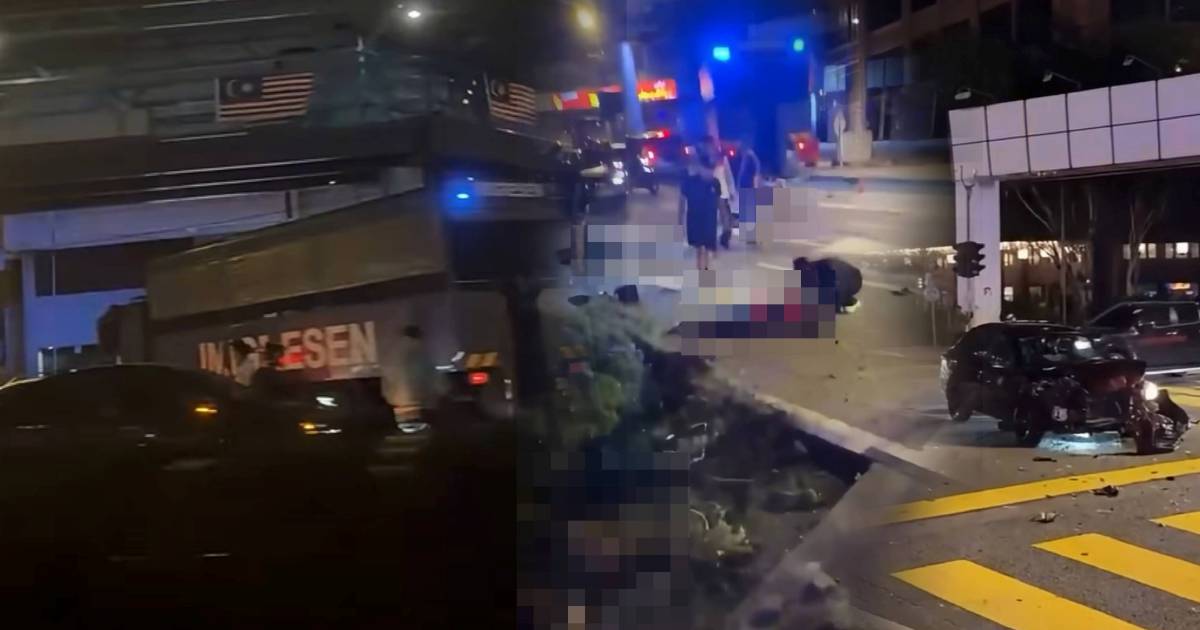
Prime Minister Datuk Seri Anwar Ibrahim has moved swiftly to address a tragic incident in the nation's capital, directing the Immigration Department to undertake a comprehensive investigation into a fatal collision that claimed lives early today. The accident, which occurred on the busy Jalan Sultan Ismail thoroughfare in Kuala Lumpur, involved an Immigration Department vehicle and represents a significant public safety concern requiring urgent clarification and accountability.
The directive from the Prime Minister's office underscores the government's commitment to understanding how such a serious incident occurred within a federal agency responsible for border management and national security operations. The involvement of high-level political oversight signals that authorities are treating this matter with appropriate gravity, particularly given the loss of life and the potential implications for departmental operations and public confidence in institutional safety protocols.
Jalan Sultan Ismail, a major arterial route in central Kuala Lumpur, carries substantial vehicular traffic throughout the day and night. The early morning timing of the incident suggests conditions that may have contributed to the collision, whether related to visibility, traffic volume, or other environmental factors. Understanding the exact circumstances surrounding the crash will be crucial for identifying preventive measures and preventing similar occurrences on Malaysian roadways.
The Immigration Department operates a substantial fleet of vehicles used for enforcement operations, personnel transport, and administrative functions across the nation. Safety standards and maintenance protocols governing such vehicles are critical to protecting both departmental staff and members of the public. An immediate investigation will likely examine whether maintenance records, driver qualifications, and vehicle condition met established standards at the time of the incident.
The timing of Anwar's instruction to commence the probe immediately suggests a recognition that delays in investigation could hamper the collection of evidence and eyewitness accounts. Early action by authorities helps preserve crucial details while witnesses remain available and physical evidence remains undisturbed. This approach reflects international best practices in accident investigation procedures.
Fatalities resulting from vehicle collisions involving government agencies typically trigger comprehensive reviews extending beyond immediate accident causation. Such investigations often examine broader systemic issues, including driver training standards, fatigue management protocols, vehicle maintenance schedules, and fleet safety policies. The outcome of this investigation may yield recommendations affecting safety practices across multiple government departments operating vehicle fleets.
For the Immigration Department specifically, the incident occurs during a period when the agency manages significant operational challenges related to cross-border movements, foreign worker regulations, and national security protocols. A thorough investigation will need to balance the urgency of determining facts while minimizing disruption to critical departmental functions.
The public nature of Anwar's directive reflects a broader government emphasis on transparency and accountability, particularly when incidents result in loss of life. By making the investigation a matter of public record and subjecting it to high-level scrutiny, authorities send a message that institutional accountability extends to all government bodies regardless of their function or operational sensitivity.
Road safety remains a persistent challenge across Malaysia, with the country recording significant numbers of fatalities annually from traffic accidents. When such incidents involve government vehicles, they draw particular attention and scrutiny, serving as flashpoints for broader discussions about institutional responsibility and public safety. The investigation's findings may generate recommendations applicable beyond the Immigration Department.
The Malaysian public and regional observers will likely monitor how thoroughly and transparently authorities handle this investigation. Given the Prime Minister's direct involvement, expectations for a comprehensive and timely conclusion are appropriately elevated. The investigation's scope and methodology will set important precedents for how government institutions handle internal incidents resulting in loss of life.
Families of those involved in the accident, alongside colleagues of affected individuals, will be seeking clarity regarding the circumstances and causes of the collision. A thorough, impartial investigation provides not only factual accountability but also closure and understanding for those directly impacted by the tragedy. The Immigration Department's cooperation and transparency in this process will be essential to maintaining public trust.
As investigations progress, authorities will likely release findings and recommendations that address both immediate causative factors and broader safety improvements. The Immigration Department may implement enhanced safety protocols, additional training requirements for drivers, or fleet management modifications based on investigation conclusions. Such institutional learning from tragic incidents represents a critical mechanism for systemic improvement across Malaysian government operations.

