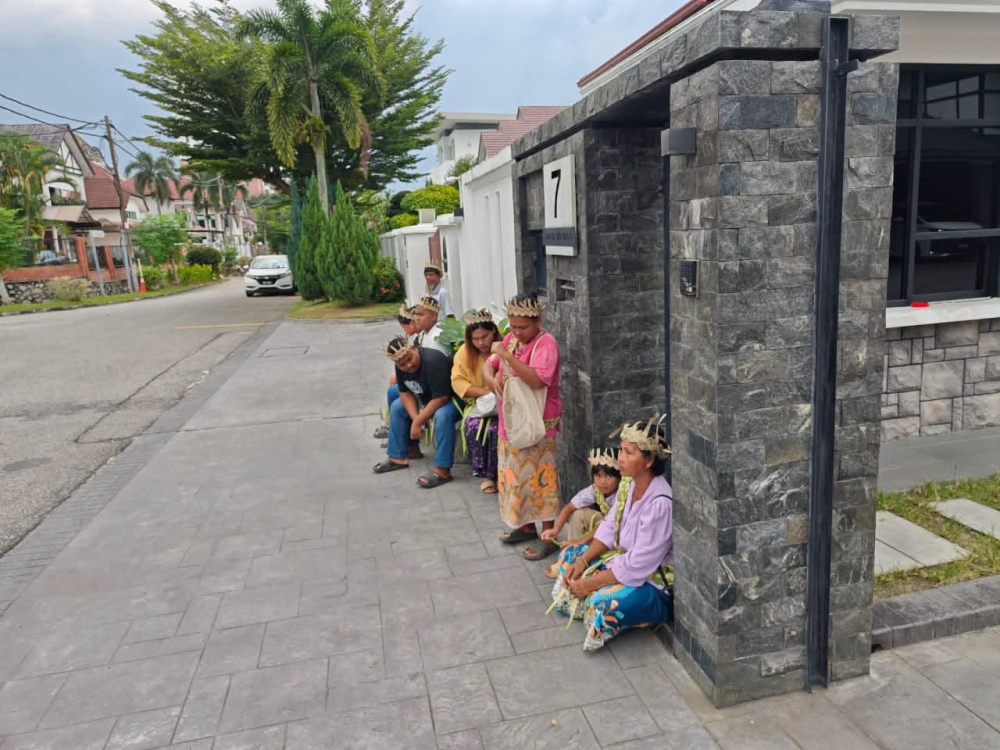
Prime Minister Datuk Seri Anwar Ibrahim has committed to bringing a contentious land dispute affecting Orang Asli communities in Maran to the attention of Pahang's state authorities, following direct consultations with the affected villagers. The pledge comes as the federal government intensifies efforts to address indigenous land rights, a persistent issue across Malaysia that has shadowed relations between minority communities and state administrations for decades.
During his engagement with the Orang Asli representatives in Maran, Anwar heard firsthand accounts of their grievances regarding disputed territory. The Prime Minister's decision to escalate the matter to the state level signals recognition that resolving such disputes requires coordination between federal and state entities, as land administration falls primarily under state jurisdiction. This approach reflects growing acknowledgment within government circles that indigenous land concerns demand high-level political intervention rather than remaining confined to routine bureaucratic channels.
The Maran land dispute represents one of numerous conflicts between Orang Asli communities and state authorities or private interests across Malaysia. These disputes typically stem from competing claims over traditional territories, with indigenous groups asserting ancestral rights while state governments and developers pursue alternative land utilization policies. The Orang Asli, comprising around 180,000 people across multiple ethnic groups, have historically faced marginalisation in land matters despite legal frameworks ostensibly protecting their interests.
Anwar's intervention carries particular significance given his positioning as a reformist leader committed to addressing social inequities. His willingness to engage directly with village communities demonstrates a departing approach from previous governmental handling of such matters, which often relegated indigenous concerns to secondary status. The consultation itself underscores shifting political dynamics in which indigenous rights have gained increased prominence within national discourse.
The escalation to Pahang's state government introduces additional complexity, as state-level authorities must balance multiple competing interests. Pahang, as one of Malaysia's largest states with substantial Orang Asli populations concentrated in various districts, has grappled with persistent land administration challenges. The involvement of state government signals that resolution will require negotiation between federal leadership, state officials, and indigenous representatives—a three-way engagement that has proven contentious in previous similar situations.
Orang Asli land disputes frequently involve overlapping claims, with state governments sometimes issuing titles to third parties on territories where indigenous communities maintain traditional usage rights. Resolving these conflicts typically demands revisiting historical land classifications, establishing clear demarcation lines, and potentially compensating affected parties. The complexity increases when economic interests—such as agricultural development, mining, or infrastructure projects—intersect with indigenous land claims.
Anwar's commitment reflects broader pressure on the federal government to demonstrate tangible progress on indigenous affairs. Civil society organisations and indigenous rights advocates have consistently highlighted the slow pace of land dispute resolution and the inadequacy of existing mechanisms. Political pressure from within coalition partners, particularly those representing constituencies with significant Orang Asli populations, has also mounted demands for accelerated action on such grievances.
The timing of Anwar's engagement and pledge also carries electoral implications. Building goodwill among marginalised communities could strengthen coalition support, particularly as federal leadership navigates complex parliamentary dynamics. However, the genuine resolution of land disputes extends beyond political posturing and requires sustained commitment to potentially contentious negotiations with state governments that may resist federal intervention in matters traditionally considered state prerogatives.
Successful resolution will depend substantially on Pahang's responsiveness to federal pressure and its willingness to prioritise indigenous interests against potentially competing economic or political considerations. Previous instances of federal intervention in state land matters have yielded mixed results, suggesting that political will alone insufficient without robust legislative backing and enforcement mechanisms.
The Prime Minister's undertaking to raise this matter with Pahang authorities represents an initial step rather than a definitive resolution. Implementation will require sustained follow-through, including formal correspondence with state officials, possible establishment of joint working groups, and commitment to establish clear timelines for dispute resolution. The credibility of Anwar's pledge will ultimately depend on whether subsequent actions demonstrate genuine priority allocation to indigenous land grievances.
For the broader Orang Asli community across Malaysia, Anwar's intervention carries symbolic importance while raising expectations that federal leadership will champion indigenous rights more aggressively. This moment could catalyse wider discussions about comprehensive land policy reform affecting Orang Asli throughout the country, potentially establishing precedents for handling similar disputes in other states. Conversely, if the escalation yields minimal concrete progress, it may further entrench indigenous scepticism toward federal promises and deepen trust deficits between marginalised communities and government institutions at all levels.

