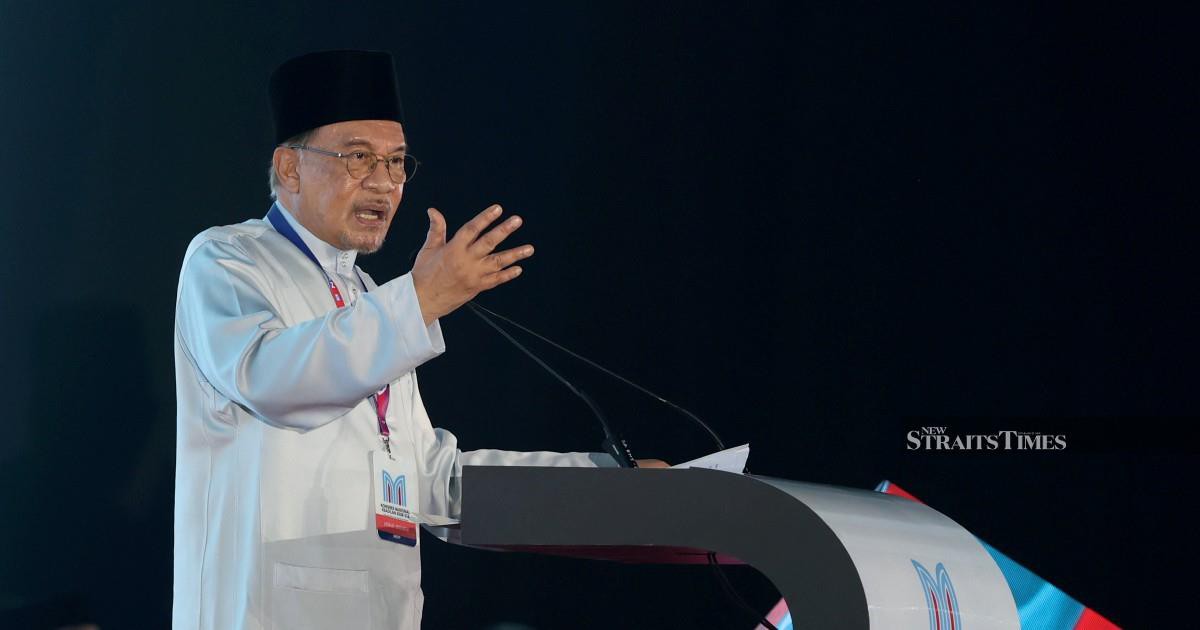
Prime Minister Datuk Seri Anwar Ibrahim confirmed at Ayer Keroh today that the Cabinet will consider the government's bid to repeal the Universities and University Colleges Act 1971 (AUKU) at this Wednesday's meeting. The announcement marks a significant step in efforts to overhaul one of Malaysia's most contentious pieces of legislation governing campus life and student activism.
The AUKU, which has remained largely unchanged since its enactment over five decades ago, has long faced criticism from students, academics, and civil society organisations who argue it unduly restricts fundamental freedoms on university campuses. The legislation grants authorities broad powers to regulate student unions, prohibit political activities, and control student conduct within tertiary institutions. For generations of Malaysian university students, the act has become synonymous with restrictions on free speech and assembly rights that many consider anachronistic in contemporary society.
This move reflects growing pressure on the government to modernise higher education governance and align campus freedoms with contemporary democratic values. Student movements and educational reform advocates have persistently highlighted how AUKU provisions inhibit intellectual discourse and civic participation among young Malaysians at a formative stage in their lives. The constraints have been particularly scrutinised during recent years as awareness of academic freedom norms in comparable nations has increased among Malaysian stakeholders.
The Cabinet tabling represents substantial progress from earlier statements about the reform proposal. Previous administrations had discussed potential amendments or repeals without concrete action, allowing the legislation to persist despite widespread recognition of its limitations. The timing of this formal presentation suggests the current government has prioritised this reform among its broader legislative agenda, though the actual timeline for Cabinet approval and subsequent parliamentary procedures remains uncertain.
Successful abolition would require legislative action in parliament, where the government will need sufficient support to pass a bill formally repealing the act. The process will likely involve detailed debates about alternative regulatory frameworks that universities might adopt, particularly concerning maintenance of campus order and institutional discipline. Parliament will need to clarify what replacement mechanisms, if any, would govern student conduct after AUKU's removal, ensuring campuses maintain appropriate operational standards whilst expanding freedoms.
For Malaysian universities, the potential repeal carries considerable implications. Institutions would gain latitude to craft their own policies regarding student organisations, political engagement, and advocacy activities, potentially aligning governance with practices at international universities. This devolution of authority to individual institutions could foster diversity in campus cultures across Malaysia's higher education system, reflecting different institutional values and community expectations.
The proposed abolition resonates particularly with Southeast Asian universities facing similar pressures to balance institutional autonomy with broader freedoms. Regional peers in countries like Indonesia and Thailand have undergone their own evolutions toward permitting greater student expression and political participation. Malaysia's movement toward AUKU reform positions the nation within broader regional trends toward liberalising campus governance, though substantial differences remain in how individual Southeast Asian nations approach these questions.
Student groups have largely welcomed signals of reform, viewing AUKU's potential removal as essential for developing informed, engaged citizens capable of independent thought. Educational researchers have argued that restrictive campus governance inhibits leadership development and civic education at precisely the stage when young people should be cultivating such capacities. The connections between campus freedoms and broader democratic health have featured prominently in arguments supporting the reform.
University administrators hold more nuanced positions, recognising that expanded freedoms create both opportunities and management challenges. Institutions have expressed concerns about maintaining orderly operations and ensuring campus environments conducive to academic pursuits without excessive disruption. The Cabinet's consideration this week will likely address these balancing concerns alongside the fundamental question of whether AUKU should persist in its current form.
Beyond immediate institutional effects, the AUKU abolition reflects broader conversations within Malaysia about governance modernisation and alignment with international human rights norms. International bodies monitoring freedom of expression and assembly have periodically commented on Malaysian campus restrictions, and their potential removal would strengthen Malaysia's position regarding these international standards. The reform effort thus operates simultaneously at institutional, national, and international levels of significance.
The Wednesday Cabinet meeting will determine whether the government moves forward with formal legislative proposals. Should the Cabinet approve, the next stages would involve preparation of legislation and scheduling parliamentary debate. The trajectory from this week's Cabinet consideration toward actual parliamentary passage remains dependent on numerous procedural and political factors, but Anwar's public commitment to tabling the proposal signals the government's genuine intent to advance this long-delayed reform.
Observers across Malaysian civil society will closely monitor this week's Cabinet proceedings. The decision will indicate government resolve to implement educational governance reforms and respect campus freedoms that many democracies consider fundamental. Whatever the Cabinet's ultimate decision, Wednesday's meeting represents a meaningful moment in Malaysia's ongoing navigation of balancing institutional order with individual and collective freedoms in higher education settings.

