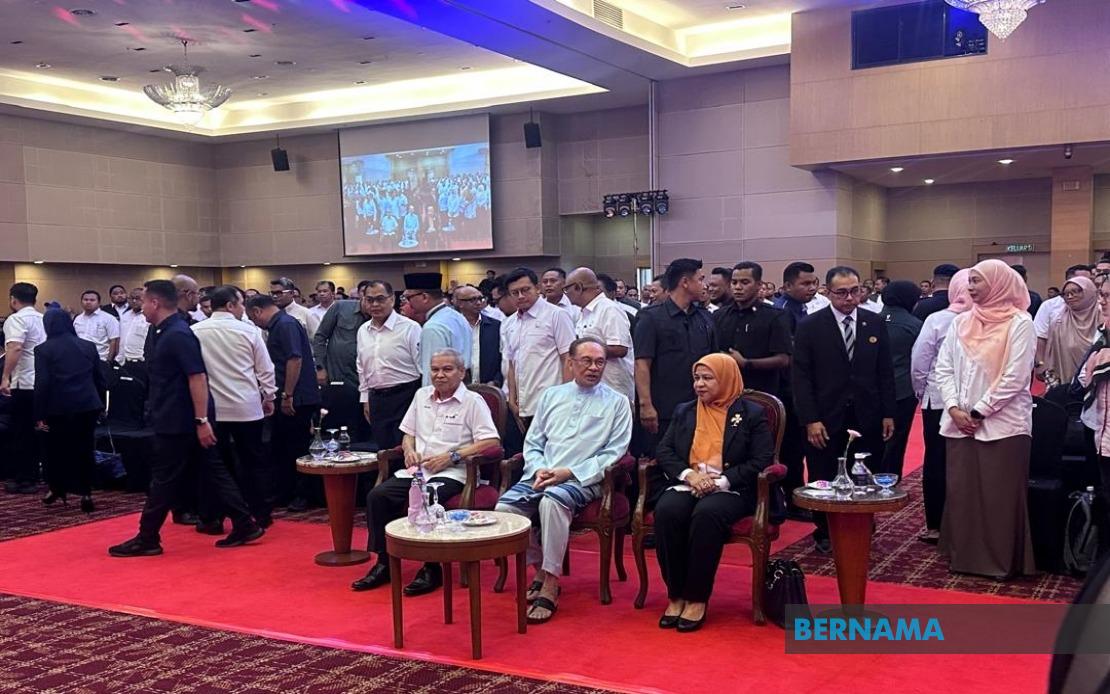
Prime Minister Datuk Seri Anwar Ibrahim is holding back from making any public announcement regarding the Federal Land Development Authority until investigators complete their examination of the authority's operations. Speaking at a management gathering in Bangi on Wednesday, Anwar confirmed that a specially established task force has commenced its probe and expects to deliver conclusions within the coming months.
The investigation represents part of the government's broader effort to examine governance standards within major state institutions. The Special Task Force examining FELDA will scrutinise multiple dimensions of the organisation's functioning, ranging from administrative structures to decision-making processes. While the team will necessarily investigate historical problems and shortcomings, Anwar emphasised that attention must focus primarily on how FELDA is currently being run and what reforms should shape its future direction.
FELDA, which manages millions of hectares of land designated for rural development and agricultural settlement across Malaysia, has faced periodic scrutiny over the years regarding its financial performance and operational transparency. The agency plays a significant role in rural economics and employs tens of thousands of people, making oversight of its management a matter of public interest. The launch of this investigation signals heightened accountability measures under the current administration.
Anwar's decision to wait for comprehensive findings before speaking publicly reflects a cautious approach to institutional reform. By allowing investigators adequate time to complete their work thoroughly, rather than rushing to judgment, the Prime Minister appears intent on ensuring any announcements rest on solid evidence rather than preliminary observations. This approach echoes how previous major inquiries have been handled, suggesting consistency in how the government manages sensitive institutional reviews.
The Prime Minister met with FELDA officials including chairman Tan Sri Ahmad Badri Mohd Zahir and director-general Datuk Dr Suzana Idayu Wati Osman during the Friendly Session at Tenera Hotel. Such face-to-face engagement between the Prime Minister and senior management suggests the government intends to maintain working relationships with FELDA leadership while the investigation proceeds. This balance between scrutiny and collaboration may allow the authority to continue functioning effectively during the review period.
When the findings do emerge, Anwar has committed to releasing them for public consumption, establishing a precedent of transparency. He referenced the Royal Commission of Inquiry report on the Tabung Haji Board as an example of how similar institutional investigations should be made available to citizens. This commitment to public disclosure could encourage broader confidence in the investigative process and help Malaysian voters understand what issues the government has identified and how it plans to address them.
The timeline for completing the task force work remains somewhat fluid, though previous reporting suggested a timeframe of several months. This extended schedule likely reflects the scope of the investigation, which presumably encompasses years of FELDA operations, multiple management regimes, and complex financial arrangements. A thorough examination of such matters cannot be rushed without risking incomplete findings or overlooked issues.
For FELDA settlers and staff, the investigation carries direct relevance. Any findings regarding mismanagement or inefficiency could influence how the authority allocates resources, structures its operations, or manages land distribution schemes that affect thousands of rural households. The results might also shape future policy regarding state-owned enterprises and development authorities more broadly, establishing benchmarks for governance that apply across other similar institutions.
The investigation also occurs within Malaysia's larger conversation about institutional accountability and anti-corruption efforts. Successive governments have committed to strengthening oversight of state agencies, and this FELDA probe represents a concrete expression of that commitment. How thoroughly the task force examines structural problems and how the government subsequently implements reforms could influence public perception of whether institutional change is genuinely occurring or whether inquiries serve primarily as symbolic gestures.
For Malaysian businesses and rural communities dependent on FELDA services, clarity about the authority's future direction matters considerably. Investors need confidence that the agency operates according to sound management principles, while settlers require assurance that resources intended for their benefit are properly deployed. The investigation and subsequent reforms should ideally address concerns on both fronts, reassuring stakeholders that governance improvements are forthcoming.

