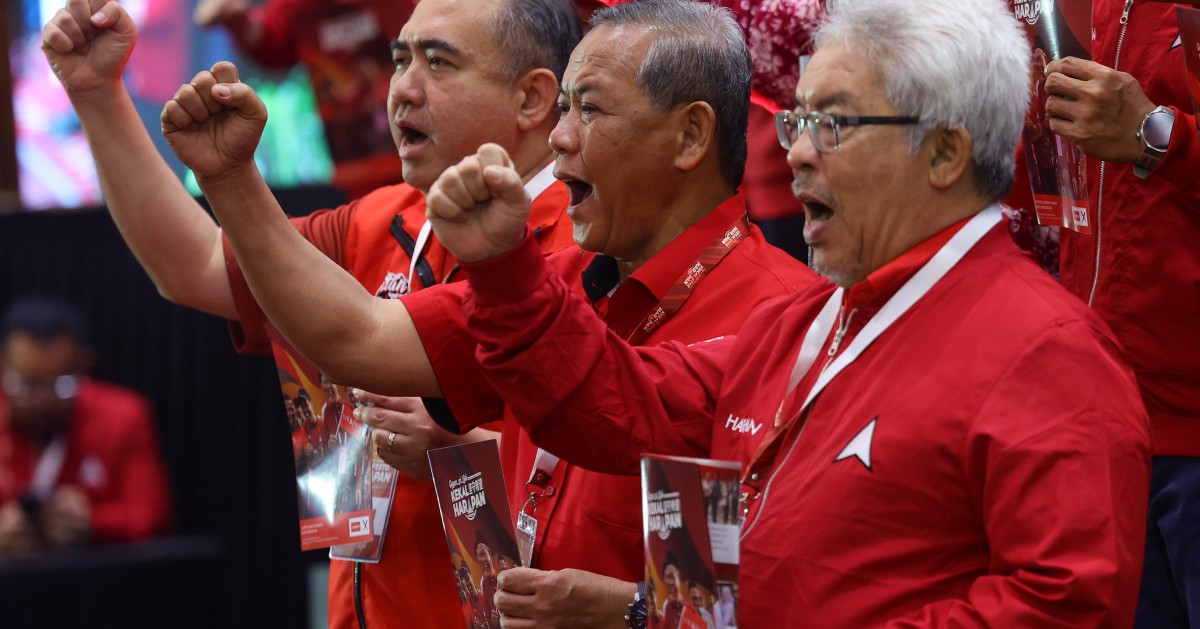
Prime Minister Datuk Seri Anwar Ibrahim is poised to throw his weight behind Pakatan Harapan's election campaign in Negri Sembilan, with the coalition chairman expected to appear at campaign events in the state on Wednesday. The personal involvement of the Prime Minister underscores the strategic importance the federal administration places on securing electoral support in Negri Sembilan, where the coalition seeks to consolidate control during the upcoming state polls.
Anwar's participation in the campaign trail represents a high-profile endorsement of Pakatan Harapan's candidates and platform ahead of voting day. As the head of both the federal government and the coalition, his presence carries considerable symbolic weight, capable of energising party machinery and demonstrating unified leadership across the alliance. The timing of his campaign visit reflects careful planning to maximise public visibility and media coverage during a critical phase of the electoral process.
Negri Sembilan holds particular significance within Malaysia's political landscape. The state has been a traditional stronghold where power balance between competing coalitions remains contested, making it a battleground that neither Pakatan Harapan nor opposition forces can afford to take for granted. Anwar's direct involvement signals that the coalition views this election as consequential for maintaining the political momentum gained during recent national developments.
The Seremban-based campaign activities demonstrate how federal leadership increasingly integrates with state-level political competitions. When sitting Prime Ministers engage directly in regional elections, they bring national-level resources, media attention, and partisan messaging to bear on local contests. This vertical integration of campaign efforts has become standard practice across Malaysian politics, where state outcomes can reshape the national political balance.
Packatan Harapan's coalition structure, comprising multiple parties with distinct bases and agendas, benefits from unified leadership messaging. Anwar's public campaign appearances help coordinate messaging across these constituent parties, presenting voters with a coherent vision rather than fractured interests. His chairmanship of the coalition transcends mere organisational authority—it becomes a powerful campaigning tool that consolidates disparate party elements.
The state election campaign likely addresses both local grievances and national policy directions. Voters in Negri Sembilan care deeply about development priorities, educational opportunities, healthcare accessibility, and economic prospects in their communities. National campaigns, however, increasingly frame local concerns within broader narratives about governance philosophy, economic management, and social policy directions set at the federal level. Anwar's presence reinforces the connection between state government performance and national policy frameworks.
For Malaysian opposition forces, Anwar's direct participation represents a challenge requiring strategic response. Opposition parties must either emphasise local issues where they potentially hold advantages or counter the national narrative presented by the sitting administration. The presence of a popular Prime Minister advocating for a particular coalition places considerable organisational pressure on competing political camps to mount equivalently resourced and visible campaigns.
Negri Sembilan's electoral dynamics reflect broader patterns evident across Southeast Asia, where state and local elections increasingly become referenda on national government performance rather than purely regional contests. Economic conditions, inflation rates, employment situations, and public service quality all influence state-level voting decisions. Voters assess sitting governments based on their management of these tangible issues, regardless of whether responsibility technically rests with state or federal authorities.
The campaign visit from Seremban onwards also provides opportunities for Anwar to engage directly with constituents, understand on-ground concerns, and respond to community priorities. These interactions shape public perceptions of leadership competence and responsiveness. Politicians who maintain regular contact with voters demonstrate accessibility and genuine interest in public welfare, strengthening their personal political capital regardless of electoral outcomes.
Packatan Harapan's campaign strategy evidently emphasises continuity and stability under experienced leadership. By deploying Anwar prominently in the campaign, the coalition reinforces messaging about capable administration and clear direction. This contrasts with potential opposition narratives that might emphasise change or challenge government legitimacy.
The Wednesday campaign event in Negri Sembilan contributes to the broader timeline of Malaysian electoral politics. State elections scheduled throughout 2023 and 2024 offer multiple opportunities for political competition, public engagement, and shifting power equations. Each contest provides feedback about voter sentiment, validates or challenges campaign messages, and shapes momentum leading toward the next general election cycle.
Anwar's campaign participation also reflects confidence in coalition organisational capacity and electoral prospects in the state. When national leaders commit personal time and resources to specific electoral contests, they implicitly signal belief in probable success. Conversely, absence from particular races might suggest lower priority or confidence. The investment of Prime Ministerial time and energy in Negri Sembilan communicates that Pakatan Harapan expects competitive contests and needs all available resources to secure electoral victory.
Looking forward, the state election results will provide crucial indicators about voter sentiment regarding the federal government's management and Pakatan Harapan's broader coalition coherence. Positive outcomes could strengthen the coalition's position heading toward future electoral cycles, while disappointing results might necessitate strategic reassessment and messaging adjustments. The campaign visit from Seremban onwards therefore becomes more than a single event—it represents an investment in political momentum that extends far beyond the immediate state contest.

