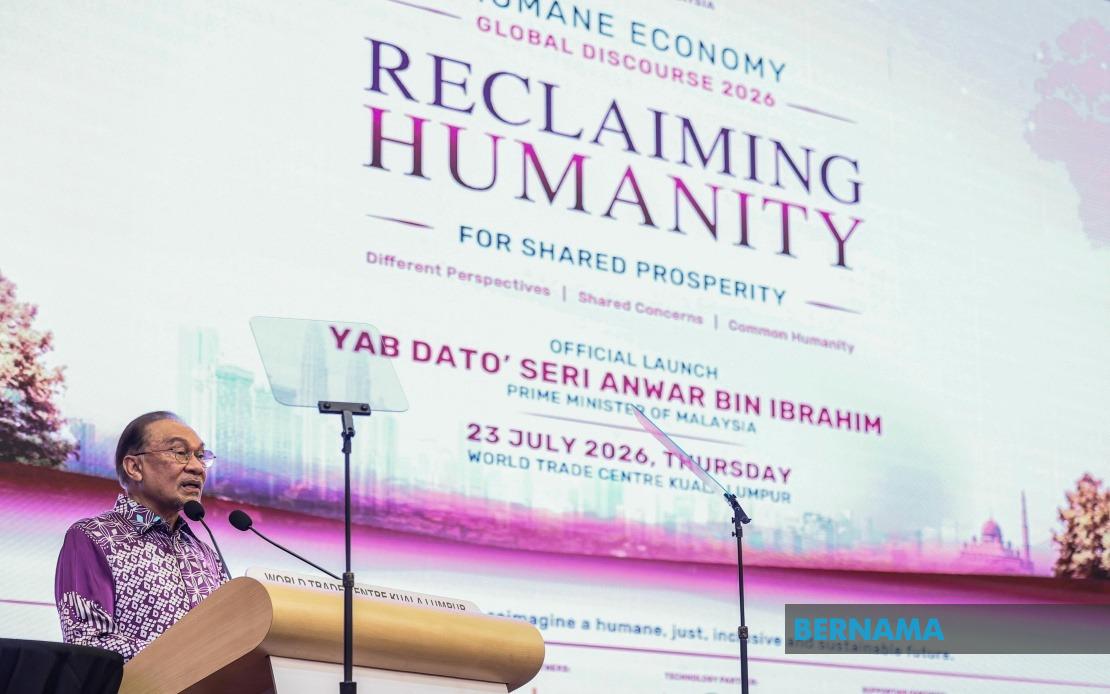
Prime Minister Datuk Seri Anwar Ibrahim signalled the imminent release of the long-awaited final report from the Royal Commission of Inquiry into Tabung Haji, Malaysia's pilgrimage savings institution that has faced significant financial challenges in recent years. Speaking to reporters at the Humane Economy Global Discourse 2026 launch in Kuala Lumpur on July 23, Anwar indicated he would move swiftly to make the findings public, subject only to clarification on procedural requirements with the government's top civil servant.
The timing of the announcement carries particular significance given Tabung Haji's troubled history and the sustained public concern surrounding its operational recovery. The institution, which manages savings for Malaysian Muslims preparing for the hajj pilgrimage, encountered severe financial difficulties that prompted the government to commission the inquiry to investigate governance failures and operational lapses. The RCI's conclusions are expected to shed light on how the fund's management deteriorated and what systemic reforms are necessary to restore public confidence.
Anwar's conditional approach to release reflects his administration's commitment to both transparency and proper governance procedures. He stated he would consult Chief Secretary to the Government Tan Sri Shamsul Azri Abu Bakar to determine whether Cabinet approval is required before the report enters the public domain. Should Cabinet referral prove unnecessary, the Prime Minister indicated his willingness to publish the findings immediately, rather than delay unnecessarily. If formal Cabinet consideration is needed, he committed to releasing the report by Wednesday of that week, emphasizing that accountability demanded swift action.
The Prime Minister's framing of the decision as a matter of public right represents a significant stance on government transparency. Anwar explicitly acknowledged that Malaysian citizens deserve access to the inquiry's findings, positioning the RCI report release as an essential component of democratic accountability. This rhetorical positioning suggests the government views public disclosure as integral to restoring institutional trust, particularly for an organization managing the savings of millions of Malaysian Muslims for one of Islam's five pillars.
Tabung Haji's recovery trajectory has become a crucial barometer of government competence in institutional rehabilitation. The fund had accumulated substantial losses before intervention measures were implemented, and subsequent management changes have gradually stabilized its financial position. The RCI report's findings will likely illuminate the scale of previous mismanagement and provide benchmarks against which stakeholders can evaluate the effectiveness of remedial actions undertaken by current leadership. For investors and depositors, the report promises clarity about what went wrong and whether systemic safeguards have been adequately strengthened.
The government's readiness to release the report demonstrates confidence that Tabung Haji's recovery has reached a sufficient stage to withstand public scrutiny of past failures. Publishing the findings while the institution demonstrates tangible improvement, rather than during periods of acute crisis, allows the narrative to incorporate both accountability for past errors and evidence of institutional transformation. This strategic timing reflects a sophisticated understanding that managing institutional reputation requires coupling transparency with demonstration of remedial capacity.
For Southeast Asia's Islamic finance sector more broadly, the RCI findings carry implications extending beyond Malaysia's borders. Tabung Haji's experience and subsequent recovery offer lessons in institutional governance for similar pilgrimage-focused savings programs operating across the Muslim-majority region. The public inquiry process itself represents a model of investigating financial mismanagement within Islamic institutions, setting standards for governance assessment and public accountability that other governments might reference when addressing similar institutional failures.
The announcement also signals the Anwar administration's broader approach to institutional reform and anti-corruption efforts. By committing to transparent disclosure of the RCI's findings, the government reinforces its positioning as distinct from predecessors on matters of institutional accountability. This stance carries particular weight given Malaysia's ongoing engagement with international frameworks on corruption and governance, where transparency in investigating institutional failures remains a key metric of credibility.
Public reception of the RCI report will likely influence broader perceptions of government effectiveness in managing state institutions. Religious organizations and pilgrimage-related bodies occupy unique positions within Malaysian society, combining spiritual significance with material financial stakes for millions of families. The government's handling of the Tabung Haji inquiry and its willingness to publicly confront institutional failure could consequently affect public confidence in other government-linked entities beyond the pilgrimage sector.
Anwar's emphasis on timing and procedural clarity also reflects broader shifts in Malaysian political communication around transparency. By specifying the exact conditions and timeframes for report release, rather than offering vague assurances, the Prime Minister established measurable commitments to public disclosure. This granular approach to transparency commitments distinguishes between genuine institutional openness and performative accountability, creating clear standards against which the government's actual behavior can be evaluated by media, civil society, and the public.

