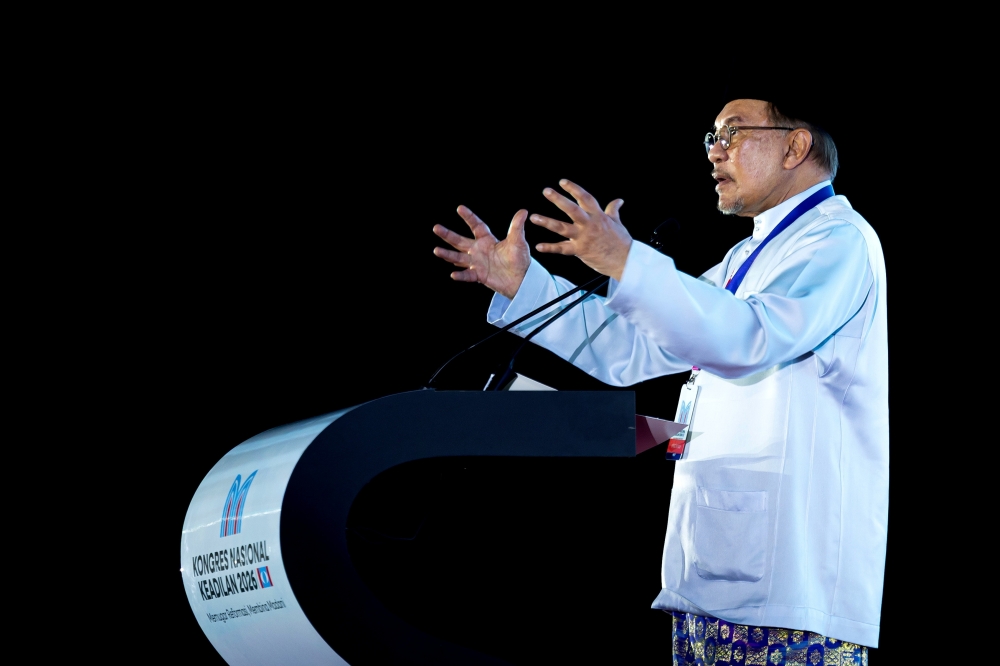
Prime Minister Datuk Seri Anwar Ibrahim has indicated that a series of consequential policy adjustments will be implemented before the presentation of Budget 2027, marking another phase of his administration's reform agenda. Speaking in Melaka on August 15, Anwar outlined plans to roll out the initial set of announcements starting Monday, suggesting the government is moving to address several matters it has identified as requiring immediate attention. The timing of these announcements indicates the Cabinet's desire to establish a clear policy framework well before the budget cycle, allowing stakeholders sufficient notice to prepare for the anticipated changes.
The Prime Minister's decision to telegraph these reforms demonstrates the administration's communications strategy of building public and parliamentary anticipation for significant policy decisions. By spacing announcements across multiple days rather than releasing them simultaneously, the government appears intent on controlling the news cycle and ensuring each initiative receives adequate scrutiny and media coverage. This measured approach contrasts with sudden policy launches that can trigger market volatility or public backlash from insufficient preparation time. For the business community and civil society in Malaysia, advance notice of government intentions typically allows for constructive dialogue before implementation begins.
The reference to changes being described as "urgent" carries particular weight in the Malaysian political context, where the government has consistently emphasised addressing cost-of-living pressures, economic competitiveness, and structural fiscal challenges. Observers have anticipated that Budget 2027 would need to tackle longstanding issues around subsidies, tax reform, and public sector efficiency—all areas where Anwar's administration has signalled willingness to make difficult decisions. The government's willingness to outline reforms before rather than during the budget presentation suggests confidence in the direction of policy, though it also invites early opposition and debate from stakeholders who may be disadvantaged by proposed changes.
For Malaysian readers and investors tracking the government's economic direction, these announcements carry implications that extend well beyond immediate budgetary mechanics. The policy shifts being prepared will likely influence everything from household budgets to corporate investment decisions and foreign confidence in Malaysia's economic management. The region watches closely as Malaysia continues to position itself as a stable Southeast Asian economy, and government policy coherence and predictability rank highly among factors international investors assess when considering capital allocation decisions across ASEAN nations.
Anwar's leadership has been characterised by an emphasis on technocratic governance and data-driven policymaking, even when those approaches require difficult political choices. The careful sequencing of announcements suggests the Cabinet has completed its deliberations and believes the policy package it intends to present will withstand scrutiny. This differs markedly from governing styles that rely on ad-hoc interventions or crisis-driven responses, which have historically created uncertainty in Malaysian financial markets and business confidence indicators.
The Monday announcement deadline referenced by Anwar creates a focal point for Malaysian media, opposition politicians, and interested observers to evaluate the scope and substance of the government's intended reforms. Early disclosure allows the government to shape the narrative around its decisions before critics can characterise them negatively, though this advantage extends equally to organised interest groups that may mobilise opposition campaigns. The transparency implicit in announcing changes well in advance reflects international best practice in fiscal governance, though it also provides time for opponents to mobilise resistance.
Budget 2027 itself will be presented against a backdrop of regional economic trends and global uncertainties that shape Malaysia's fiscal position. Growth forecasts, commodity price assumptions, and currency stability all feed into budget mathematics, and the policy changes Anwar's administration is preparing should ideally create fiscal space or improve economic efficiency regardless of external conditions. For Malaysia's credit rating agencies and international observers, the coherence between mid-term policy announcements and actual budget outcomes becomes a measure of government credibility and planning rigour.
The fact that announcements will roll out over several days rather than all at once also suggests the government may be prioritising certain changes as more immediately pressing than others. This sequencing allows the administration to calibrate public reaction, adjust communications messaging based on early responses, and potentially build momentum toward larger fiscal announcements. In the Malaysian context, where opposition politics remains vigorous and media plurality ensures multiple perspectives receive airtime, this phased approach grants the government somewhat greater control over debate framing than wholesale announcement would permit.
Looking ahead toward Budget 2027, the reforms Anwar's administration prepares will likely reflect its stated commitment to modernising Malaysia's economy while protecting vulnerable populations from unintended consequences of policy change. The government has consistently maintained that difficult fiscal measures must be accompanied by targeted assistance programs, safety nets for affected groups, and clear communication about medium-term benefits. How successfully the coming announcements communicate this balance between reform necessity and social protection will substantially influence public reception and ultimately legislative passage of the budget itself.
For Malaysian stakeholders—whether businesses planning expansion, workers assessing job security, or investors evaluating asset allocation—the coming days will provide critical information about the policy direction the government intends to pursue through 2027 and beyond. The Prime Minister's signal that changes are forthcoming creates both opportunity and uncertainty; opportunity for those positioned to benefit from reforms, uncertainty for those who may face adjustment costs or reduced benefits. As Monday approaches and the first announcements materialise, the contours of the government's intended reform agenda will become clearer, allowing Malaysian society to evaluate and respond to the vision being articulated from the highest levels of leadership.

