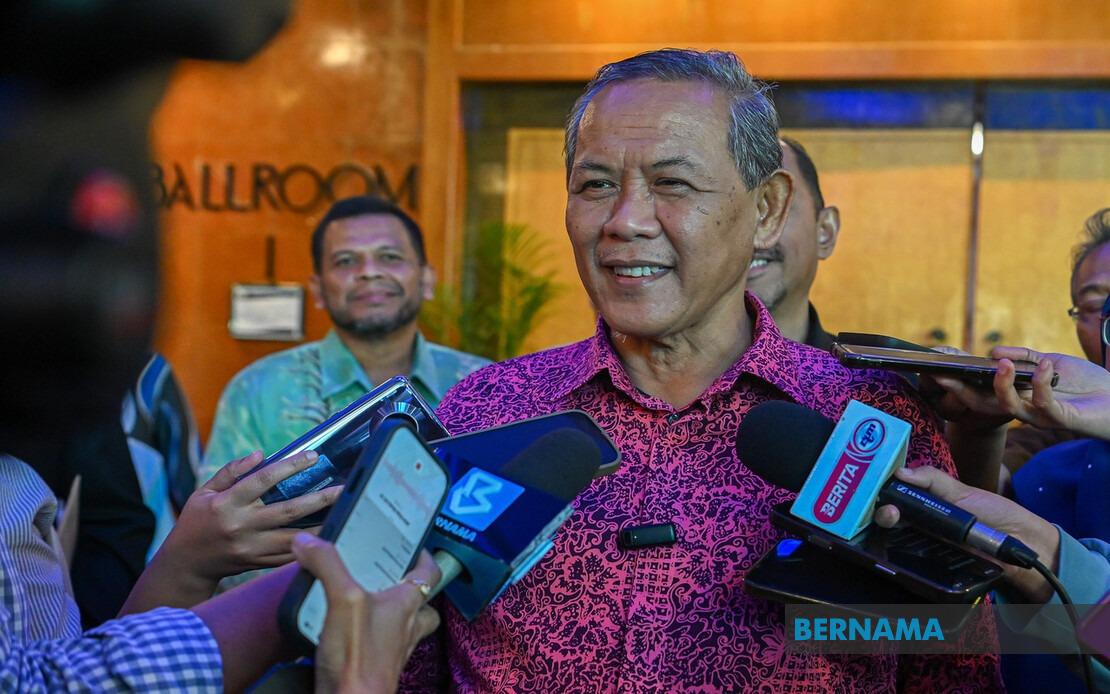
Prime Minister Datuk Seri Anwar Ibrahim will publicly unveil Pakatan Harapan's complete roster of candidates for the forthcoming Negeri Sembilan state election at a ceremony scheduled for Tuesday, July 14, at Dataran Melang in Kuala Pilah. The announcement marks a critical juncture in the coalition's electoral preparations, with the PKR president personally heading the event to signal the importance the party attaches to the state contest. Negeri Sembilan PKR chairman Datuk Seri Aminuddin Harun, who also serves as the state's Menteri Besar, confirmed that the coalition has completed its internal deliberations and finalised all candidacies ahead of the formal reveal.
The timing of the announcement comes as the state edges closer to its electoral date, with the Election Commission having set August 1 as polling day. The formal campaign period will be bookended by nomination day on July 18 and early voting on July 28, giving candidates roughly two weeks to mobilise their grassroots machinery once names become public. This compressed campaign window underscores the urgency for all parties to move swiftly from internal party politics to street-level voter engagement. For Pakatan Harapan, the early disclosure of candidates provides a strategic advantage in allowing party machinery to coordinate messaging and resource allocation across the state simultaneously.
Aminuddin declined to comment on persistent speculation regarding his own electoral intentions, particularly rumours that he might contest the Linggi state seat rather than remain focused on his current role. His measured refusal to engage with such questions reflects standard practice during the sensitive pre-announcement period, when premature confirmation of any candidate's status could provoke internal party tensions or public controversy. The Menteri Besar's insistence that the public await the official July 14 reveal underscores the coalition's commitment to controlling the narrative and presenting a unified front to voters. His position as both state leader and key PKR figure makes his candidacy decision potentially consequential for the party's internal dynamics and electoral strategy in Negeri Sembilan.
The coalition's seat allocation has already been established following negotiations among its three component parties. Pakatan Harapan will contest all 36 state seats, with PKR fielding 16 candidates, the Democratic Action Party (DAP) standing 11 contenders, and Amanah presenting nine aspirants. This distribution reflects a carefully calibrated arrangement designed to balance the electoral contributions and political weight of each partner while maximising the coalition's chances of retaining control of the state assembly. The allocation was confirmed in mid-June, giving party branches adequate preparation time to brief their respective candidates on campaign themes and resource availability.
Negeri Sembilan holds particular significance within Malaysia's broader electoral landscape. As a historically competitive state with a mixed urban-rural demographic, performance here often signals broader trends in voter sentiment and coalition strength. Pakatan Harapan's retention of the state government in recent elections has depended on strong coordination between PKR's organisational machinery and DAP's support base in urban and semi-urban constituencies. Any erosion of voter confidence in either party would be immediately visible in state-level results, making Negeri Sembilan effectively a bellwether for national coalition fortunes.
Aminuddin's comments emphasising the need for all candidates to focus intensively on campaign efforts reflect the coalition's understanding that maintaining its state government requires energetic ground operations. He made these remarks while presenting Special Grants totalling RM342,000 to 342 Rukun Tetangga units across Negeri Sembilan, a grassroots outreach activity that simultaneously served public relations purposes. Such initiatives underscore how the coalition is attempting to maintain state government visibility and positive messaging in the period before formal campaign season begins. The distribution of grants to neighbourhood watch organisations connects the coalition's development narrative directly to community-level structures that influence local voting patterns.
The formal announcement ceremony itself carries symbolic weight beyond the mere disclosure of names. By having Anwar Ibrahim personally lead the proceedings at Dataran Melang, the coalition is reinforcing his presidential authority within the party structure and his continued commitment to state-level politics despite his Prime Ministerial responsibilities. His physical presence at the event, rather than delegating the announcement to a subordinate, sends a message to party members about the election's importance and to voters about the coalition's confidence. The choice of venue in Kuala Pilah, a district with its own political significance, likely reflects calculations about which geographic constituencies require particular attention or where leadership visibility would be most impactful.
For Malaysian political observers, the announcement will provide initial insights into how the coalition has balanced competing ambitions within its ranks. Any unexpected exclusions or dramatic promotions among candidates could signal shifts in internal party dynamics or strategic reassessments regarding which constituencies represent genuine opportunities for coalition expansion. The candidate slate will also reveal whether any significant defections or returns have occurred since the previous state election, as party membership and loyalty patterns shape competitive viability in closely-contested constituencies. Political analysts will scrutinise the distribution of experienced legislators against first-time candidates as an indicator of the coalition's confidence in retaining or gaining specific seats.
The broader context of state elections during Malaysia's current political cycle cannot be overlooked. Negeri Sembilan's August contest occurs against a backdrop of national political consolidation under the current government and evolving dynamics within both Pakatan Harapan and the broader opposition. State governments controlled by Pakatan Harapan serve as important proving grounds for the coalition's policy agenda and governance competence. Strong performances in state-level contests provide political capital for the federal government and demonstrate to voters that coalition rule delivers tangible development benefits at all levels.
For voters in Negeri Sembilan, the announcement represents the formal commencement of electoral choice. Beyond the candidate names themselves, the subsequent campaign period will determine whether the coalition can successfully argue that its record in office warrants continued popular support. The state's economic performance, infrastructure development, and administrative stability under PKR-led governance over recent years will form the substantive basis for campaign messaging. Opposition parties will simultaneously need to articulate a compelling alternative vision and demonstrate organisational capacity to present a coherent challenge to the incumbent coalition.
Aminuddin's management of his dual roles as Menteri Besar and PKR state chairman positions him as a central figure in the coalition's campaign machinery. His ability to coordinate party activities across multiple constituencies while maintaining effective state administration during the election period will directly influence the campaign's operational success. The Menteri Besar's own electoral decision, whenever it is finally announced, will also provide signals about where party leadership assesses the most strategically vital contests and which constituencies require the highest-level political intervention. His candidacy choice will communicate implicit judgements about which seats are genuinely competitive and which are considered relatively secure.
The July 14 announcement ceremony thus represents far more than a procedural formality. It marks the point at which Pakatan Harapan's internal deliberations conclude and the coalition's electoral case becomes publicly visible. The candidate slate embodies specific strategic choices about party resources, leadership positioning, and electoral priorities. As the campaign unfolds across the subsequent weeks, this initial announcement will be scrutinised for signals about coalition confidence, internal harmony, and genuine competitive assessments of the state's political terrain. The successful or unsuccessful implementation of this slate's campaign promises will ultimately determine whether Negeri Sembilan remains within the coalition's control.

